In short
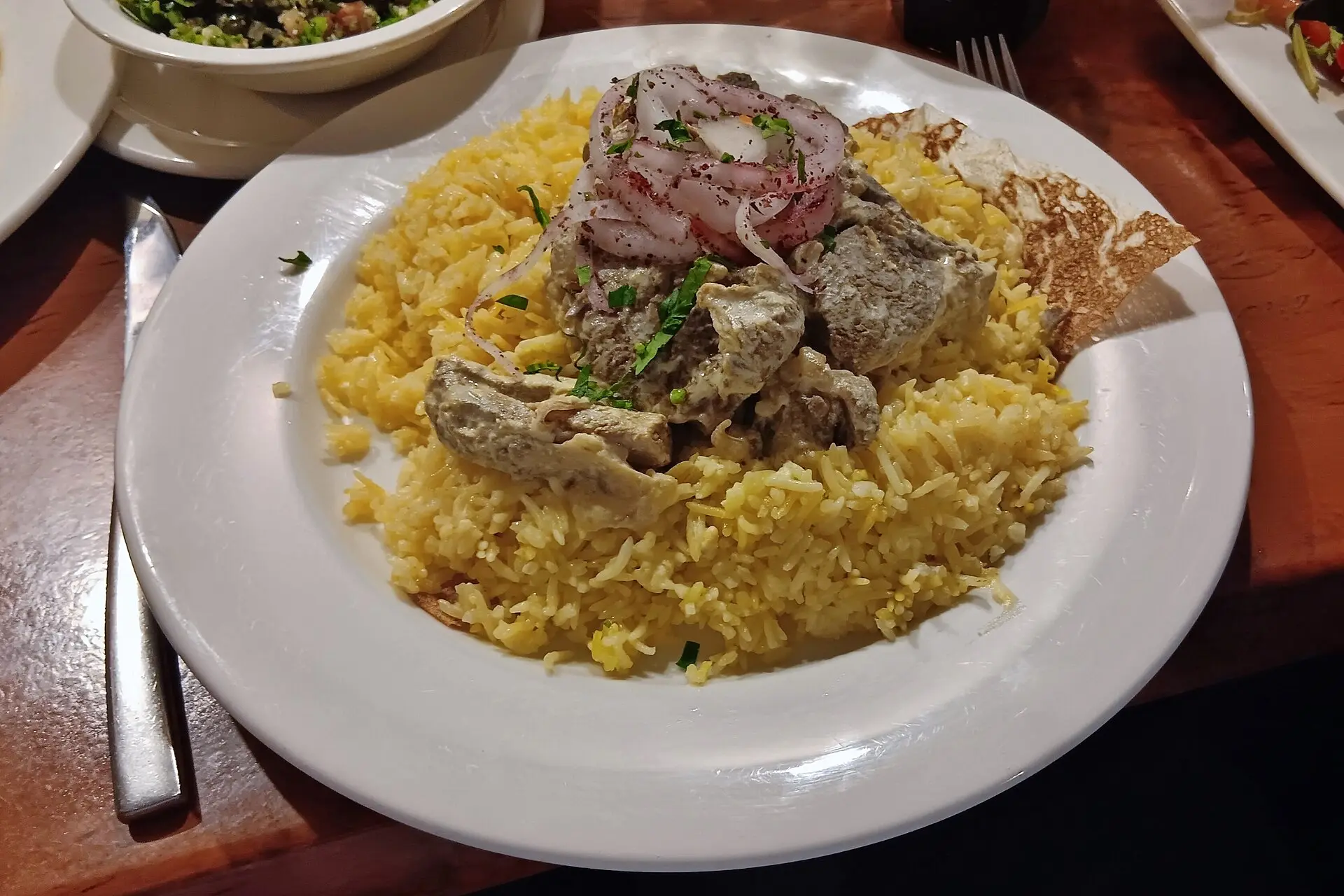
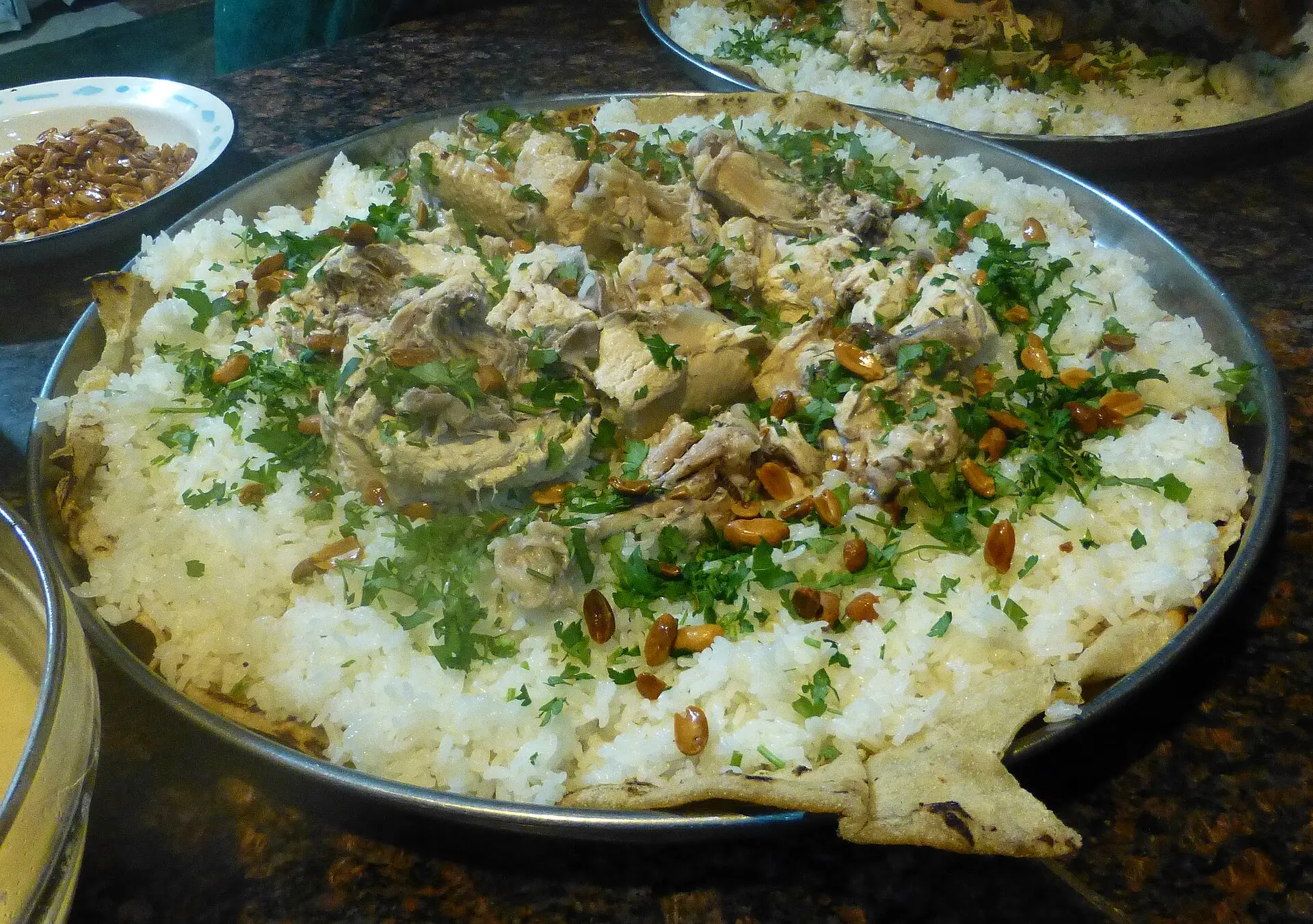
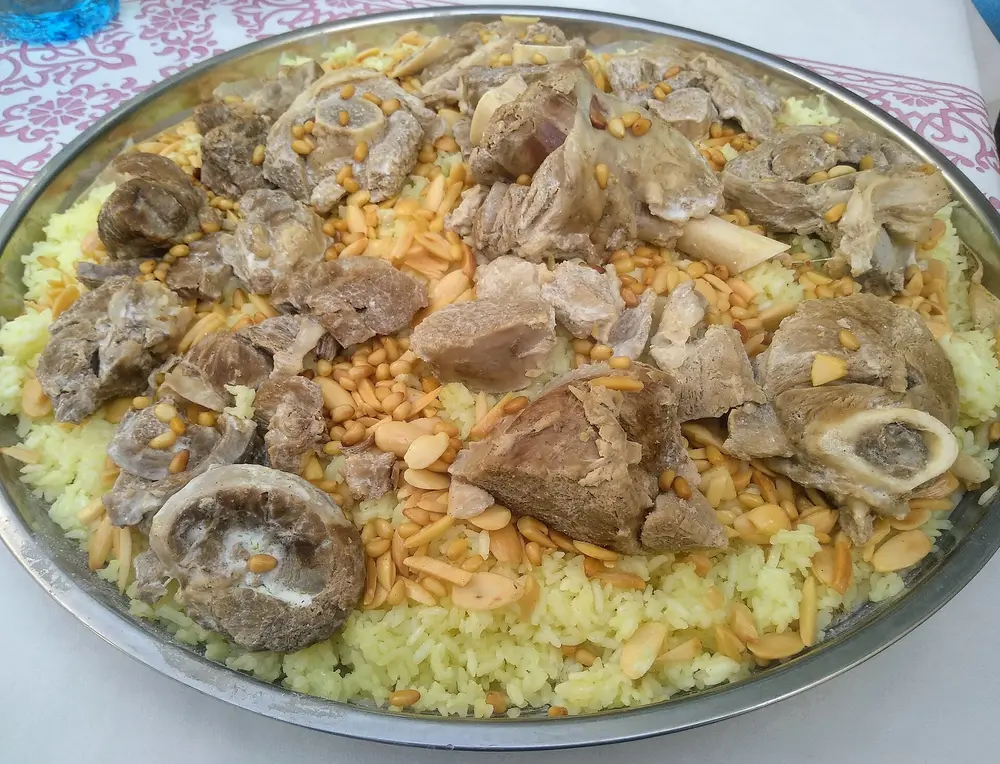
- Mansaf — lamb cooked in fermented dried yogurt (jameed) on rice and thin bread — is Jordan's national dish.
- Breakfast is falafel, hummus, foul and fresh bread; dessert is knafeh.
- In Wadi Rum, try zarb, meat and vegetables cooked in an underground oven.
- Vegetarians eat well thanks to mezze; alcohol is available in hotels and restaurants.
Mansaf, the national dish
Mansaf is the dish of celebrations — weddings, Eid, the arrival of an important guest. Lamb is slow-cooked in a sauce made from jameed, hard dried yogurt from Karak and the Bedouin south, then served on a large tray over rice and shrak flatbread, scattered with almonds and pine nuts, with extra sauce poured on top. Traditionally it is eaten standing, with the right hand, rolling rice into balls. Restaurants serve it with spoons too.
Dishes to try
| Dish | What it is | Where |
|---|---|---|
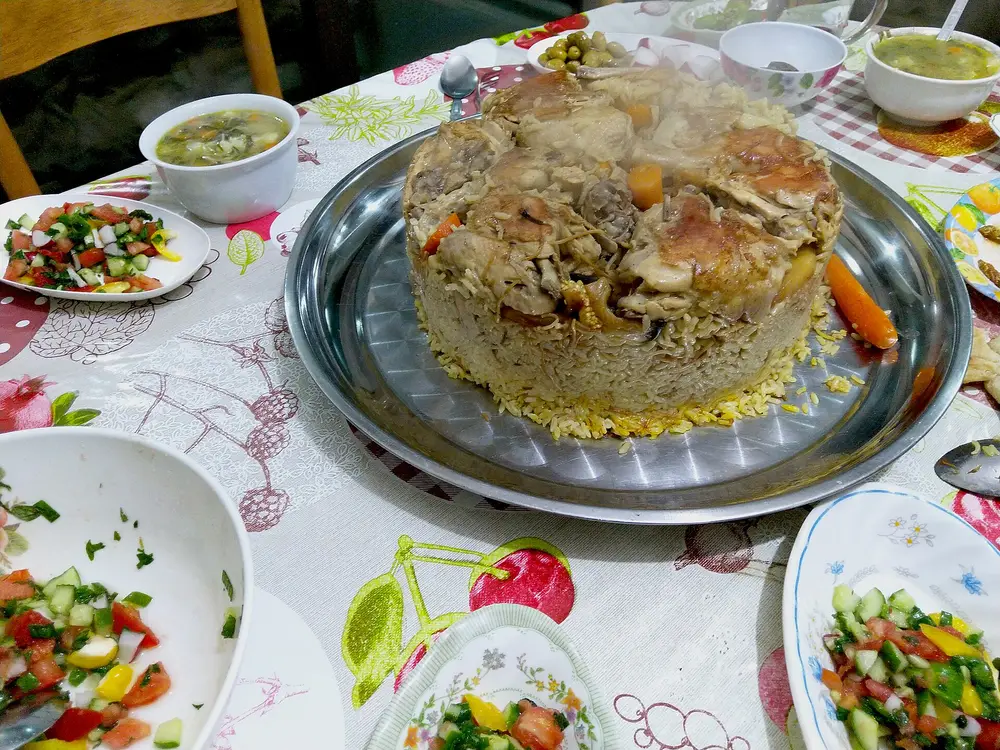
| Maqluba | 'Upside-down' pot of rice, chicken or lamb and fried vegetables | Family restaurants, cooking classes |
| Zarb | Meat and vegetables cooked in a buried oven | Wadi Rum camps |
| Musakhan | Roast chicken on taboon bread with sumac and onions | Amman, northern villages |
| Sayadieh | Spiced fish with rice and onions | Aqaba |
| Mezze | Hummus, moutabal, tabbouleh, fattoush, labneh, warak enab | Everywhere |
| Falafel & foul | Chickpea fritters; stewed fava beans | Downtown Amman breakfast |
| Shawarma | Spit-roasted chicken or lamb wraps | Street food everywhere |
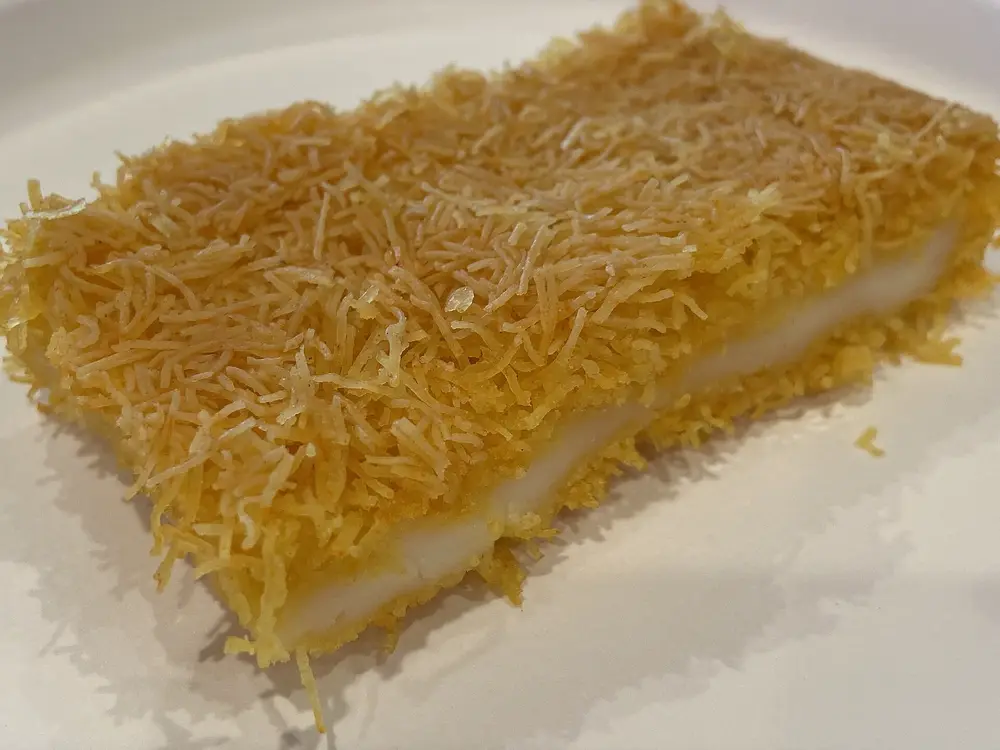
| Knafeh | Hot cheese pastry soaked in syrup | Sweet shops (e.g. Habibah, Amman) |
| Qatayef | Stuffed pancakes | Ramadan evenings |
Coffee and tea
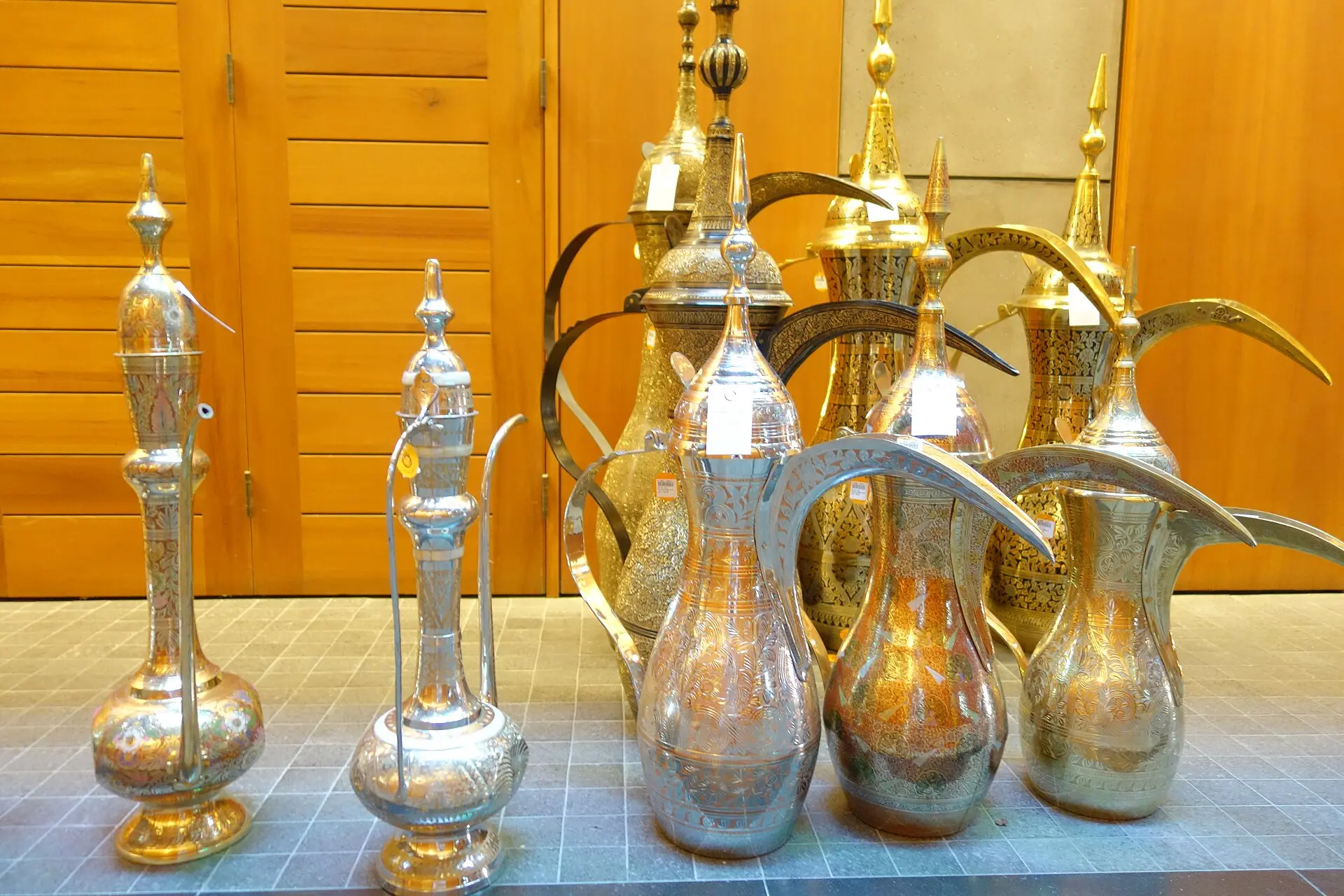
Bitter Arabic coffee (qahwa sada), flavoured with cardamom and poured in small sips from a dallah, is a ritual of welcome: accept with the right hand and gently shake the cup when you have had enough. Turkish-style coffee is common in cafés. Sweet black tea with sage (maramiya) or mint is drunk all day — in Wadi Rum it comes with every stop.
Alcohol and wine
Alcohol is legal and available in hotels, bars and restaurants in Amman, Madaba, Aqaba and tourist areas, and at licensed shops. Jordan produces wine from vineyards near Madaba and in the north (labels such as Saint George and Jordan River), and craft beer from Carakale in Fuheis. Drinking in public streets is illegal. During Ramadan, alcohol sales are restricted.
Where to eat
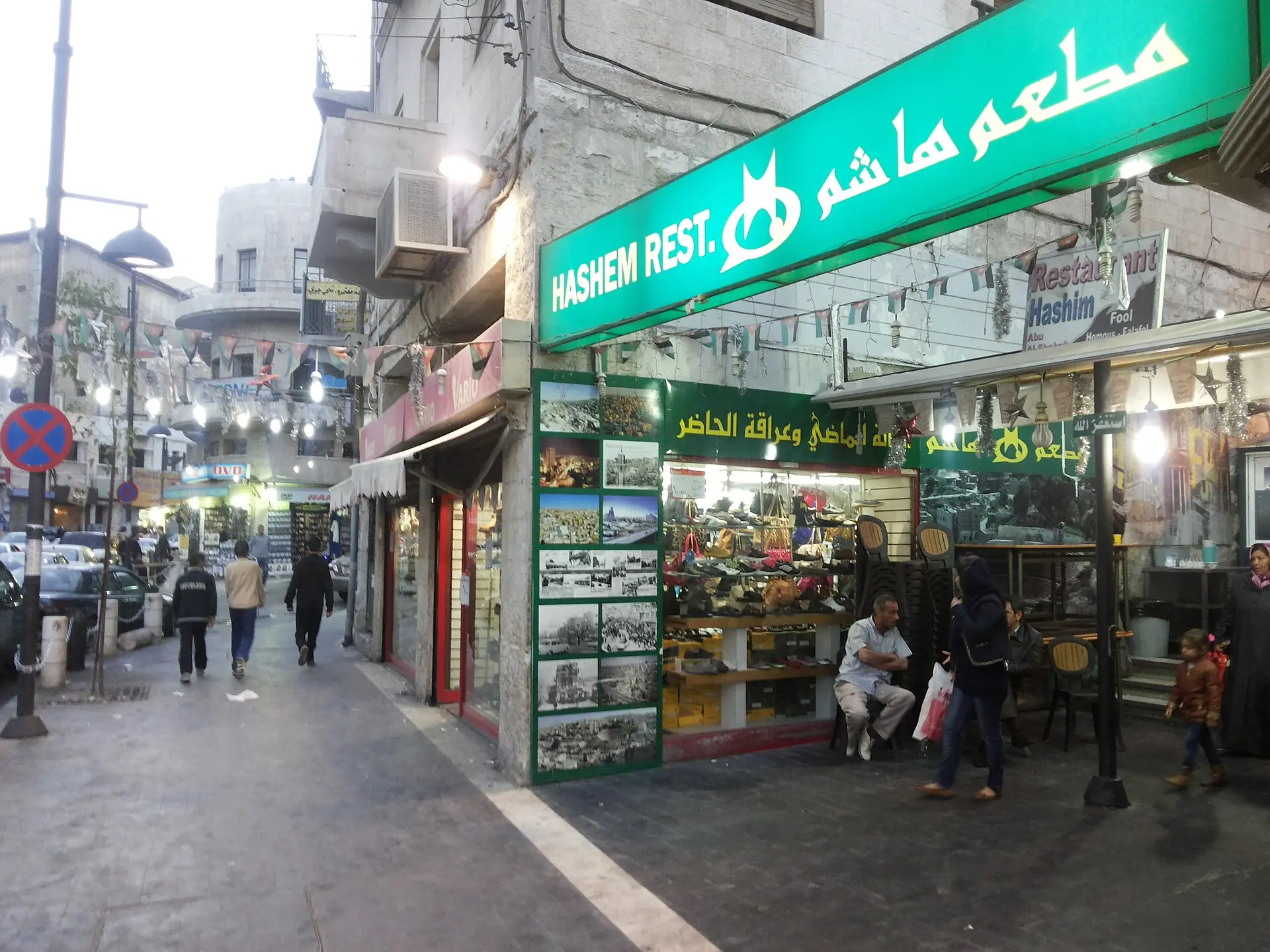
- Amman: downtown institutions such as Hashem (falafel, hummus) and Habibah (knafeh); traditional restaurants for mansaf; modern Levantine cooking on Rainbow Street, in Weibdeh and Abdoun.
- Madaba: family-run restaurants near St George's Church, some in restored old houses.
- Petra: buffet dinners in Wadi Musa hotels; Petra Kitchen cooking class.
- Wadi Rum: zarb dinners in camps.
- Aqaba: seafood restaurants near the centre.
A day of eating in Jordan
Breakfast is often the best meal for travellers: hot falafel, hummus with olive oil, foul with lemon and chilli, labneh, olives, tomatoes, cucumbers and stacks of warm bread, all for a few dinars at a downtown restaurant. Lunch is the main family meal — rice dishes such as maqluba or mansaf on Fridays. Dinner is lighter in homes but restaurants serve mezze and grills late into the evening, especially in summer and Ramadan.
Street food is excellent and safe at busy stalls: shawarma, falafel sandwiches, manakish (flatbread with za'atar or cheese), roasted corn and sweets. Juice stands squeeze fresh orange, lemon-mint and carrot juice.
Sweets and pastries
Jordanians have a sweet tooth. Knafeh — shredded or semolina pastry with melted white cheese, soaked in syrup — is eaten hot. Baklava and other filo pastries, ma'amoul (date or nut-filled biscuits, especially at Eid), harissa (semolina cake) and halva are everywhere. In Ramadan, look for qatayef, small pancakes stuffed with cheese or nuts.
Vegetarian, vegan and dietary needs
Vegetarians eat very well on mezze, falafel, lentil soup, foul, stuffed vine leaves and vegetable stews; ask whether stews use meat stock. Vegans should check for butter (samneh) and yogurt. Halal food is the norm; pork is rare and served only in a few international restaurants. Gluten-free travellers will find rice dishes and grills easy, bread harder.
Regional specialities
Jordanian food changes as you travel. In Amman, the street-food capital, the day starts with falafel, hummus and foul from downtown institutions and ends with shawarma and knafeh; the city also has the country's best modern restaurants. In the north, around Ajloun, Jerash and Irbid, olive oil, fresh bread and seasonal fruit dominate, and musakhan — roast chicken with sumac and onions on taboon bread — is a favourite. Karak is famous for its jameed, the dried yogurt that gives mansaf its sauce. In Wadi Rum, camps cook zarb, meat and vegetables slow-roasted in a pit under the sand. On the coast, Aqaba serves sayadieh, spiced fish with rice and caramelised onions, and grilled fish sold by weight.
Across the country, a meal begins with mezze: hummus, mutabbal (smoky aubergine), tabbouleh, fattoush, labneh with olive oil, pickles and warm bread. Jordanians eat late in summer and during Ramadan, and meals are shared from common plates.
Cooking classes and food experiences
Cooking classes are one of the best ways to understand Jordanian food. In Wadi Musa, Petra Kitchen runs evening classes where you cook mezze, soup and a main course alongside local cooks and then eat together; the Jordan Tourism Board lists it among Petra's activities. In Amman, Beit Sitti offers home-style classes in Jabal al-Weibdeh, and guided food walks downtown take you from falafel counters to spice shops and sweet makers. In Wadi Rum, ask your camp if you can watch the zarb being prepared and unearthed. At Feynan Ecolodge, Bedouin hosts show guests how they bake bread on the fire.
Costs and practical tips
- A falafel sandwich or a plate of hummus with bread costs very little in a local restaurant; a mid-range dinner with mezze and grills costs considerably more, and hotel restaurants more again — see our money and costs table for typical prices.
- Upmarket restaurants often add a service charge and sales tax; check the bill.
- Tap water is treated, but most visitors drink bottled or filtered water; refill where hotels offer it.
- Ask for 'bala sukkar' (without sugar) or 'sukkar khafeef' (light sugar) for tea and coffee.
- Restaurants in small towns close early outside Amman; eat by 8–9 PM in Dana, Karak or Jerash.
Breakfast, lunch and dinner
Jordanian breakfasts are generous: hummus, foul, falafel, labneh, cheese, olives, tomatoes, cucumbers, za'atar with olive oil and plenty of bread, with sweet tea. Lunch, traditionally the main meal, runs from about 1 to 4 PM, and is when mansaf, maqluba and stews are served at home. Dinner is lighter and later — mezze, grills, shawarma or manakish. In hotels, buffets cover all of this; in towns, look for busy local restaurants where the turnover keeps the food fresh.
Etiquette and Ramadan
- Eat and pass food with your right hand.
- If invited home, bring sweets; expect to be pressed to eat more.
- Service charge is often included in upmarket restaurants; otherwise tip about 10 %.
- During Ramadan, avoid eating and drinking in public in daytime; join an iftar at sunset for a special experience.
Frequently asked questions
What is the national dish of Jordan?
Mansaf — lamb in jameed (dried yogurt) sauce on rice and bread.
Is Jordan good for vegetarians?
Yes — mezze, falafel, foul, lentil soup and vegetable stews make it easy.
What should I eat in Petra?
Try a buffet dinner of mezze and grills in Wadi Musa, mansaf or maqluba at a local restaurant, or cook your own at Petra Kitchen. Inside Petra there are simple restaurants and tea stalls; bring snacks for long hikes.
Is street food safe in Jordan?
Busy falafel, shawarma and juice stands with high turnover are generally fine; use common sense with salads and unpeeled fruit if you have a sensitive stomach.
What drinks should I try in Jordan?
Bitter Arabic coffee with cardamom, sweet sage or mint tea, fresh lemon-and-mint juice (limonana), tamarind and carob drinks in Ramadan, and sahlab — hot milk thickened with orchid root — in winter.
Can I drink alcohol in Jordan?
Yes, in hotels, bars, licensed restaurants and private homes; drinking in the street is illegal. Jordan produces its own wine and beer.
Is Jordanian food spicy?
Not usually — it is aromatic rather than hot, with cumin, cardamom, sumac and za'atar. Chilli sauce is served on the side.
Where is the best falafel in Amman?
Downtown institutions such as Hashem are famous for falafel, hummus and foul; part of the fun is the queue and the atmosphere.
What is maqluba?
A 'upside-down' dish of rice, vegetables such as aubergine or cauliflower, and chicken or lamb, cooked in a pot and flipped onto a tray to serve.
What is knafeh?
A hot dessert of shredded or semolina pastry layered with soft white cheese and soaked in sugar syrup, often topped with pistachios — best eaten fresh from the tray.
Sources and official information
Facts were checked against these official sources in November 2026. Opening hours, prices and timetables change, so confirm before you go.
JordanTravel.com is an independent guide, not the official site of the Jordan Tourism Board, the Government of Jordan or any operator. Some links are affiliate links: tours go to GetYourGuide and hotels go to Booking.com, and we may earn a commission at no extra cost to you.