In short
- Jordan is generally safe and hospitable; crime is low. Check current government advice because of regional tensions as of November 2026.
- The Jordanian dinar (JD/JOD) is pegged to the US dollar; cards are widely accepted in cities, but carry cash for taxis, small shops and Wadi Rum.
- Dress modestly outside resorts — shoulders and knees covered — and be respectful during Ramadan.
- Tap water is treated but most visitors drink bottled or filtered water; carry plenty in the heat.
Safety and the regional situation
Jordan has long been one of the most stable countries in the region, and millions of visitors travel there without trouble. Jordanians are famously welcoming to guests. That said, the wider Middle East has been unsettled since a regional conflict began in early 2026, and travellers should stay informed.
As of November 2026, the UK Foreign, Commonwealth & Development Office (FCDO): advises against all travel within 3 km of the border with Syria; warns that Iran-aligned groups have threatened US interests and claimed attacks in Jordan, and that terrorists are likely to try to carry out attacks, including in places visited by foreigners; notes that regional escalation can cause flight cancellations and airspace closures at short notice; and reports a shooting at a church in Karak Governorate on 23 October 2026 and a deadly crowd incident at a World Cup screening in downtown Amman on 23 June 2026. The US State Department and other governments publish similar advice.
In practice: check your government's advice before and during your trip, sign up for alerts, keep travel insurance valid for your itinerary, stay away from demonstrations and large gatherings, carry ID for checkpoints, follow the authorities' instructions and keep departure plans flexible.
Everyday safety
- Crime levels are low, but watch for pickpockets and bag-snatching in crowded places.
- Women travellers may receive unwanted attention; dressing modestly, sitting in the back seat of taxis and using Uber/Careem help (FCDO advice).
- Heat is the commonest risk: start early, drink water, wear a hat.
- Flash floods: from November to March, avoid wadis and canyons after heavy rain.
- Driving: avoid night journeys; see getting around.
- Methanol poisoning has been reported in drinks worldwide; buy alcohol from licensed outlets.
Money and costs
The Jordanian dinar (JD, JOD) is divided into 1,000 fils (or 100 piastres/qirsh). It is pegged at about US$1.41. ATMs are common in Amman, Aqaba, Madaba and Wadi Musa, rarer elsewhere — carry cash for Wadi Rum, rural guesthouses and taxis. Visa and Mastercard are widely accepted in hotels, restaurants and shops in cities.
Jordan is not a cheap country by regional standards, mainly because of entrance fees and hotel prices, but food and transport are good value.
| Item | Typical cost (JD) |
|---|---|
| Falafel sandwich / hummus breakfast | 0.5–3 |
| Mid-range restaurant main | 6–15 |
| Bottle of water (1.5 l) | 0.5–1 |
| Taxi across central Amman | 2–5 |
| Minibus Amman–Madaba | ≈ 1 |
| JETT Amman–Petra one way | ≈ 10–12 |
| Mid-range double room | 50–120 |
| Wadi Rum camp with dinner and breakfast | 30–120+ per person |
Tipping
Tipping is customary. Restaurants: 10 % if service is not included (a service charge often is, in upmarket places). Guides: JD 5–10 per person per day, more for private tours. Drivers: a few dinars a day. Hotel porters and camp staff: JD 1–2. Round up taxi fares.
What to wear and etiquette
Jordan is a predominantly Muslim country with a significant Christian minority. In towns and at religious sites, both men and women should cover shoulders and knees; women do not need to cover their hair except inside mosques (where scarves are provided). Swimwear is for beaches and pools; on public beaches many locals swim clothed.
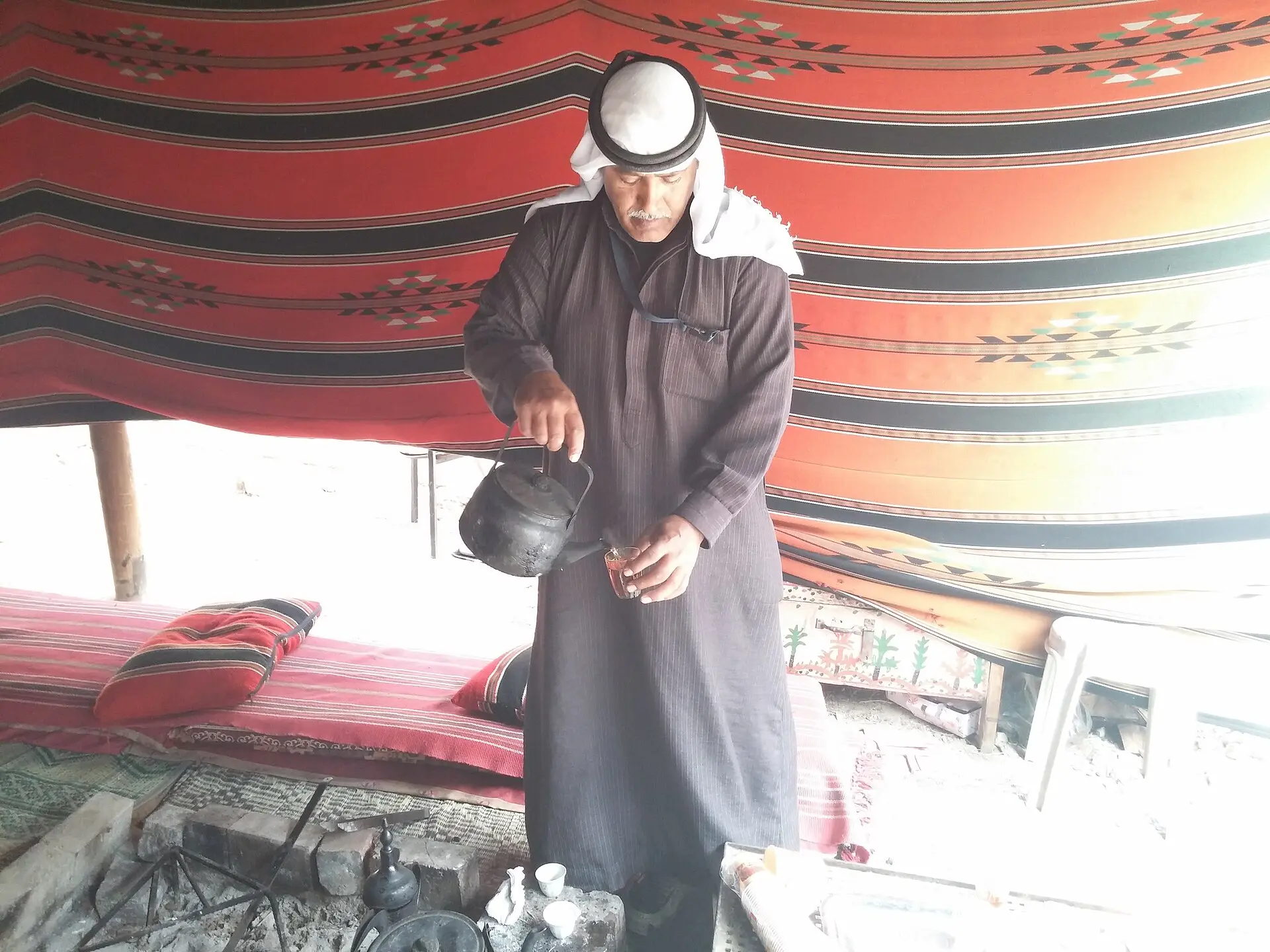
- Accept tea or coffee when offered — refusing outright can seem rude; shake the cup gently to signal you have had enough Arabic coffee.
- Use your right hand to eat and pass things.
- Ask before photographing people, especially women, and do not photograph military or police sites.
- Public displays of affection are frowned upon; the FCDO notes that same-sex couples may face problems, and unmarried couples sharing rooms rarely face issues in hotels but can elsewhere.
- Drinking alcohol in the street is illegal; bars, hotels and restaurants in cities serve it.
- It is illegal to proselytise.
Ramadan and Fridays
Friday is the weekly day of rest; many shops open late and government offices close (the weekend is Friday–Saturday). During Ramadan, eating, drinking and smoking in public during daylight is not allowed for anyone; tourist restaurants and hotels serve food discreetly, and evenings are lively after the iftar meal. Opening hours of sites can be shorter. See events and holidays.
Connectivity and power
- SIM cards and eSIMs from Zain, Orange and Umniah are sold at the airport and in towns; bring your passport.
- Wi-Fi is standard in hotels; coverage is patchy in Wadi Rum and parts of Dana and Feynan.
- Electricity is 230 V; sockets are mostly European two-pin (type C/F), with British three-pin (type G) also common — bring a universal adapter.
- Jordan uses UTC+3 all year (no daylight saving since 2022).
Health and water
Medical care in Amman is good; private hospitals expect payment or insurance. Pharmacies are widely available. Tap water is treated, but most visitors drink bottled or filtered water — refill bottles where hotels offer filtered water to cut plastic. Sun and dehydration are the main health risks; desert nights are cold, so pack layers.
Laws and customs to know
- Carry your passport or a copy: the police run random ID checks at checkpoints (UK FCDO).
- Drinking alcohol in the street is illegal; bars, hotels, licensed restaurants and private homes are fine.
- Drug offences carry long prison sentences.
- Public displays of affection can cause offence; same-sex couples should be especially discreet (FCDO).
- Encouraging someone to convert to Christianity is illegal.
- Do not photograph military sites, police, border crossings or people without permission.
Petra and outdoor safety
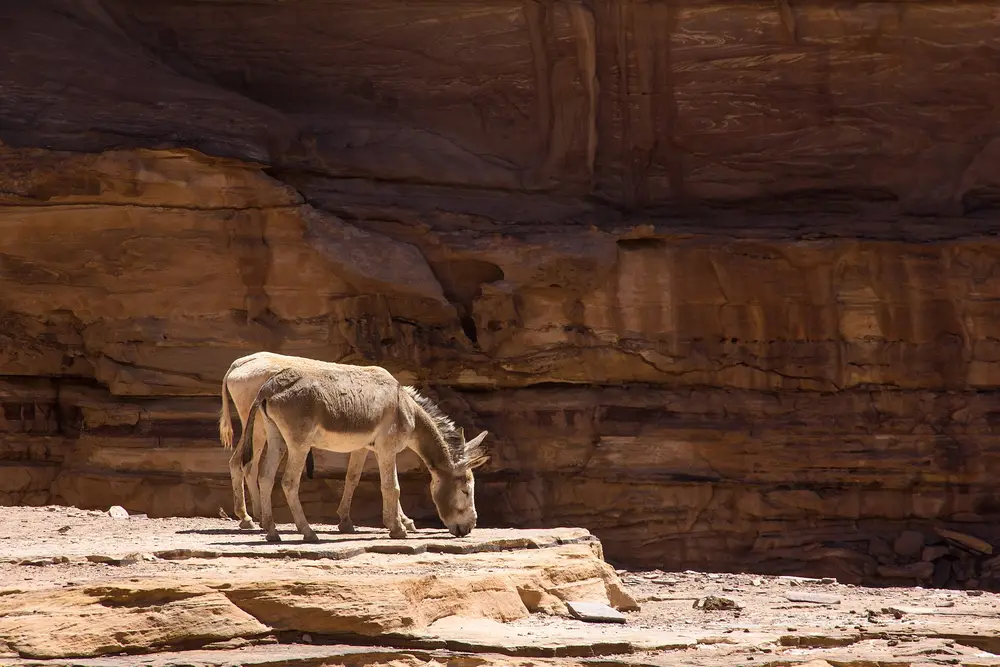
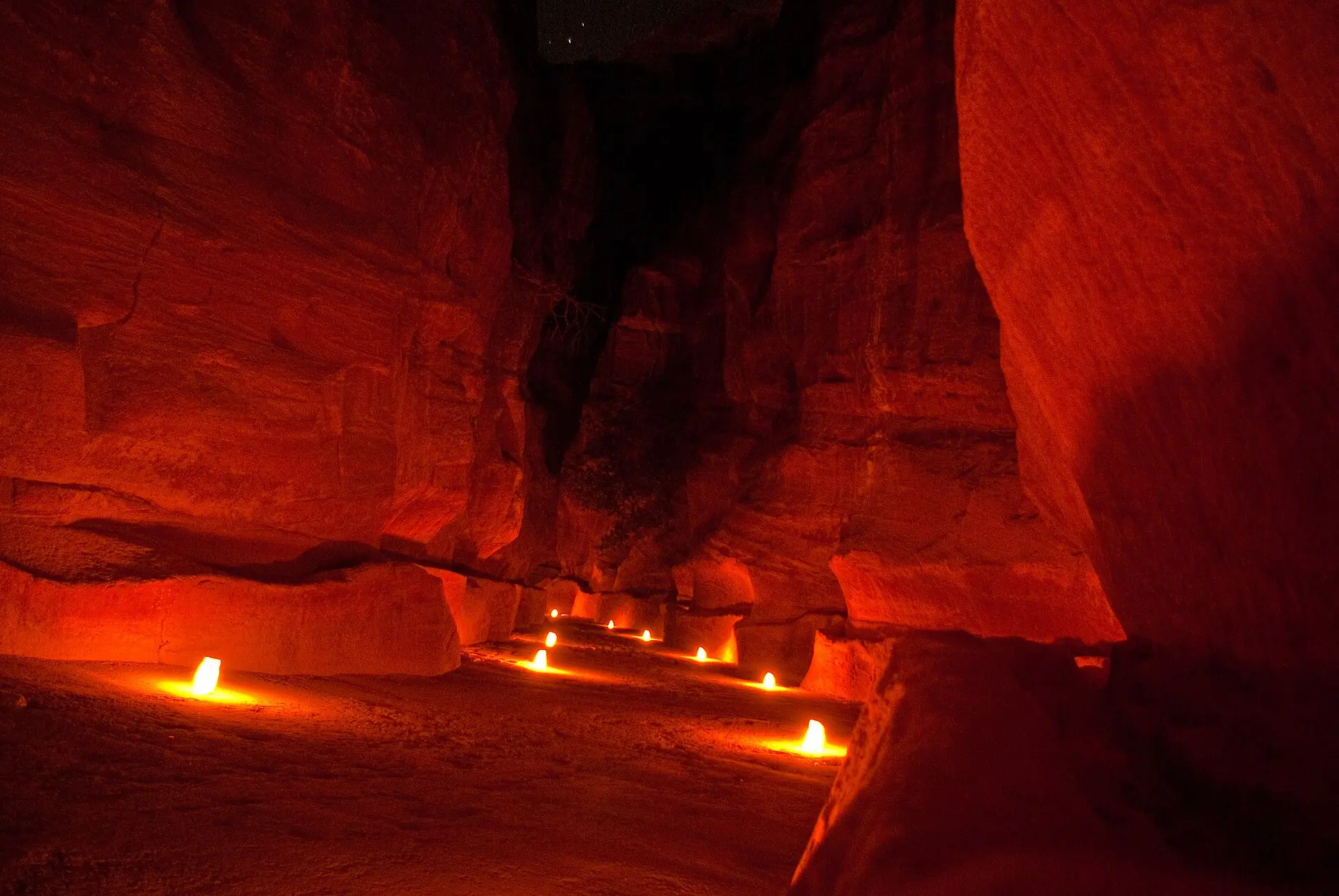
Petra has strict opening and closing hours, and the UK FCDO warns that visitors who stay inside after closing risk arrest; tourists have been locked in overnight. Ask the tourist office if you are unsure about prices before agreeing to extra charges such as donkey or horse rides. For hiking, canyoning and diving, choose operators carefully — the quality of tour operators varies, and the Jordan Tourism Board publishes a list of licensed operators. From November to March, avoid wadis during and after heavy rain because of flash floods, and in summer avoid strenuous walks in the midday heat.
Accessibility in more detail
Petra is challenging but not impossible: the official Petra by Night site says up to three club cars per night are available for visitors with disabilities and elderly visitors on a first-come basis, and electric vehicles operate along part of the main trail by day; the Siq's surface is uneven. Jerash's main street is partly manageable with help. Most international hotels in Amman, the Dead Sea and Aqaba have accessible rooms; ask about step-free access to beaches and pools. Wadi Rum's sand and open jeeps are difficult — request a 4×4 with seats. A private driver makes everything easier.
Accessibility
Jordan's main sites involve uneven ground and steps. Petra offers electric vehicles for visitors with reduced mobility along part of the main trail (book at the Visitor Centre), and some Dead Sea resorts have accessible beaches. Amman's hills and pavements are challenging; a private driver makes travel much easier.
Frequently asked questions
Is Jordan safe to visit in 2026–27?
Jordan is generally calm and welcoming, but regional tensions persist as of November 2026. Most governments do not advise against travel to Jordan as a whole; the UK FCDO advises against travel within 3 km of the Syrian border. Check the latest advice before you go.
Can I use US dollars in Jordan?
Some tourist businesses accept them, but you will get better value paying in dinars.
What should women wear in Jordan?
Loose clothing covering shoulders and knees in towns and at sites; swimwear only at pools and beaches. A scarf is useful for mosques.
Is alcohol available in Jordan?
Yes, in hotels, bars and many restaurants in Amman, Madaba, Aqaba and tourist areas, but not in the street.
Is it safe for women to travel alone in Jordan?
Many women travel solo in Jordan without problems. The UK FCDO advises taking care when walking or travelling alone, not accepting lifts from strangers, sitting in the back of taxis and preferring Uber or Careem over yellow taxis; dressing modestly reduces unwanted attention.
Do I need vaccinations for Jordan?
No vaccinations are required for most travellers; check your national travel-health service (for UK travellers, TravelHealthPro) for routine recommendations.
Can I drink tap water in Jordan?
Tap water is treated, but most visitors drink bottled or filtered water. Refill bottles where hotels offer filtered water to cut plastic.
Sources and official information
Facts were checked against these official sources in November 2026. Opening hours, prices and timetables change, so confirm before you go.
JordanTravel.com is an independent guide, not the official site of the Jordan Tourism Board, the Government of Jordan or any operator. Some links are affiliate links: tours go to GetYourGuide and hotels go to Booking.com, and we may earn a commission at no extra cost to you.