In short
- The Jordan Trail runs more than 675 km from Umm Qais in the north to Aqaba, through about 75 villages and towns, in roughly 35 days of hiking.
- It is divided into eight regions; the most popular sections are Dana to Petra (about 4 days) and Petra to Wadi Rum.
- Best seasons are spring and autumn; the Jordan Trail Association organises group thru-hikes in spring and autumn 2027.
- Remote sections need guides, water planning and support vehicles.
About the trail
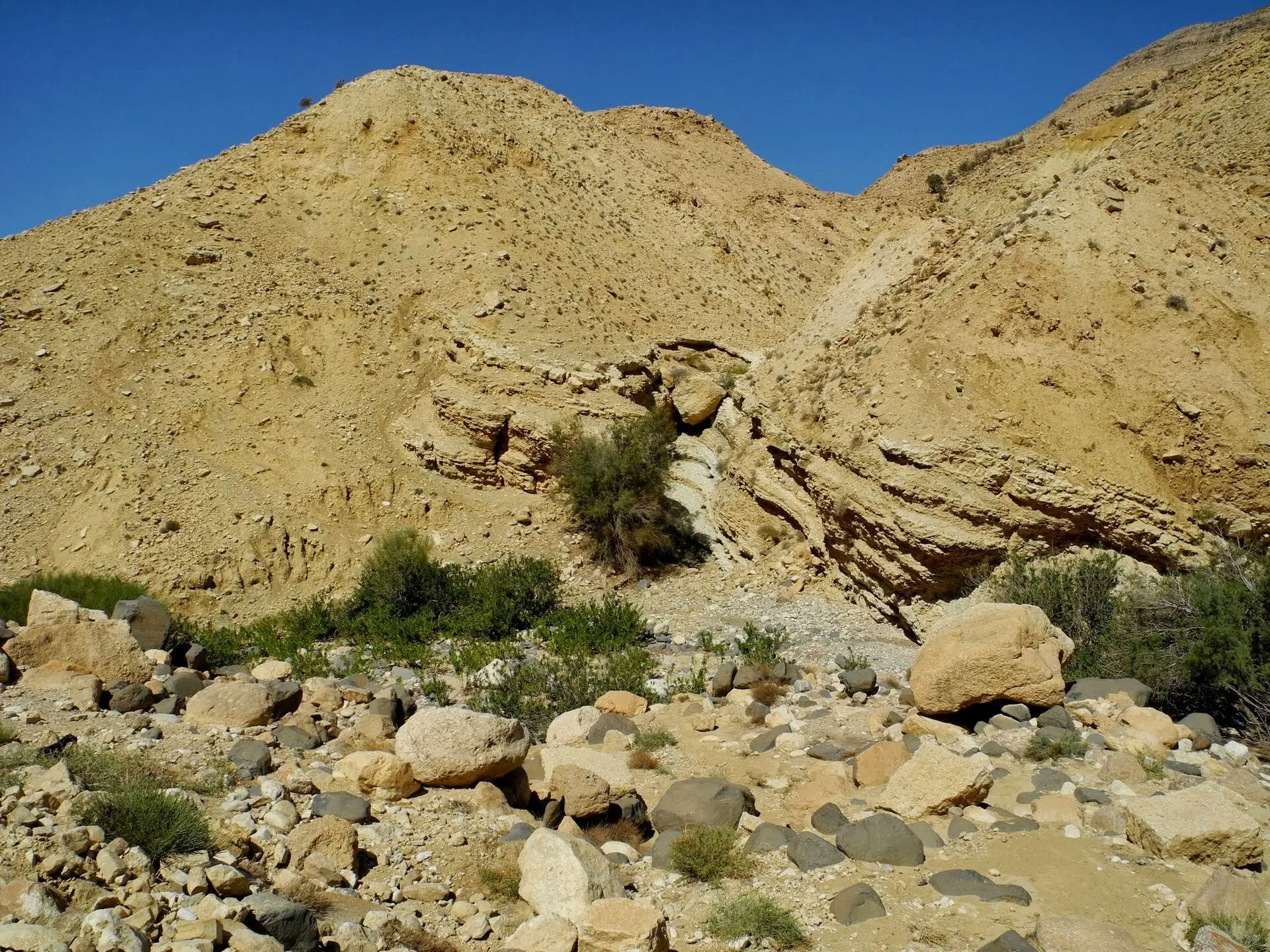
Created in the 2010s and managed by the non-profit Jordan Trail Association, the Jordan Trail links ancient paths, shepherds' tracks and village lanes into a continuous route the length of the country. It passes Roman cities, Crusader castles, canyons, forests, desert and sea, and deliberately goes through villages so that hikers spend money with local families and guides. Hikers can buy an official JT Pass, a trail passport that records their progress.
The eight regions
| Region | Route | Highlights |
|---|---|---|
| 1 | Umm Qais → Ajloun | Olive groves, oak forest, Ajloun Castle |
| 2 | Ajloun → As-Salt | Valleys, King Talal Dam, Ottoman As-Salt |
| 3 | As-Salt → Wadi Zarqa Ma'in | Iraq al-Amir, views to the Dead Sea |
| 4 | Three wadis → Al-Karak | Wadi Hidan, Wadi Mujib, deep canyons |
| 5 | Al-Karak → Dana | Highlands, villages, Dana valley |
| 6 | Dana → Petra | Feynan, Wadi Malaga, Little Petra — the classic |
| 7 | Petra → Wadi Rum | Sandstone wilderness, Humeima |
| 8 | Wadi Rum → Red Sea | Desert peaks and the descent to Aqaba |
Dana to Petra: the classic section
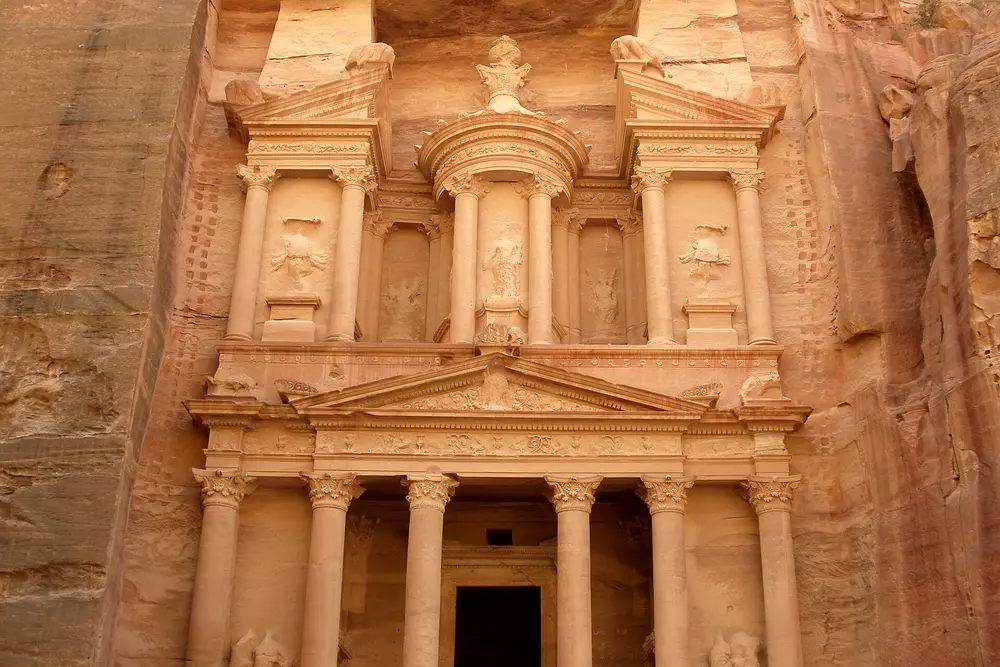
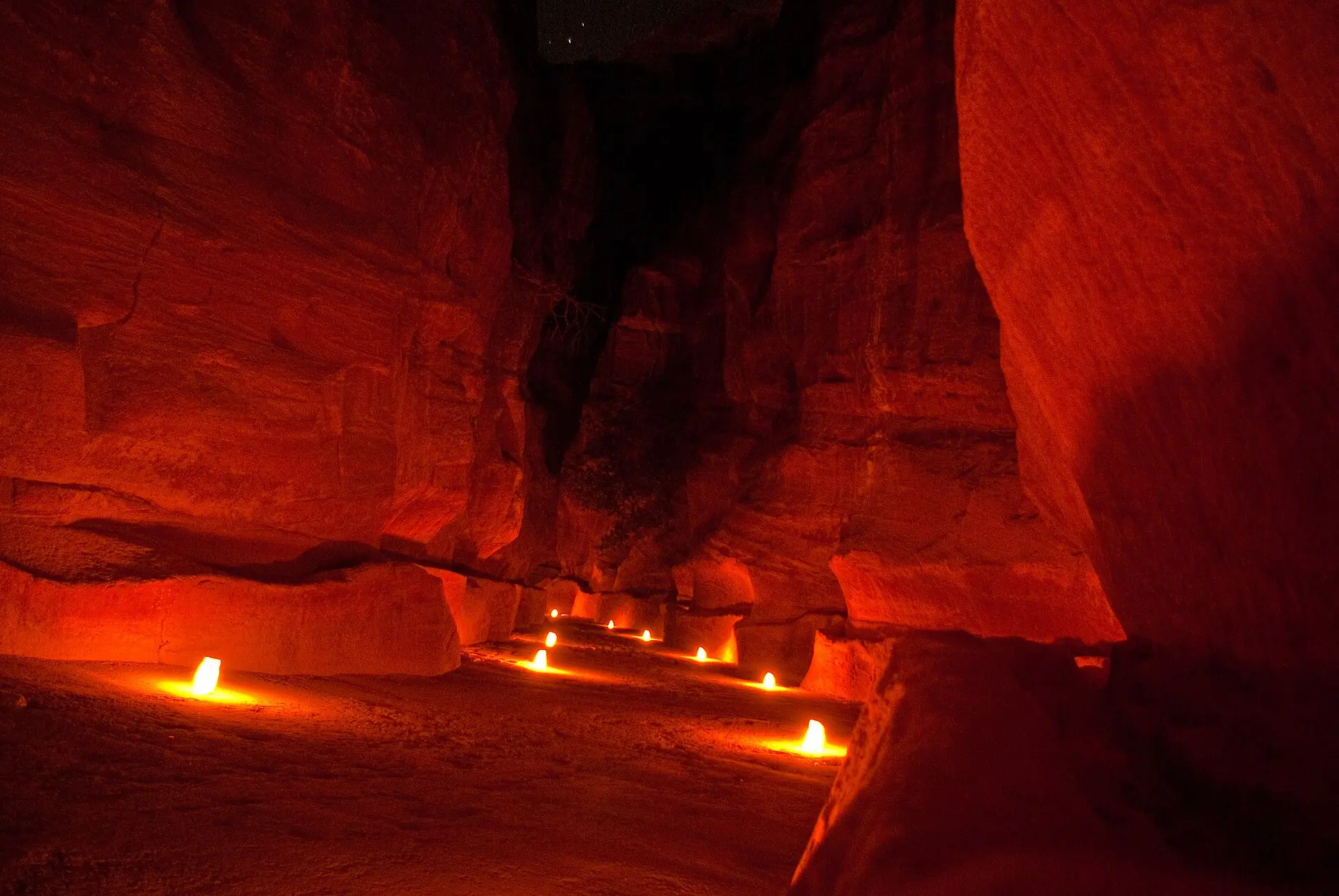
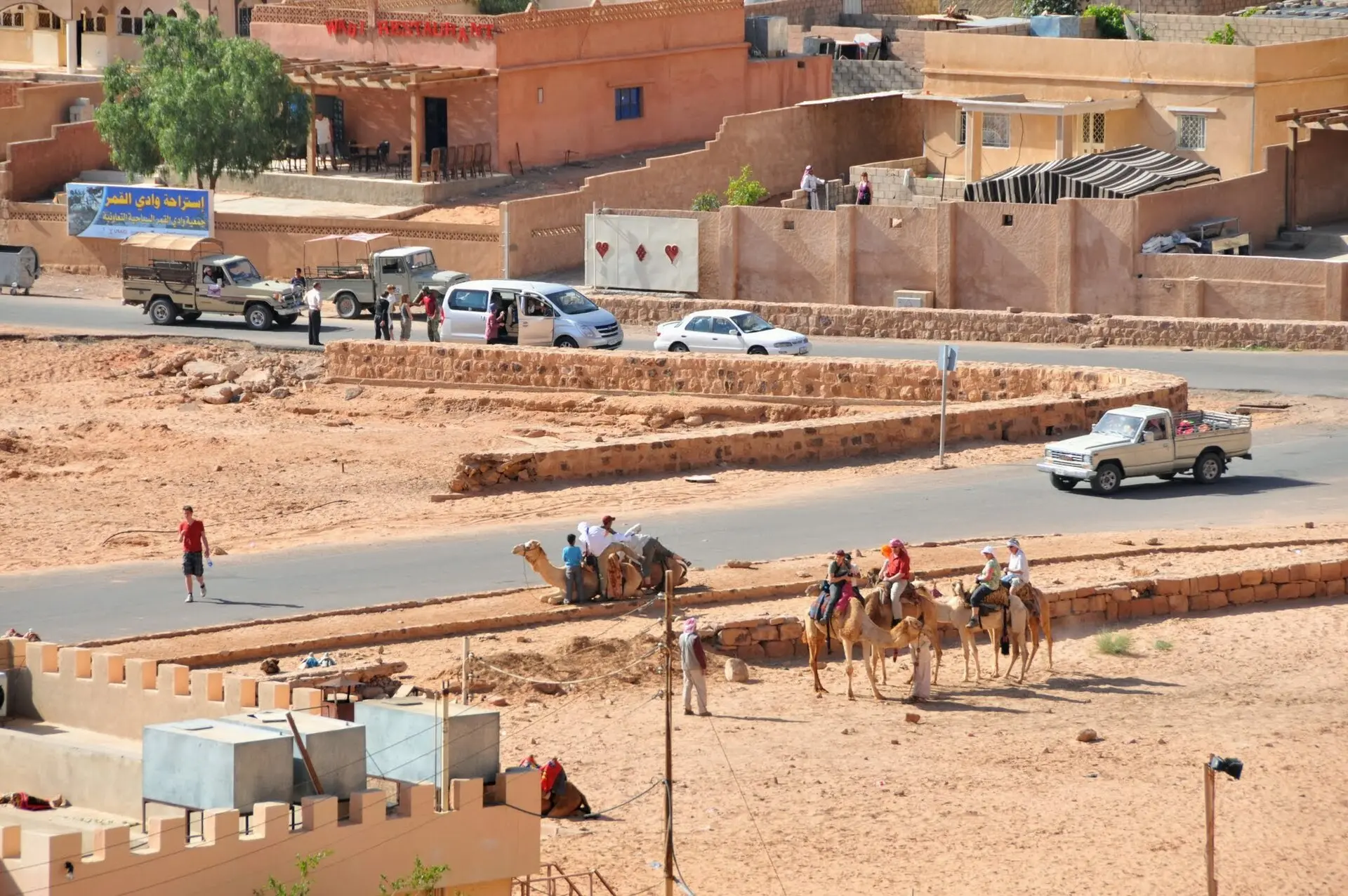
Four to five days across some of Jordan's wildest scenery: down from Dana to Feynan, through the sandstone country of Wadi Malaga and Ras al-Feid, to Little Petra and finally into Petra by the back door, arriving at the Monastery. Most hikers go with a local operator who arranges camps, food and luggage. It ends at one of the world's great sites — a finish no other trail can match.
When to walk
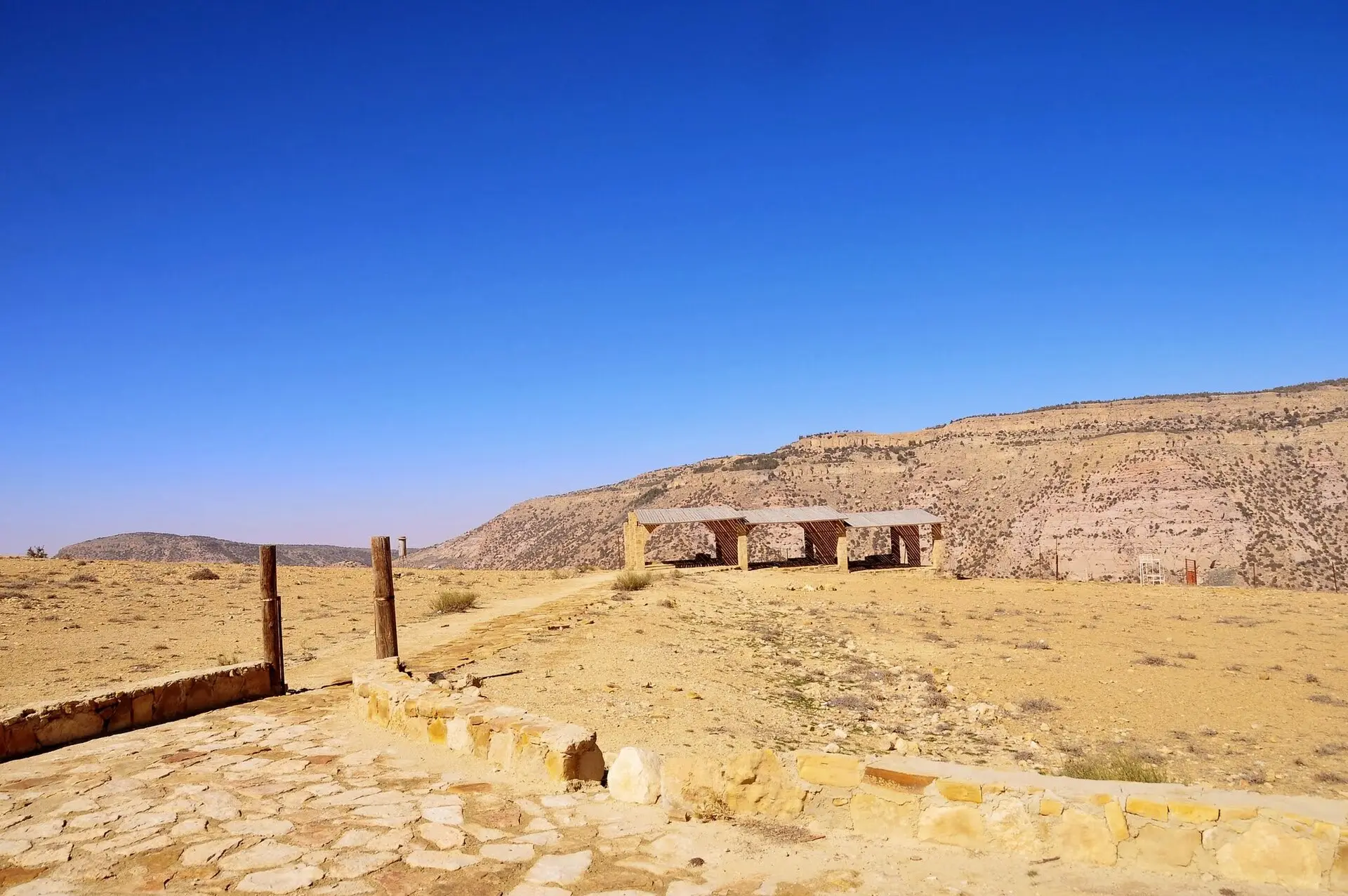
Spring (March–May) and autumn (late September–November) are best. Summer is dangerously hot in the low sections; winter can bring rain, flash floods, cold and snow in the highlands. The Jordan Trail Association runs organised thru-hikes in spring and autumn; 2027 editions are announced on jordantrail.org.
Planning and safety
- Guides: strongly recommended for remote sections (Dana–Petra, Petra–Rum, Rum–Aqaba); required to enter some areas.
- Water: sources are scarce in the south; plan caches or vehicle support.
- Navigation: download the official GPS tracks; waymarking is incomplete in places.
- Accommodation: village homestays, camps and guesthouses.
- Permits and fees: Petra, Wadi Rum and RSCN reserves charge entry — the Jordan Pass covers Petra and Wadi Rum.
- Flash floods: never camp in wadi beds; avoid canyons after rain.
What a day on the trail looks like
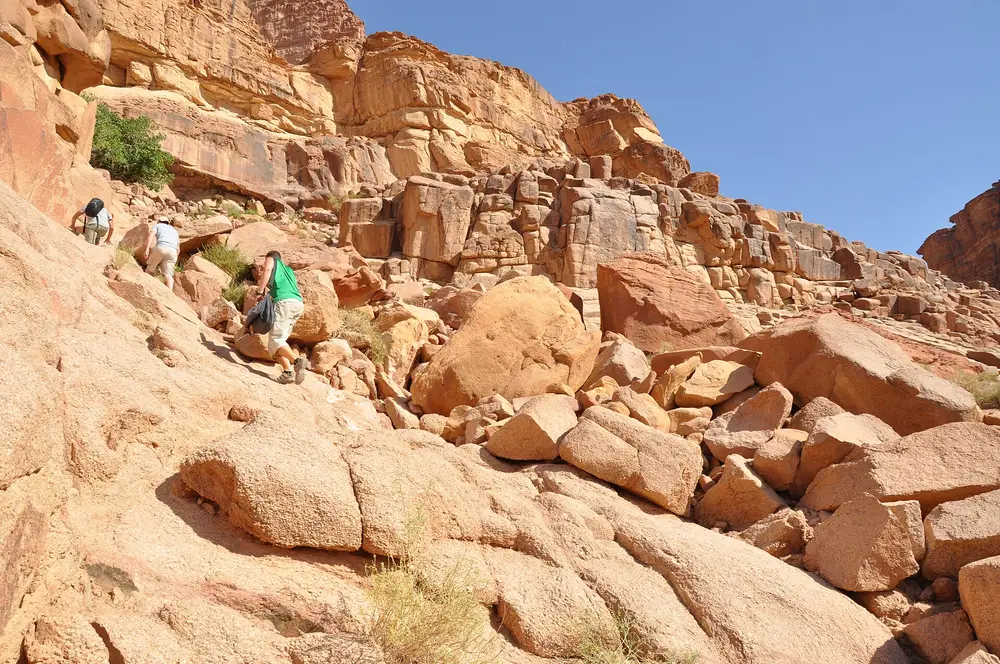
Typical stages are 15–25 km with 600–1,000 m of ascent, starting at first light to avoid the heat. In the north you walk through olive groves, pine forests and villages, sleeping in homestays; in the south you cross open wadis and sandstone plateaus and camp under the stars, with a support vehicle bringing water, food and luggage. The rhythm of tea stops with shepherds and Bedouin families is part of the experience.
The trail in numbers
- Length
- More than 675 km from Umm Qais to Aqaba (Jordan Trail Association)
- Duration
- About 35 days of hiking
- Villages and towns
- About 75 along the way
- Regions
- 8, each with numbered stages (101–806)
- Dana to Petra
- About 72.6 km over 4 hiking days (Jordan Tourism Board)
- Petra to Wadi Rum
- About 125.4 km over 6 hiking days (Jordan Tourism Board)
Which section suits whom?
| You are… | Section | Why |
|---|---|---|
| New to multi-day hiking | Region 1: Umm Qais to Ajloun | Villages every day, olive groves, forests, easier logistics |
| Wanting the classic | Region 6: Dana to Petra | Canyons, Feynan, Little Petra and Petra's back door |
| Seeking wilderness | Region 7: Petra to Wadi Rum | Remote, empty desert and sandstone 'islands' |
| Wanting a grand finale | Region 8: Wadi Rum to the Red Sea | Desert to the coast at Aqaba |
| Short on time | Day sections | Umm Qais–Ziglab, Little Petra–Monastery, Dana descent |
Petra to Wadi Rum
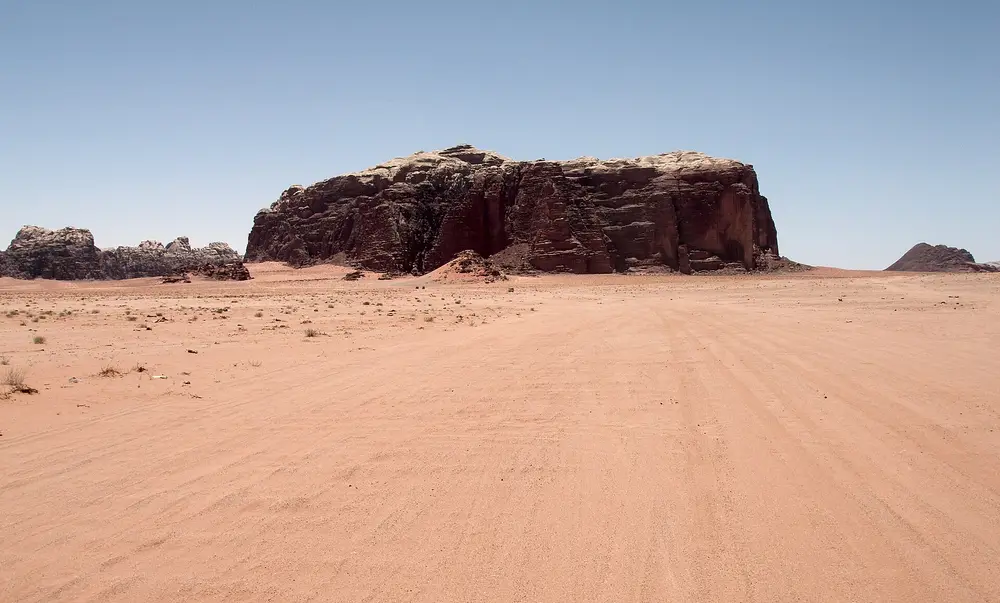
The Jordan Tourism Board describes the Petra–Wadi Rum section as a week-long trek across one of the longest stretches of wilderness on the trail: deep, rugged wadis at first, then open sandy plains and sandstone mountains rising like islands from the sand, passing the Humeima ruins and ending in Wadi Rum village. Off-route, hikers can climb to Jabal Haroun, the traditional burial place of Aaron above Petra. It is remote — water must be planned and supported — and only suitable with a guide and logistics.
Trail passes, events and support
The Jordan Trail Association sells a Trail Pass, an official trail passport and hiking log that it says can be shown to authorities when needed, and organises group thru-hikes; in November 2026 it was advertising spring 2027 and autumn 2027 thru-hikes. Its website has stage maps and GPS files, packing and water advice, and a list of tour operators that offer guided sections. Hiring local guides and staying in village homestays along the way brings income to communities, which is one of the trail's aims.
The regions from north to south
North (regions 1–3): from Umm Qais through olive groves, oak and pine forests and villages to Ajloun, then to As-Salt and down towards Wadi Zarqa Ma'in. The greenest and most populated part of the trail, with frequent villages and the easiest logistics; good for a first multi-day walk.
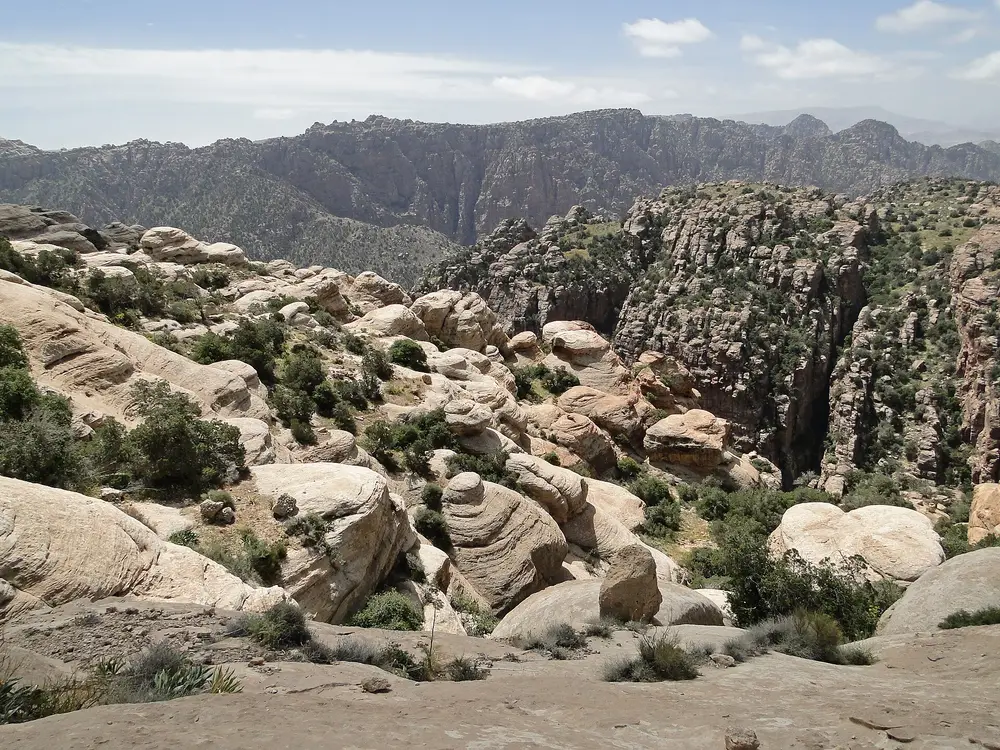
Centre (regions 4–5): the 'three wadis' — Zarqa Ma'in, Hidan and Mujib — then the plateau to Karak and on to Dana. Big descents and climbs through deep canyons, with water crossings in places; strong hikers only.
South (regions 6–8): Dana to Petra through Feynan and Little Petra, Petra to Wadi Rum across empty desert, and Wadi Rum to Aqaba on the Red Sea. The most famous and most remote sections, where support and guides are essential.
Gear checklist
- Broken-in hiking boots or trail shoes with good grip.
- Sun hat, sunglasses, sunscreen and a long-sleeved shirt.
- Warm layer and windproof jacket — desert nights are cold.
- Water capacity of 3–4 litres, purification tablets or a filter.
- Head torch, first-aid kit and blister care.
- Offline maps and the official GPS tracks; a power bank.
- Cash for homestays, guides and village shops.
Respecting villages and the land
- Dress modestly in villages — long trousers and covered shoulders.
- Ask before photographing people and homes.
- Carry out all rubbish; there are few bins on the trail.
- Close farm gates and keep away from crops and olive trees.
- Accept hospitality graciously — tea offered by a shepherd is a gift, not a sale.
- Do not light fires outside designated places; summer forests burn easily.
Day hikes on the trail
No time for the whole trail? Walk a day section: Umm Qais to Ziglab in the north, the descent from Dana towards Feynan, Little Petra to the Monastery, or a stretch near Wadi Rum village with a Bedouin guide. See activities for more hikes.
Dana Tower Hotel
Dana & FeynanRustic, characterful guesthouse in Dana village beloved by hikers.
See on Booking.comThe Rock Camp Petra
Petra / Wadi MusaTented camp near Little Petra for travellers who want desert quiet near Petra.
See on Booking.comBedouin Nights Camp
Wadi RumSmall traditional camp with excellent reviews (9.9 on Booking.com as of November 2026) and zarb dinners.
See on Booking.comSee all hotels in Jordan on Booking.com
Hotel links go to Booking.com, where you see live prices and availability. We do not list prices because they change daily; JordanTravel.com may earn a commission.
Frequently asked questions
How long is the Jordan Trail?
More than 675 km, typically about 35 days of hiking from Umm Qais to Aqaba.
Which section of the Jordan Trail is best?
Dana to Petra is the most popular and spectacular, ending at the Monastery in Petra.
Can I hike the Jordan Trail without a guide?
Experienced hikers walk northern sections independently; the remote southern sections are much safer with a guide and support.
What is the Jordan Trail Pass?
An official trail passport and hiking log sold by the Jordan Trail Association, which it describes as a keepsake and a facilitation document that can be shown to authorities.
Is the Jordan Trail waymarked?
Partly; marking varies by section and can be sparse in the desert. Use the official GPS tracks and a guide on remote stages.
Where does the Jordan Trail start and end?
It runs from Umm Qais in the far north to Aqaba on the Red Sea, according to the Jordan Trail Association.
When is the best time to hike the Jordan Trail?
Spring (March–May) and autumn (late September–November). Summer is dangerously hot in low sections; winter brings rain, cold and flash-flood risk.
How fit do I need to be for the Jordan Trail?
Multi-day sections involve 15–25 km a day with big climbs and descents, often in heat; you should be comfortable with long hiking days and rough terrain. Day sections are easier to tailor.
Are there water sources on the Jordan Trail?
In the north, villages are frequent; in the south, sources are scarce and water must be planned or supported by an operator.
Can I join a group hike on the Jordan Trail?
Yes — the Jordan Trail Association organises thru-hikes (advertised for spring and autumn 2027) and lists operators offering guided group sections.
Sources and official information
Facts were checked against these official sources in November 2026. Opening hours, prices and timetables change, so confirm before you go.
JordanTravel.com is an independent guide, not the official site of the Jordan Tourism Board, the Government of Jordan or any operator. Some links are affiliate links: tours go to GetYourGuide and hotels go to Booking.com, and we may earn a commission at no extra cost to you.