In short
- Best souvenirs: Madaba mosaics, Dead Sea salts and mud, hand-woven rugs, embroidery, olive-oil soap, za'atar and spices.
- Buy from community projects (RSCN, women's cooperatives) to support local livelihoods.
- Bargain politely in souks; prices are fixed in malls and many craft shops.
- Aqaba is a special economic zone with duty-free shopping.
What to buy
| Item | Where | Tip |
|---|---|---|
| Mosaics | Madaba workshops | Handmade pieces take weeks — ask to see the workshop |
| Dead Sea salts, mud, creams | Dead Sea resorts, Amman pharmacies, airport | Check labels for genuine Jordanian products |
| Rugs and weaving | Madaba, Amman craft shops, Bani Hamida | Bani Hamida is a women's weaving project |
| Embroidery | Amman (Jabal Amman, Weibdeh) | Traditional cross-stitch on dresses and cushions |
| Olive-oil soap | Ajloun, Amman | Made by village cooperatives |
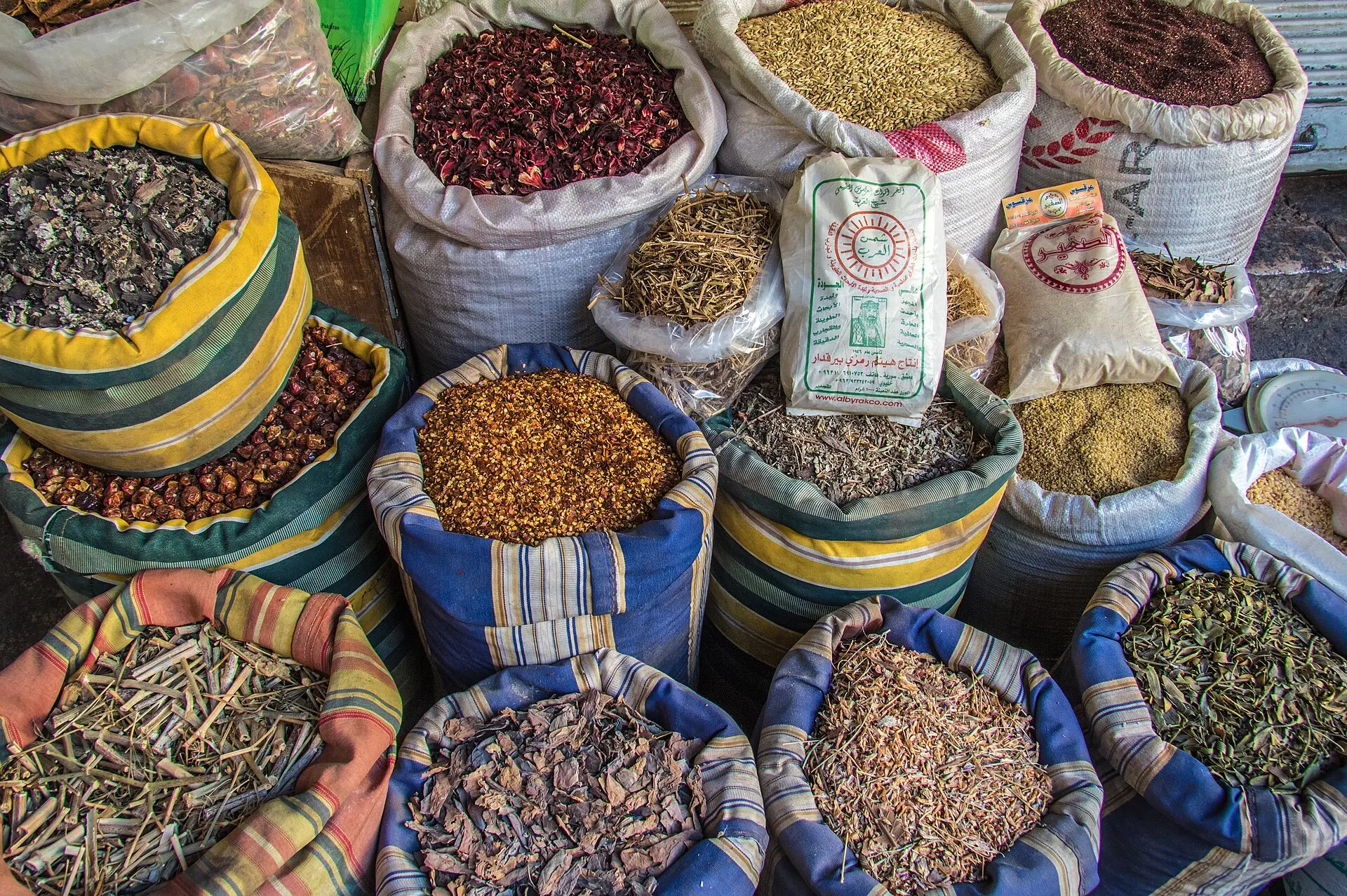
| Spices and za'atar | Downtown Amman souks | Buy vacuum-packed for travel |
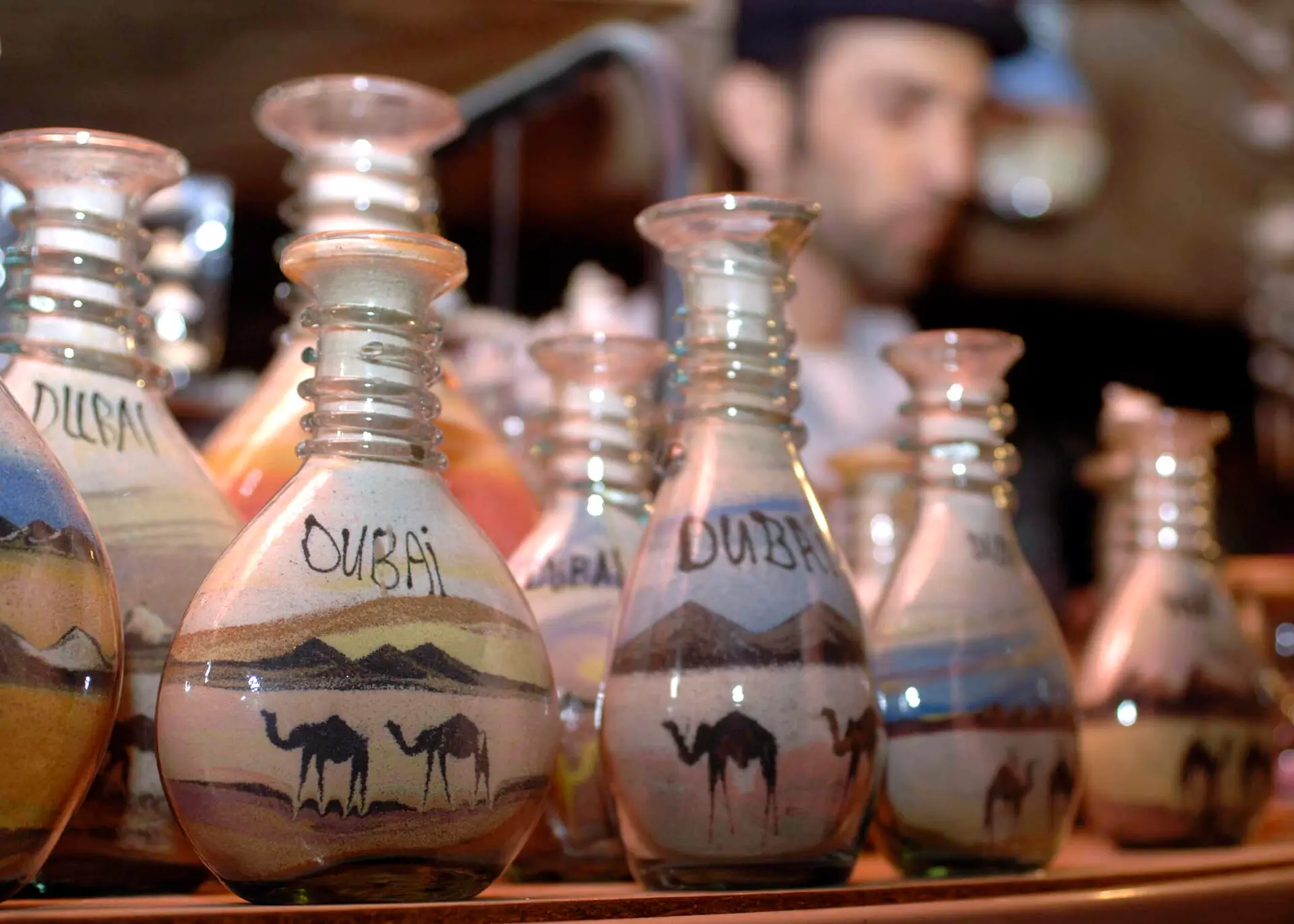
| Sand bottles | Petra, Wadi Musa | Watch artists fill them with coloured sand |
| Silver jewellery | Amman, Dana (RSCN) | Check hallmarks |
| Keffiyeh / shemagh | Souks everywhere | The red-and-white pattern is Jordanian |
Markets and shopping streets
Downtown Amman's souks sell gold, spices, sweets, coffee and everyday goods — go in the late afternoon. Rainbow Street and Weibdeh have design shops and galleries; Souk Jara runs on summer Fridays. West Amman has large malls. Madaba's main street is lined with mosaic and rug shops; Wadi Musa's lanes sell Petra souvenirs. RSCN's Wild Jordan shops sell crafts from nature reserves.
Duty-free Aqaba
As part of the Aqaba Special Economic Zone, Aqaba has lower taxes and duty-free shopping for some goods. Customs limits apply when you take purchases out of the zone.
Community crafts
Several of Jordan's best souvenirs come from projects that support rural women and protected areas: weaving from Bani Hamida near Mukawir, silver jewellery and dried herbs from the RSCN workshops in Dana, olive-oil soap from Ajloun's villages, and embroidery from cooperatives in Amman. Buying from them keeps more money in local hands than airport shops.
What not to buy
Do not buy antiquities, coins or anything presented as ancient — export is illegal. Avoid products made from protected animals, and be careful with souvenir knives in hand luggage.
Where to shop, destination by destination
Amman has the widest choice. Downtown's souks around the King Hussein Mosque sell gold, spices, coffee freshly ground with cardamom, nuts, dried fruit and sweets, plus cheap clothes and household goods; the gold souk is a short walk away. Rainbow Street and the lanes of Jabal Amman have design shops selling contemporary Jordanian crafts, printed textiles, ceramics and books, while Jabal al-Weibdeh has galleries and small studios. In West Amman, modern malls cover international brands. Souk Jara, the summer Friday market near Rainbow Street, mixes crafts, food stalls and music.
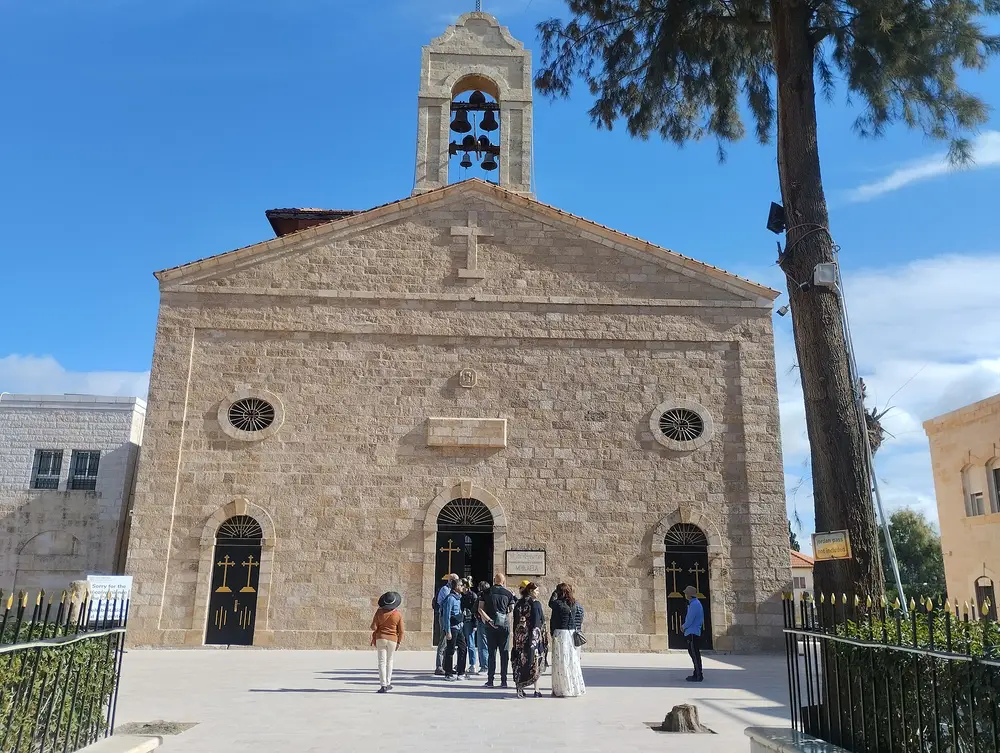
Madaba is the place for mosaics: workshops along the main tourist streets and near St George's Church make tables, wall panels and small souvenirs in the Byzantine tradition, and you can watch artisans at work. Madaba is also known for hand-woven rugs, and the Bani Hamida women's weaving project near Mukawir sells its brightly striped rugs and cushions through outlets in the area.
Wadi Musa (Petra) has souvenir shops along the main street and stalls inside Petra itself, run by Bedouin families: silver jewellery, scarves, sand bottles, Nabataean-style pottery and postcards. Prices inside the site are negotiable; quality varies, so look closely. The Shaqilah Centre near Petra offers workshops where you can make your own silver or pottery piece.
The Dead Sea resorts and Amman shops sell Dead Sea salts, mud and cosmetics from Jordanian brands — light, useful gifts. Aqaba, inside the Aqaba Special Economic Zone, has lower taxes on some goods and a busy souk with spices, sweets and clothes. Dana and the other RSCN reserves have Nature Shops selling dried fruit, herbal teas, jams, olive-oil soap and silver jewellery made by local women.
Fair prices and quality: what to look for
- Mosaics: check the size of the tesserae (smaller is finer work), the evenness of the joints and whether the piece is made of natural stone. Ask the workshop to pack it for the flight and to give a receipt stating it is a modern piece.
- Rugs: hand-woven wool rugs are heavier and less uniform than machine-made ones; ask about natural dyes and where the rug was woven.
- Embroidery: traditional cross-stitch cushions and dresses are labour-intensive; very low prices usually mean machine embroidery.
- Silver: look for a hallmark and ask for the weight; prices of genuine silver follow weight and workmanship.
- Dead Sea products: buy sealed products from shops or resorts rather than loose mud from street sellers; check liquid limits for hand luggage.
- Spices and coffee: buy from busy shops with high turnover so the stock is fresh; ask for coffee to be vacuum-packed.
Practicalities
Shops in tourist areas generally open from mid-morning until late evening. On Fridays, many open only after midday prayers, and during Ramadan, hours shift — shops open later in the morning, close in the afternoon and reopen after iftar until late at night. Card payments are common in malls, larger shops and design boutiques; carry cash in dinars for souks, stalls and small workshops. Sales tax is generally included in prices. Keep receipts for expensive purchases in case customs officers ask on departure.
Souvenirs by budget
- Small gifts: za'atar and spice mixes, Arabic coffee with cardamom, olive-oil soap, Dead Sea bath salts, postcards and sand bottles made in front of you in Petra.
- Mid-range: a keffiyeh or shemagh, embroidered cushion covers, a small mosaic, silver earrings, a box of Jordanian sweets or dates.
- Special purchases: a hand-woven Bani Hamida rug, a large Madaba mosaic panel, fine silver jewellery or a piece by a contemporary Jordanian designer.
Getting purchases home
Larger items such as mosaics and rugs can be shipped by the shop or by courier from Amman; ask for packaging suitable for air travel and keep tracking details. Fragile items carried in hand luggage should be well wrapped. Antiquities may not be exported, and buying them is illegal. Your home country's customs rules also apply to food items such as dates, spices and olive oil — check before you travel.
Shopping with a conscience
Some of the best souvenirs in Jordan come from projects that keep traditional skills alive and give women in rural communities an income. RSCN's Nature Shops sell products made in and around its reserves — dried fruit and herbal teas from Dana, olive-oil soap and biscuits from Ajloun, ostrich-egg and textile crafts from Azraq — and the profits support conservation. In the Madaba area, the Bani Hamida weaving project revived the Bedouin tradition of striped wool rugs. Several design shops in Amman work with refugee and local artisans on embroidery and textiles. Buying here costs a little more than in the souk, but the quality is reliable and the money stays in the community.
Avoid buying shells, coral or anything taken from the Aqaba reefs, and be wary of 'antique' coins and figurines offered at sites: genuine ones are illegal to sell or export, and fakes are common.
Bargaining and etiquette
- In souks and at tourist stalls, start at around half to two-thirds of the asking price and settle somewhere in between — with a smile.
- Do not start bargaining unless you intend to buy.
- Be wary of drivers or guides steering you to 'their' shops for commission.
- Antiquities cannot legally be exported; avoid anything sold as 'ancient'.
- Keep receipts for expensive purchases.
Frequently asked questions
What is the best souvenir from Jordan?
A handmade Madaba mosaic, Dead Sea products, a woven rug from a women's cooperative or a bag of za'atar.
Can I take Dead Sea mud in my hand luggage?
Only within the airline's liquids and gels limits; larger tubs and jars should go in checked luggage.
Where can I buy authentic crafts in Jordan?
Community projects are the safest bet: RSCN Nature Shops (Dana, Ajloun, Azraq and Amman), the Bani Hamida weaving project, Madaba's mosaic workshops and design shops in Jabal Amman that work with Jordanian makers.
Is bargaining expected in Jordan?
In souks and at tourist stalls, yes — politely. In malls, supermarkets, pharmacies and fixed-price craft shops, no.
What is the best place to buy mosaics in Jordan?
Madaba, where workshops make mosaics in the Byzantine tradition and you can watch artisans at work. Ask for a certificate that the piece is modern.
Are prices fixed in Jordan's malls?
Yes — malls, supermarkets and branded stores have fixed prices; bargaining belongs in souks and at stalls.
What can I buy at the airport?
Queen Alia has duty-free and gift shops — handy for last-minute gifts, though usually pricier than shops in town.
Can I buy Dead Sea products cheaply?
Supermarkets and pharmacies in Amman often sell Jordanian Dead Sea products for less than resort shops.
What is a good souvenir for under JD 5?
A bag of za'atar, a jar of local honey, olive-oil soap or a small sand bottle made in front of you in Petra.
Sources and official information
Facts were checked against these official sources in November 2026. Opening hours, prices and timetables change, so confirm before you go.
JordanTravel.com is an independent guide, not the official site of the Jordan Tourism Board, the Government of Jordan or any operator. Some links are affiliate links: tours go to GetYourGuide and hotels go to Booking.com, and we may earn a commission at no extra cost to you.