In short
- The best months are March–May and late September–November: warm days, cool nights, good light.
- Summer (June–August) is hot and dry, especially at the Dead Sea and Aqaba; the highlands are more bearable.
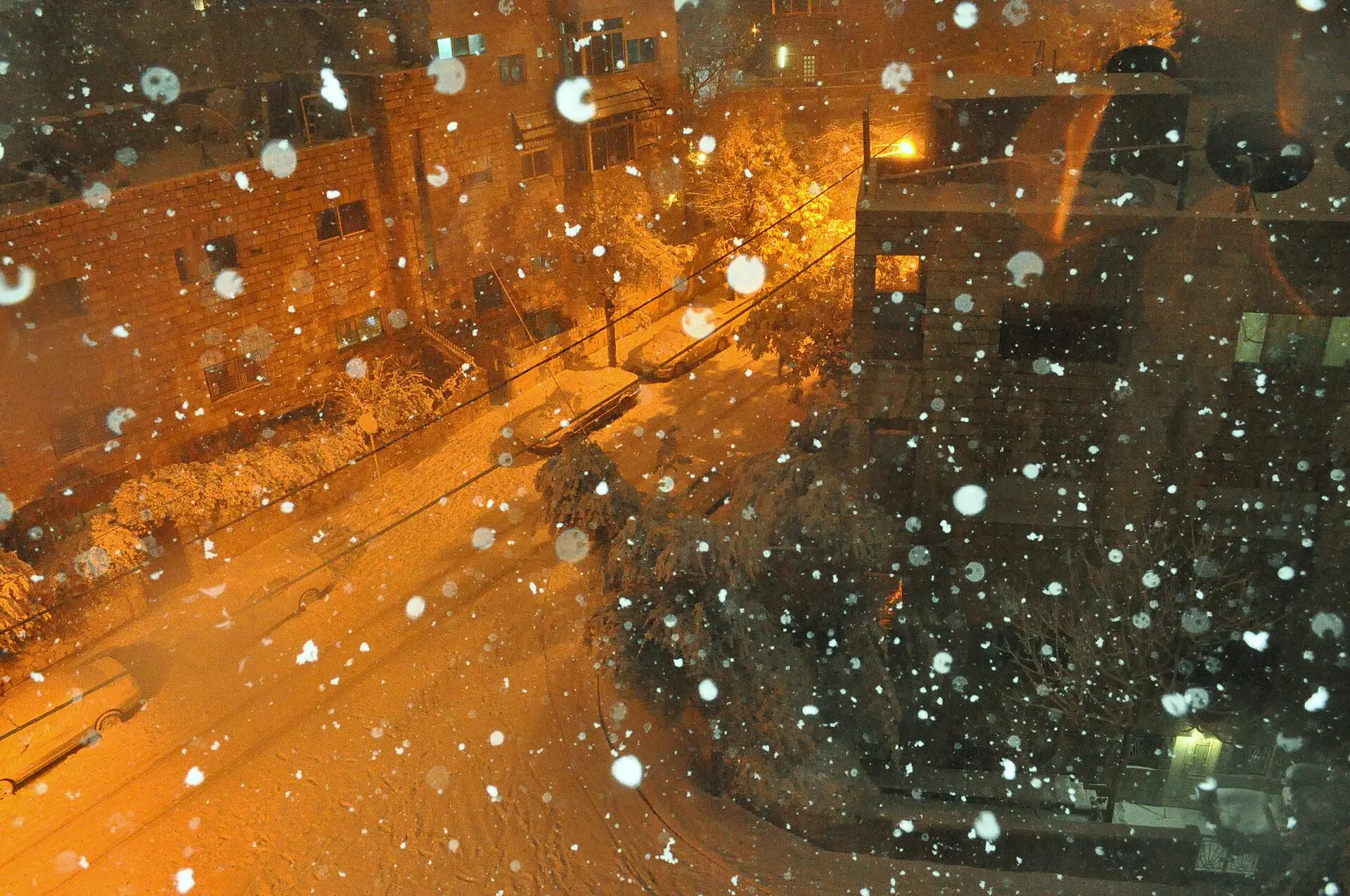
- Winter (December–February) is cool and rainy in the highlands, with occasional snow in Amman and Petra, but mild at the Dead Sea and Aqaba.
- Altitude matters more than latitude: Petra and Amman sit at 700–1,300 m, the Dead Sea at about 430 m below sea level.
Jordan's climate in a nutshell
Jordan has a Mediterranean climate in the north-western highlands (Amman, Jerash, Ajloun, Madaba, Karak, Petra), with wet winters and dry summers, and a desert climate in the east and south (Wadi Rum, the desert castles) and in the deep rift of the Jordan Valley, Dead Sea and Wadi Araba down to Aqaba. Rain falls almost entirely between November and April; from June to September you will rarely see a cloud.
Because of the altitude differences, you can experience three climates in a single day: a frosty morning in Petra, a mild afternoon in Wadi Rum and a warm evening by the Red Sea.
Month by month
| Month | Amman | Petra | Dead Sea | Aqaba | Verdict |
|---|---|---|---|---|---|
| Jan | 13 °C | 12 °C | 21 °C | 21 °C | Cold highlands, mild south |
| Feb | 14 °C | 14 °C | 23 °C | 23 °C | Rain possible |
| Mar | 18 °C | 18 °C | 27 °C | 26 °C | Very good; flowers |
| Apr | 23 °C | 23 °C | 31 °C | 31 °C | Excellent |
| May | 28 °C | 27 °C | 35 °C | 35 °C | Very good |
| Jun | 31 °C | 31 °C | 38 °C | 38 °C | Hot |
| Jul | 32 °C | 32 °C | 40 °C | 39 °C | Hot; early starts |
| Aug | 33 °C | 32 °C | 39 °C | 39 °C | Hot; early starts |
| Sep | 31 °C | 30 °C | 37 °C | 36 °C | Good from mid-month |
| Oct | 27 °C | 25 °C | 33 °C | 32 °C | Excellent |
| Nov | 20 °C | 19 °C | 27 °C | 27 °C | Very good |
| Dec | 15 °C | 14 °C | 22 °C | 23 °C | Cool, quiet |
Spring (March–May)
The favourite season: green hills in the north, wildflowers (including the black iris, Jordan's national flower) in March and April, comfortable hiking and long days. It is also the busiest time at Petra and Wadi Rum, and around Easter. Book accommodation ahead.
Summer (June–August)
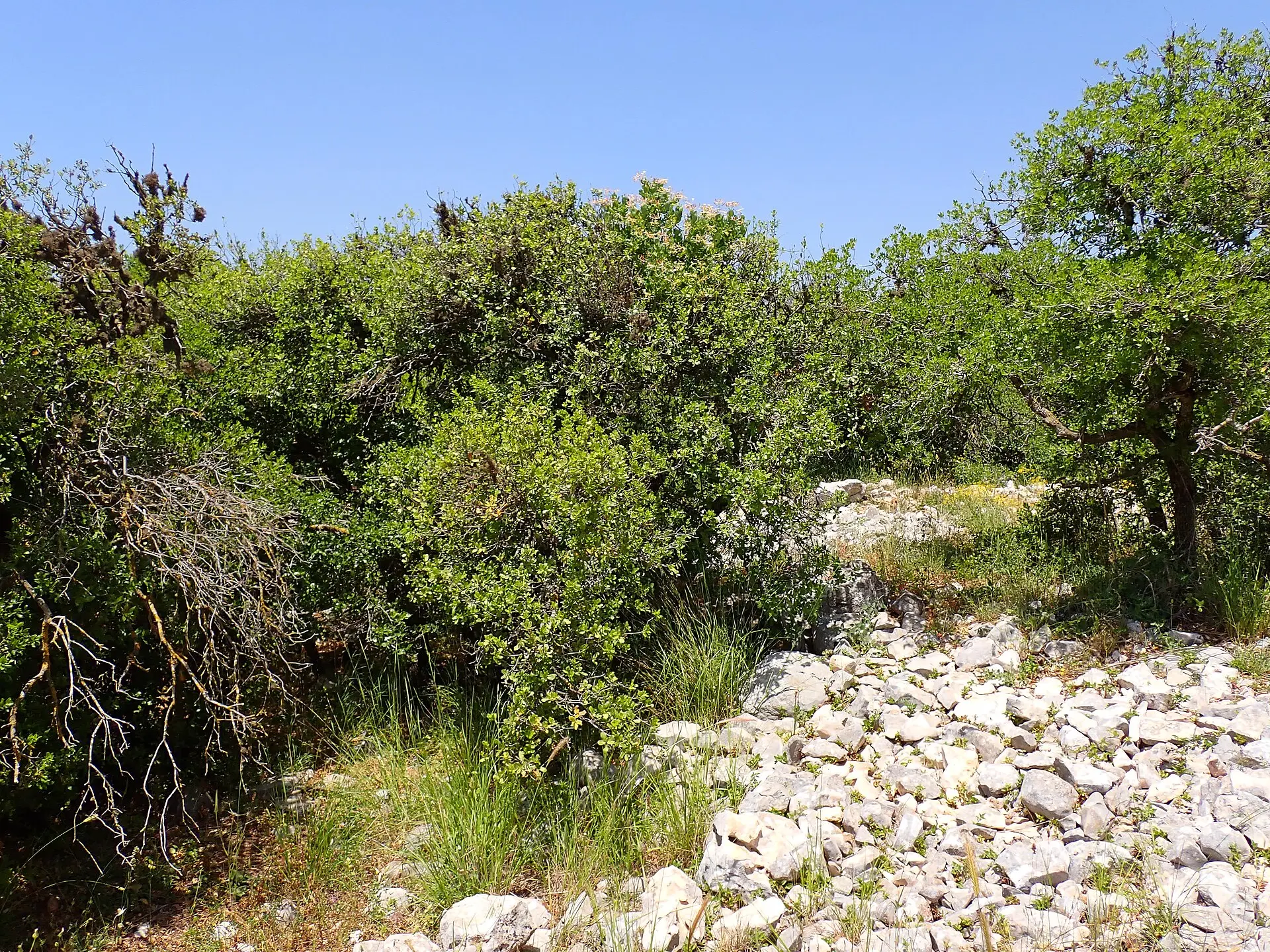
Hot and dry everywhere, very hot (often 38–40 °C) at the Dead Sea and Aqaba. Petra and Wadi Rum remain doable with 6 AM starts and midday rests. The Wadi Mujib Siq Trail is at its best. Many Gulf visitors come for the cooler highlands, and Aqaba is busy with families.
Autumn (September–November)
Heat eases from mid-September; October and November bring golden light, warm sea water in Aqaba and the olive harvest in the north. The first rains usually arrive in November.
Winter (December–February)
Cool and changeable in the highlands, with rain, fog and a few days of snow in some years in Amman, Petra, Shobak and Dana. Indoor heating in budget hotels can be limited. In return, prices drop, sites are quiet and the Dead Sea and Aqaba are pleasantly warm. Flash floods are possible after heavy rain: follow warnings.
What to pack
- Layers in every season: desert and mountain nights are cool even after hot days.
- Sturdy walking shoes for Petra and Jerash; water shoes for the Dead Sea and Wadi Mujib.
- Sun hat, sunglasses and high-factor sunscreen.
- A warm jacket, hat and gloves from November to March in Petra, Wadi Rum and Amman.
- A light scarf or shawl — useful for sun, dust and visiting religious sites.
- Modest clothing covering shoulders and knees for towns and religious sites.
Regional differences at a glance
| Area | Altitude | Climate |
|---|---|---|
| Amman, Jerash, Ajloun, Madaba | 700–1,250 m | Mediterranean: wet winters, dry warm summers |
| Petra, Shobak, Dana village | 1,000–1,500 m | Cool highland: cold winters, occasional snow |
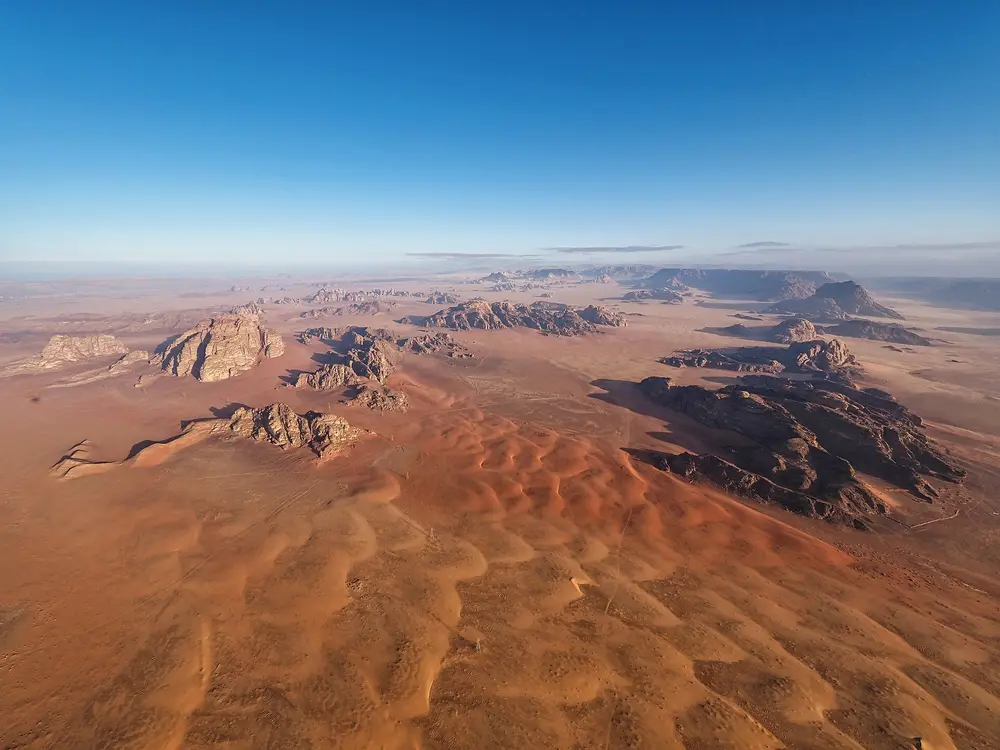
| Wadi Rum | ≈ 950 m | Desert: hot days, cold nights, very dry |
| Dead Sea, Jordan Valley | ≈ −430 m to 0 | Hot desert: mild winters, very hot summers |
| Aqaba | Sea level | Hot desert coast: warm winters, very hot summers |
| Eastern desert (Azraq) | ≈ 500 m | Arid: hot summers, cold winter nights |
Best months by destination
| Destination | Best months | Avoid / beware |
|---|---|---|
| Amman, Jerash, the north | March–May, October–November | Cold, wet spells December–February |
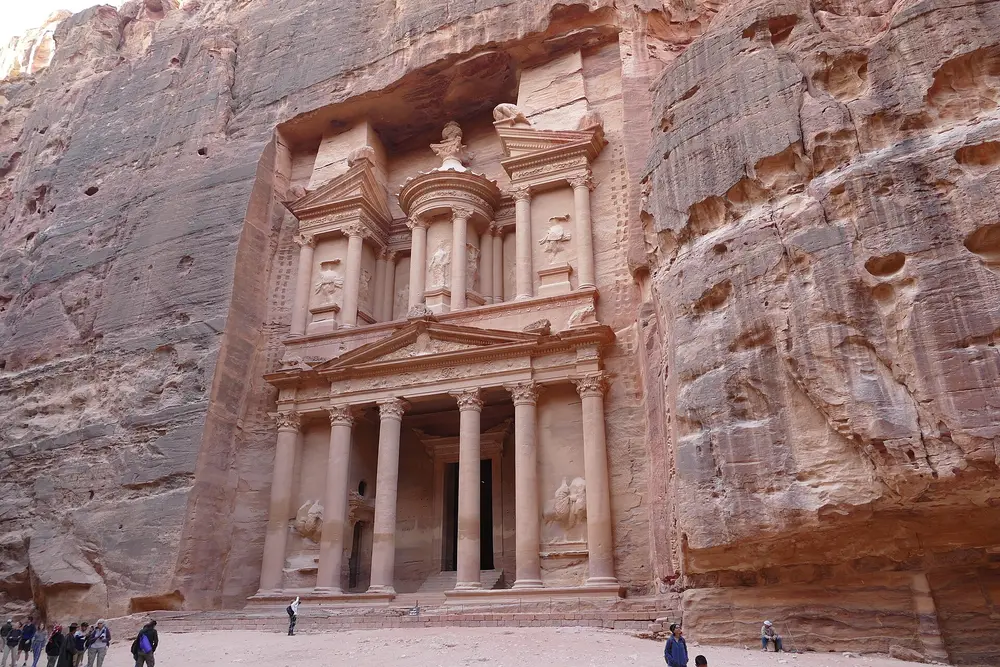
| Petra | March–May, October–November | Midday heat June–August; winter rain and snow |
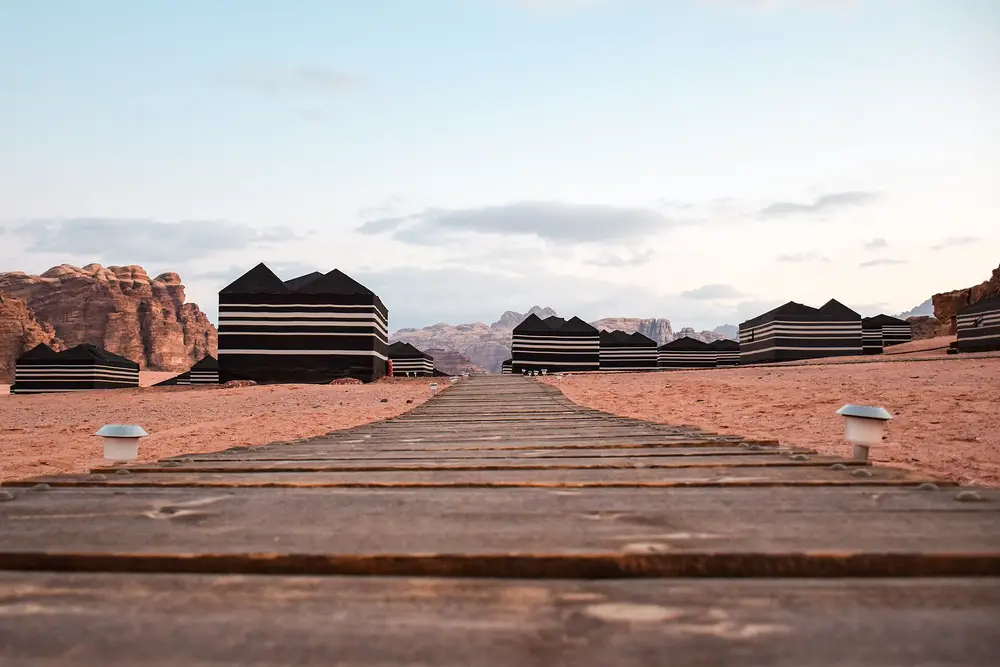
| Wadi Rum | March–May, late September–November | Very hot middays July–August; freezing winter nights |
| Dead Sea | October–April | Extreme heat June–September |
| Aqaba | October–May | Heat June–September; Eid crowds |
| Wadi Mujib Siq Trail | April–October (season) | Closed in winter and after rain |
| Dana and hiking trails | March–May, October–November | Summer heat in the lowlands; winter storms |
Sunrise and sunset
Jordan keeps the same time all year (UTC+3, no clock change). That means late sunrises in winter (Petra's 6 AM opening is before dawn in December) and long, bright summer evenings. In Amman, the sun sets around 5:30 PM local time in December and about 7:45 PM in late June; sunrise ranges from around 7:30 AM in midwinter to about 5:30 AM in midsummer. Plan Petra's early-morning entry and Wadi Rum sunsets around these times, and remember that sites close earlier in winter.
Weather hazards
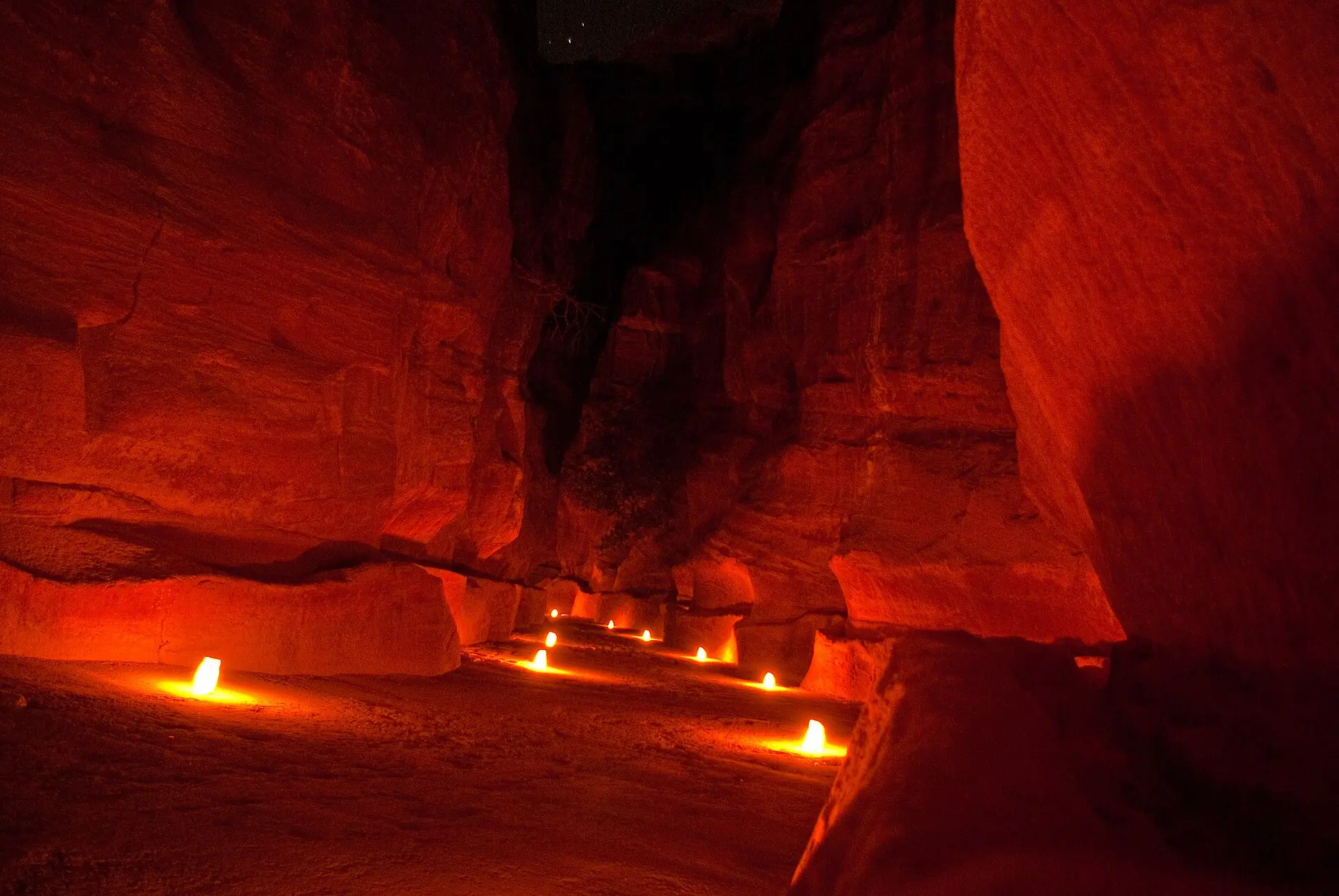
- Flash floods (November–March): heavy rain can flood wadis, including Petra's Siq and Wadi Mujib, sometimes hours after the rain falls upstream. The UK FCDO advises checking forecasts and avoiding wadis for at least a day after heavy rain.
- Snow: a few days in some winters in Amman, Petra, Shobak and Dana; roads can close.
- Heat: summer temperatures of 38–40 °C at the Dead Sea and Aqaba; heat exhaustion is a real risk on long walks.
- Dust storms: occasional in spring, reducing visibility on desert highways.
Month by month, briefly
- January–February: the coldest months; rain and occasional snow in the highlands, mild at the Dead Sea and Aqaba. Quiet sites, low prices.
- March: greening hills and the first wildflowers; still cool nights. Busy around Easter.
- April: perhaps the best month overall — warm days, flowers, long light.
- May: warming up fast; excellent for Wadi Rum mornings, the start of the Wadi Mujib season and the beach.
- June–August: hot and dry; plan early starts and midday rests. Great for canyoning and diving.
- September: still hot, easing late in the month.
- October: the autumn sweet spot — golden light, warm sea, clear desert nights.
- November: mild and clear, with the first rains and the olive harvest.
- December: cool and changeable in the highlands; Christmas in Madaba; winter sun in Aqaba.
Holidays and Ramadan
Islamic holidays follow the lunar calendar and move about 11 days earlier each year. Ramadan in 2027 is expected to begin around 8 February, with Eid al-Fitr around 9–10 March; Eid al-Adha around 17 May 2027 (dates depend on moon sightings). During the Eids, Jordanians travel and Aqaba, the Dead Sea and Wadi Rum fill up. See the events and holidays calendar.
Frequently asked questions
What is the best month to visit Jordan?
April and October are hard to beat; March, May and November are also excellent.
Is it too hot to visit Jordan in summer?
It is hot but manageable with early starts. Avoid midday hiking and allow rest time; the Dead Sea and Aqaba are very hot.
Does it snow in Jordan?
Yes, occasionally in winter in Amman, Petra and the southern highlands, usually for a few days at most.
When is the rainy season in Jordan?
Roughly November to March, with most rain in December, January and February in the northern and central highlands. The south and the desert get very little rain.
Is Jordan hot in October?
Pleasantly warm: around the mid-20s °C in Amman and Petra, around 30 °C at the Dead Sea and in Aqaba, with cool nights in the highlands and the desert.
Is April a good time to visit Jordan?
Excellent — warm days, wildflowers and long light, but it is peak season at Petra and Wadi Rum, so book ahead and start early.
Does Petra get snow?
Occasionally in winter; snow can block roads around Petra for a day or two, and heavy rain can close the Siq.
What is the weather like in Wadi Rum in winter?
Sunny, mild days around the mid-teens °C, but nights can approach freezing. Bring a warm jacket, hat and layers, and choose a camp with heating or plenty of blankets.
When is the sea warmest in Aqaba?
August and September, at around 26–27 °C; the coolest water, about 21 °C, is in late winter.
What is the weather like in Amman in December?
Cool and changeable, with daytime highs around 13–15 °C, cold nights and some rain; snow is possible but rare. The Dead Sea, an hour away, is much milder.
Sources and official information
Facts were checked against these official sources in November 2026. Opening hours, prices and timetables change, so confirm before you go.
JordanTravel.com is an independent guide, not the official site of the Jordan Tourism Board, the Government of Jordan or any operator. Some links are affiliate links: tours go to GetYourGuide and hotels go to Booking.com, and we may earn a commission at no extra cost to you.