In short
- Jordan has seven UNESCO World Heritage Sites, from Petra (1985) to Umm el-Jimal (2024).
- Petra and Wadi Rum alone justify the trip; the Dead Sea float and Jerash complete the classic four.
- Most of the top 10 are included in the Jordan Pass.
- Our ranking weighs uniqueness, condition, setting and how easy each is to visit.
1. Petra
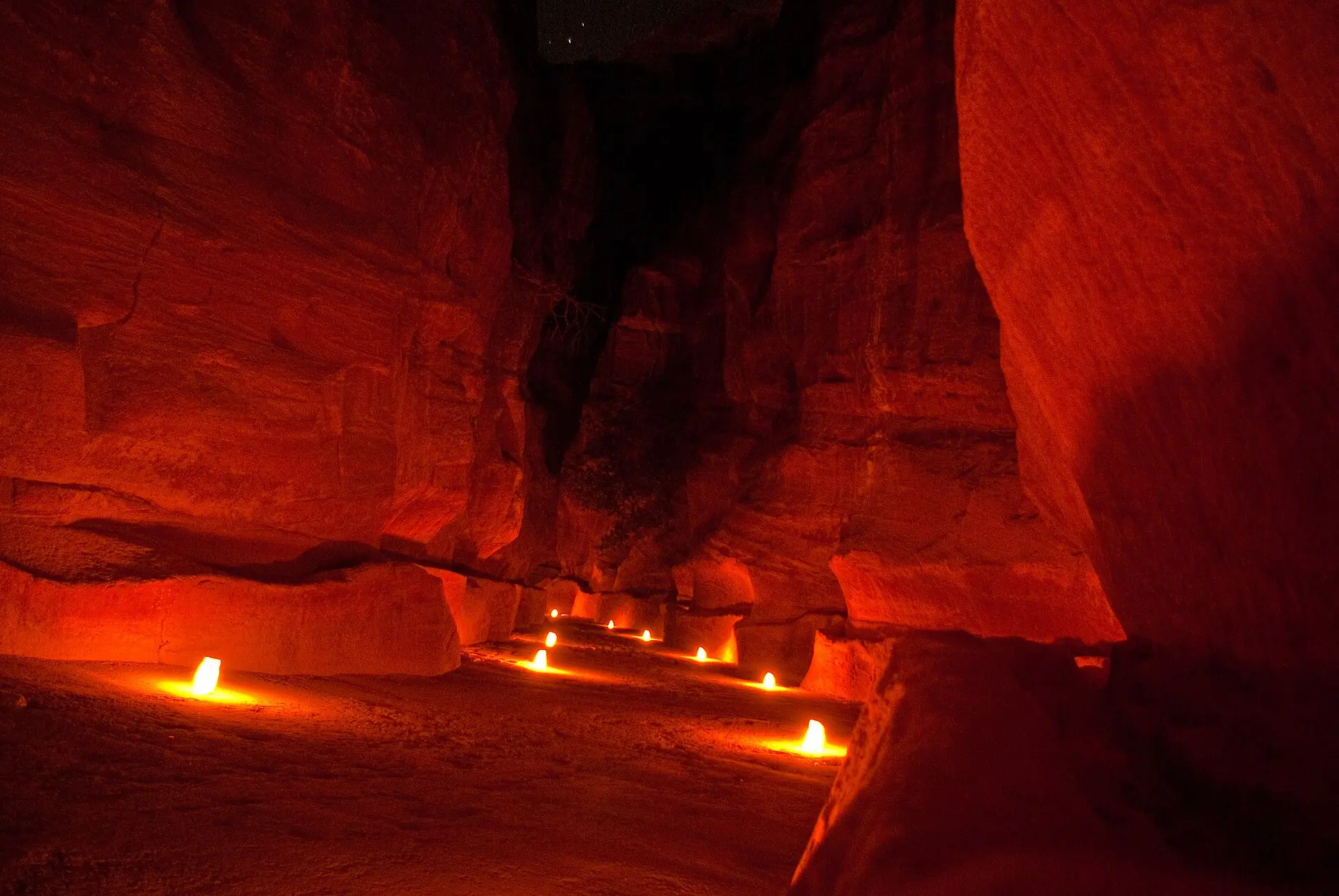
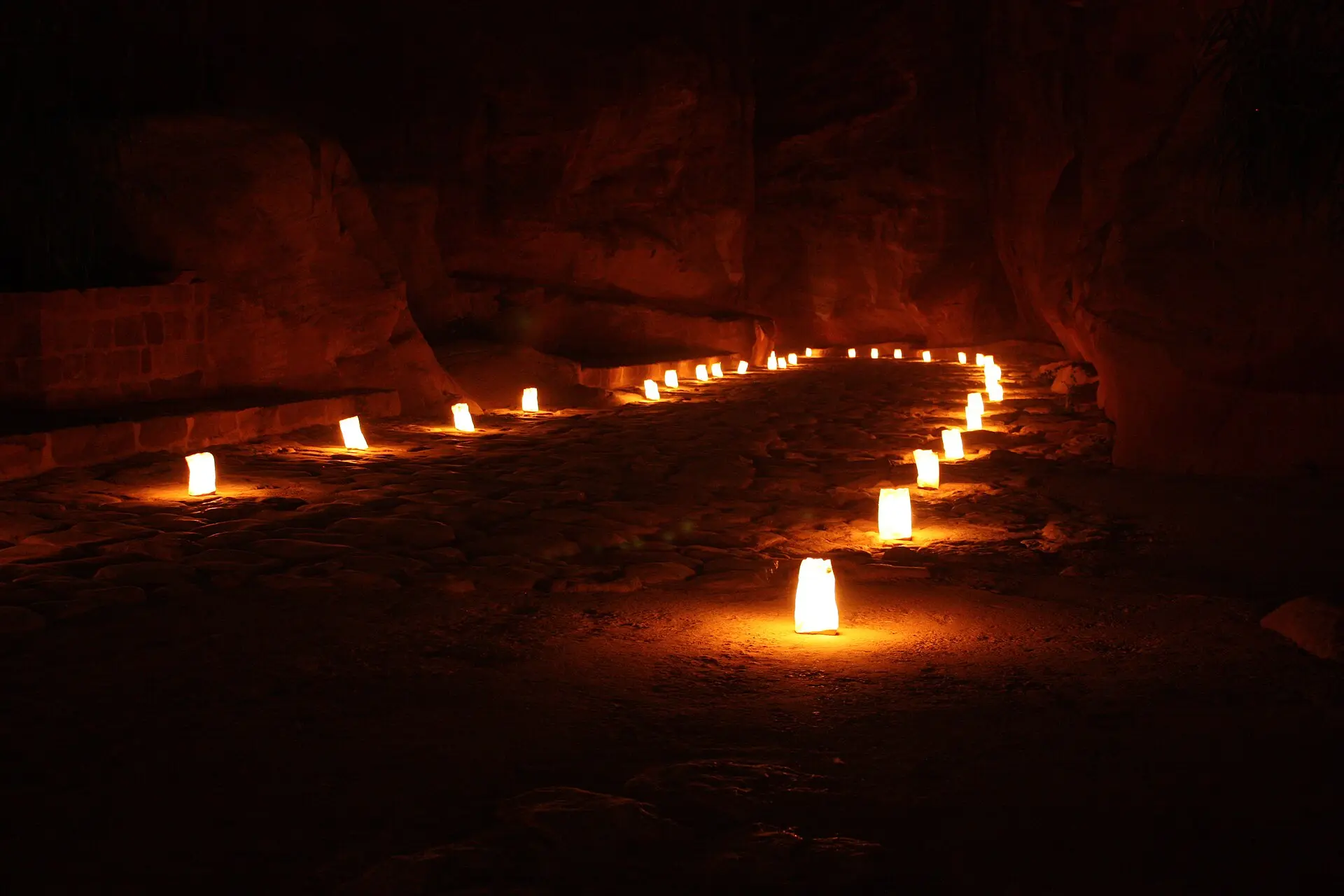
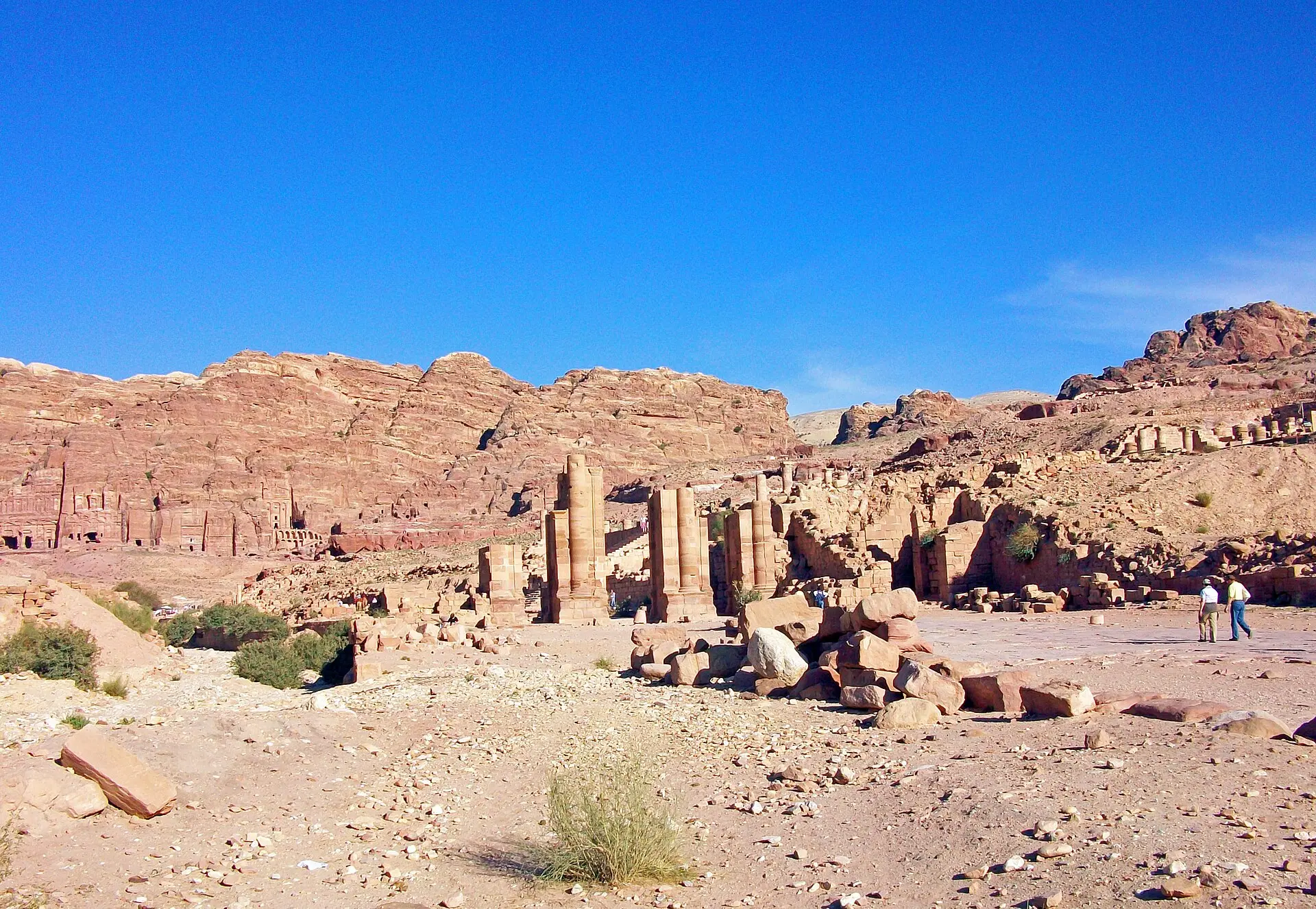
The rose-red Nabataean capital, entered through the 1.2 km Siq to the facade of the Treasury, with royal tombs, a theatre, temples and the climb to the Monastery. UNESCO site since 1985 and a New Seven Wonder of the World. Give it two days. Petra guide →
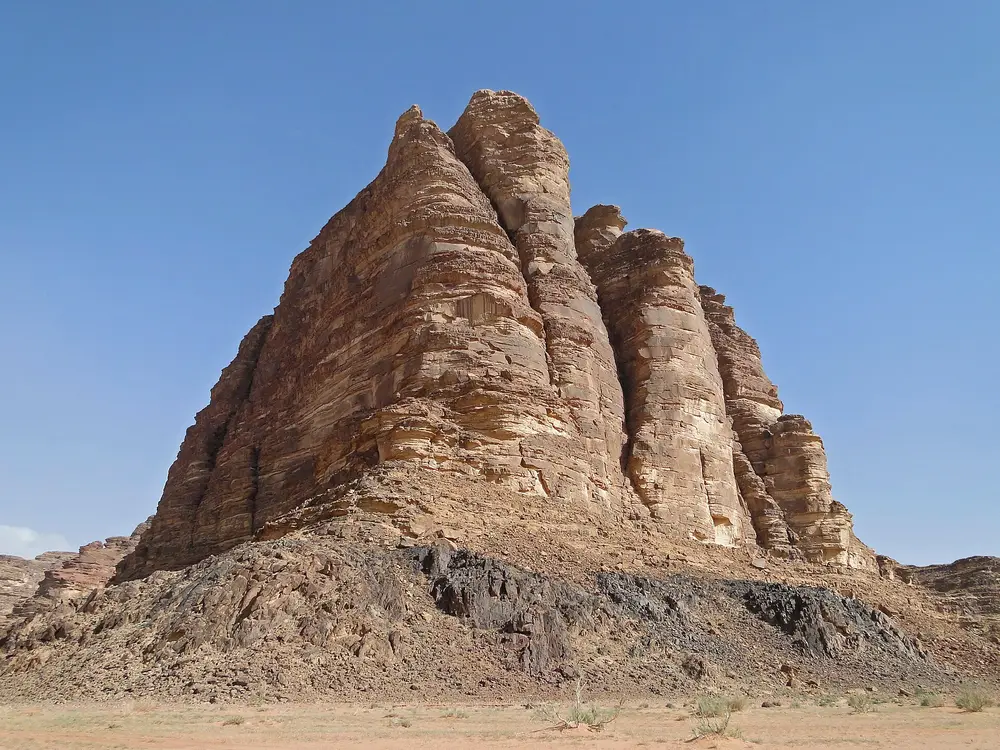
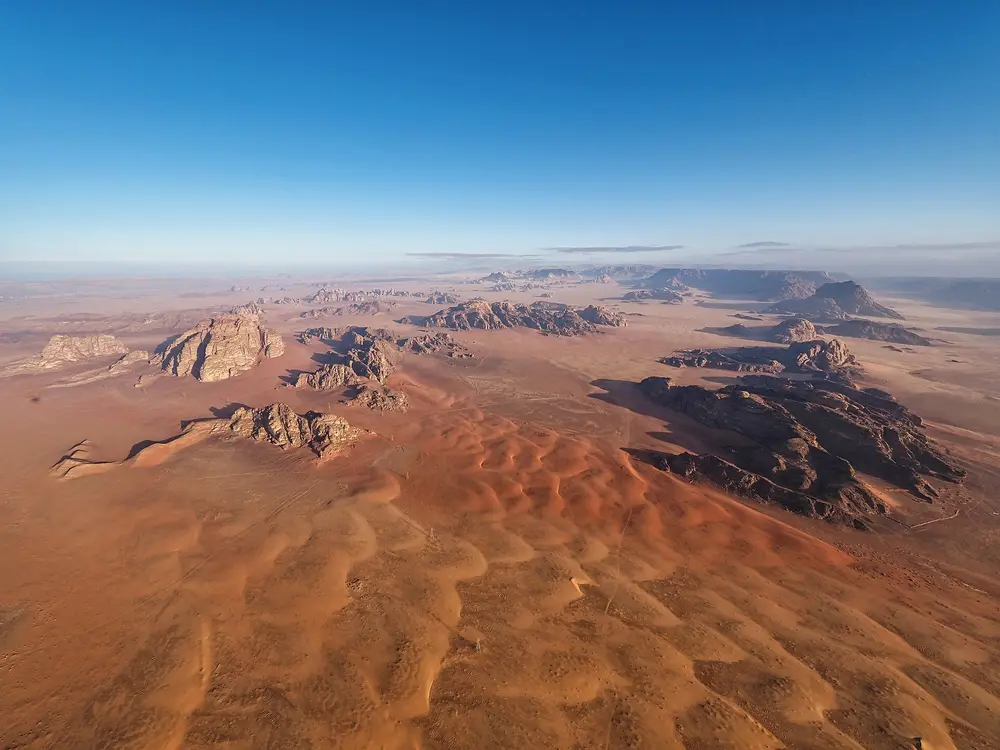
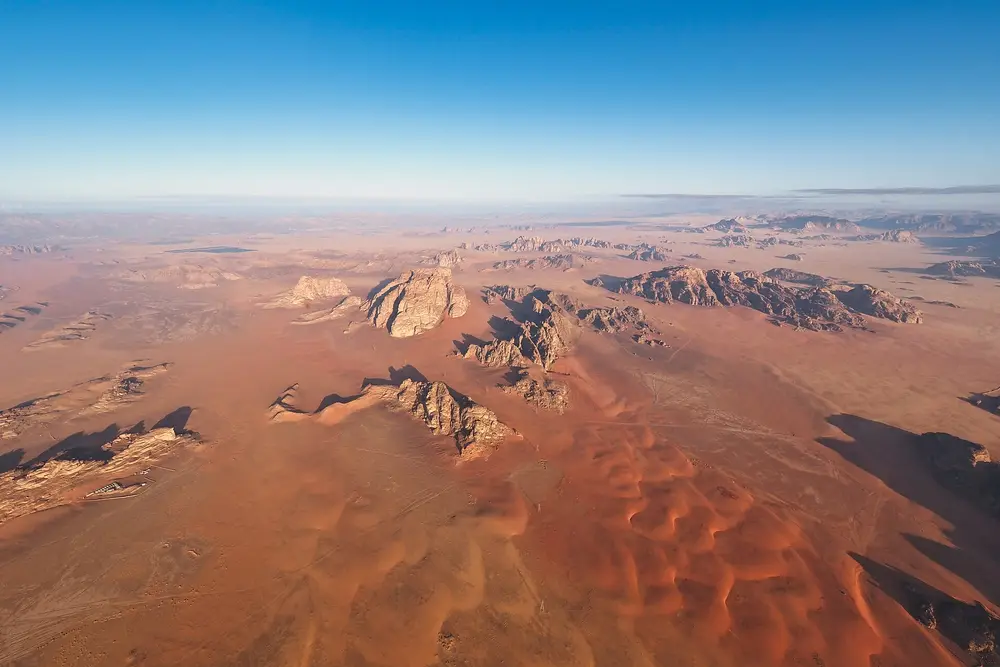
2. Wadi Rum
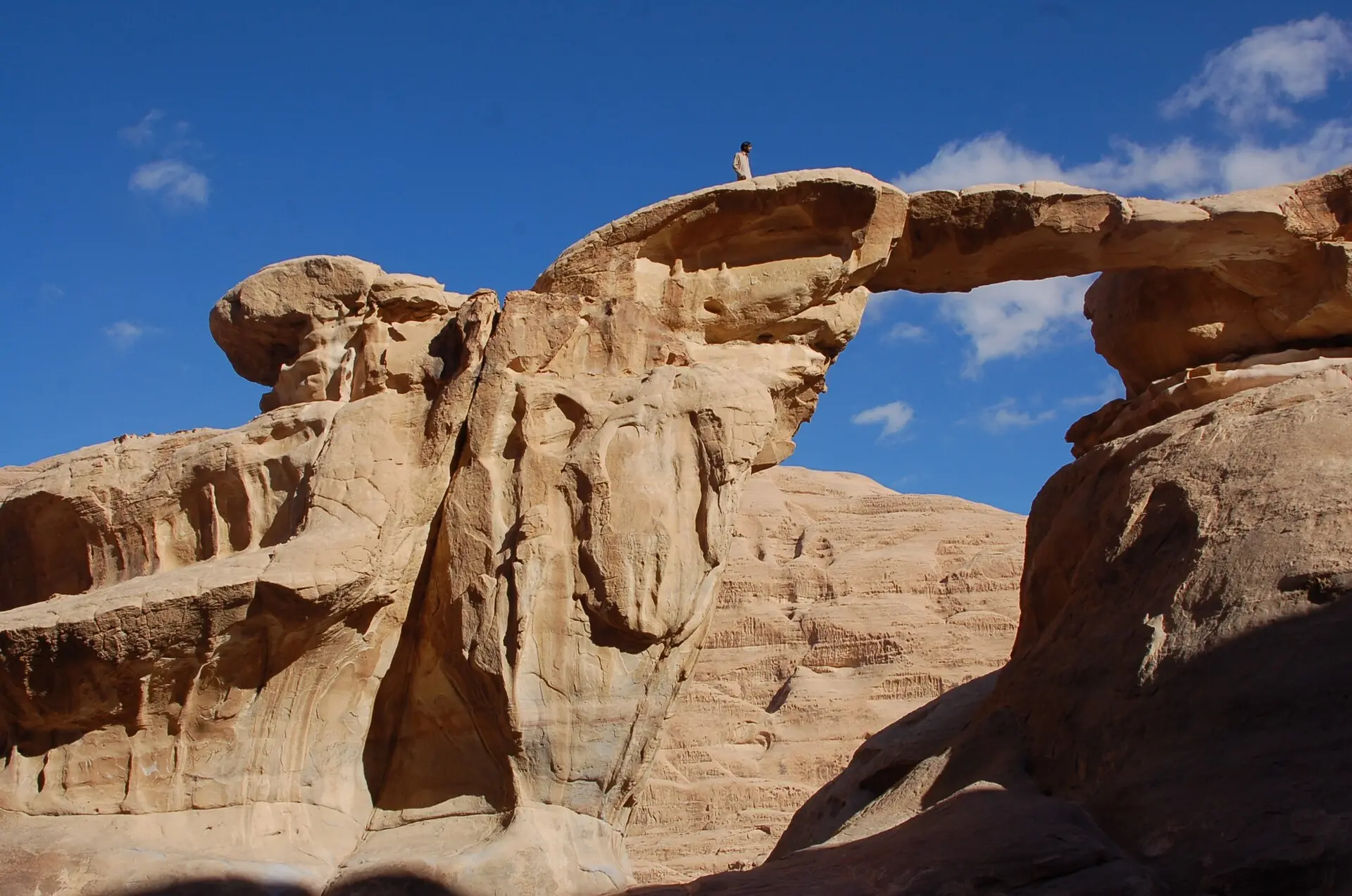
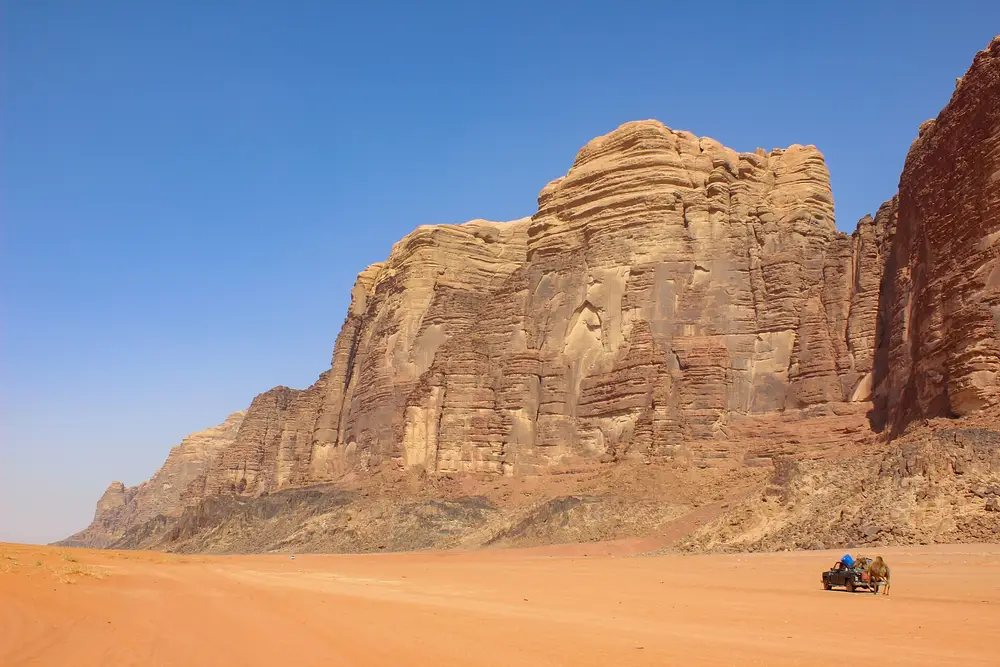
A protected desert of red sand and towering sandstone, explored by 4×4 with Bedouin guides, with a night in a desert camp under brilliant stars. UNESCO mixed site since 2011. Wadi Rum guide →
3. The Dead Sea
Float effortlessly in water ten times saltier than the ocean at the lowest point on earth, about 430 m below sea level, then cover yourself in mineral mud. Under an hour from Amman. Dead Sea guide →
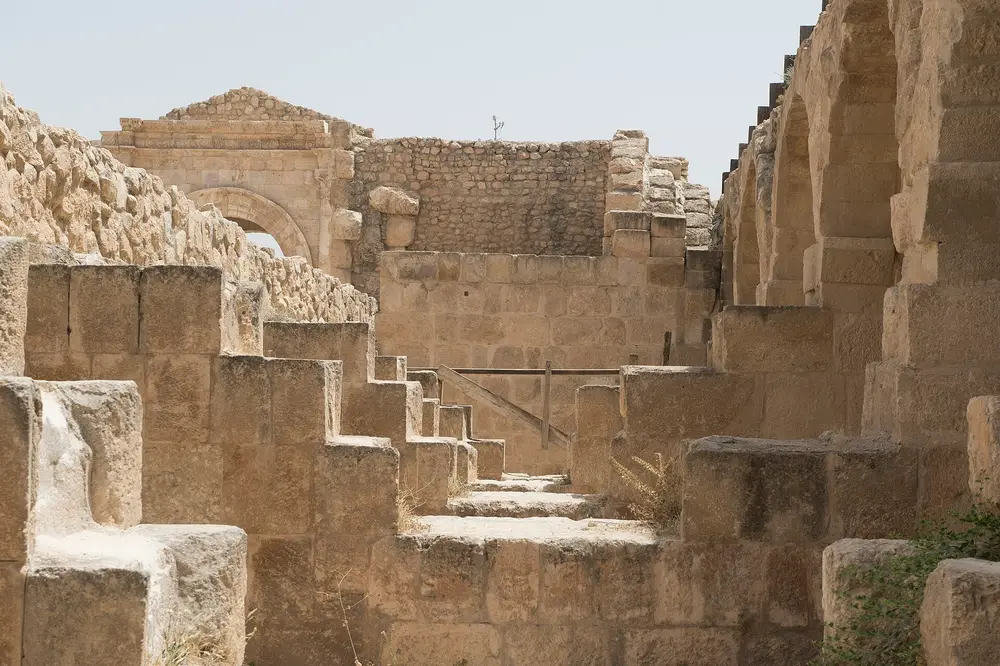
4. Jerash
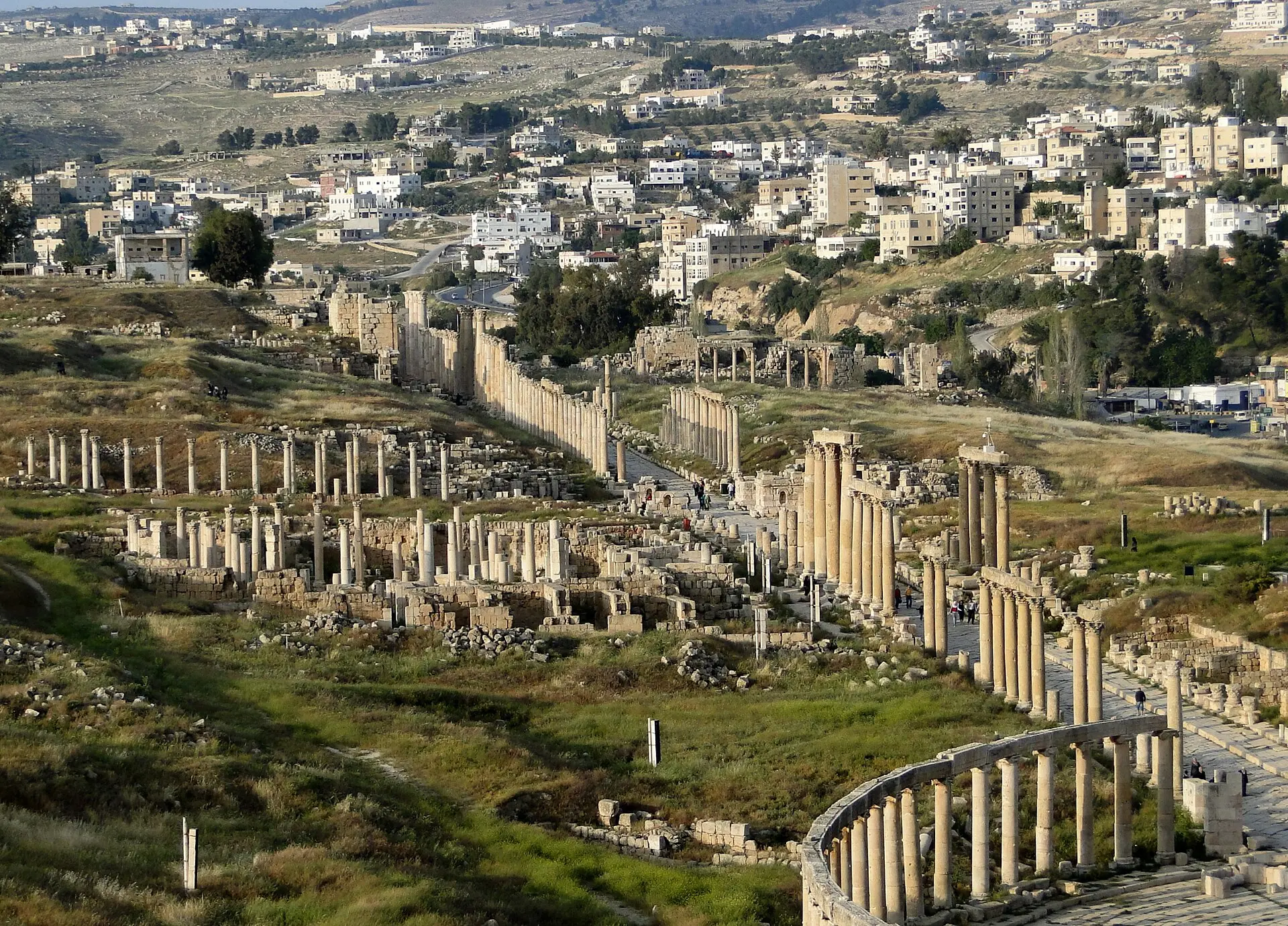
One of the best-preserved Roman provincial cities anywhere: Hadrian's Arch, the Oval Plaza, an 800 m colonnaded street, temples and theatres, an hour north of Amman. Jerash guide → — and in depth on Jerash.com.
5. Amman Citadel and Roman Theatre
The capital's ancient heart: the Temple of Hercules and the Umayyad Palace on the Citadel hill, the 6,000-seat Roman Theatre below and downtown's souks around them. Amman guide →
6. Madaba, Mount Nebo and the Baptism Site
The 6th-century mosaic Map of the Holy Land, the view of the Promised Land from Mount Nebo and the UNESCO-listed Baptism Site on the Jordan River — an easy day from Amman or the Dead Sea. Madaba guide →
7. Aqaba's coral reefs
Some of the Red Sea's most accessible reefs and wrecks, a short swim from the beach on Aqaba's south coast. Aqaba guide →
8. Wadi Mujib Siq Trail
Wade and scramble up a narrow sandstone gorge to a waterfall in the lowest nature reserve on earth (April–October). Wadi Mujib guide →
9. Dana Biosphere Reserve
A stone village on the rim of a vast canyon and a classic hike down to the candle-lit Feynan Ecolodge. Dana guide →
10. Karak Castle
A labyrinthine Crusader and Mamluk fortress on the King's Highway; pair it with Shobak on the way to Petra. Karak & Shobak →
Fees and time needed at the top sights
| Attraction | Fee (foreign visitors) | Jordan Pass | Time needed |
|---|---|---|---|
| Petra | JD 50 / 55 / 60 (1/2/3 days); JD 90 day visitors | Included | 1–3 days |
| Wadi Rum Protected Area | JD 5 | Included | 1–2 nights |
| Jerash | JD 10 | Included | 3–4 h |
| Amman Citadel / Roman Theatre | JD 3 / JD 2 | Included | 2–3 h |
| Mount Nebo | JD 3 | Not included | 1 h |
| Baptism Site | JD 12 | Add-on at JD 8 | 2–2.5 h |
| Wadi Mujib Siq Trail | JD 21 + 16% tax | Not included | Half day |
| Dana Biosphere Reserve | JD 10 + 16% tax | Not included | 1–2 nights |
| Karak Castle | JD 2 | Included | 1.5–2 h |
| Desert castles (each) | JD 3 | Included | Full-day loop |
Jordan's UNESCO World Heritage Sites
Jordan has seven sites on UNESCO's World Heritage List: Petra (1985), Qusayr Amra (1985), Umm ar-Rasas (2004), Wadi Rum Protected Area (2011, a mixed natural and cultural site), the Baptism Site 'Bethany Beyond the Jordan' (2015), As-Salt — the Place of Tolerance and Urban Hospitality (2021), and Umm el-Jimal (2024). Several others, including Jerash, are on Jordan's tentative list. Together they span almost the full sweep of the country's history, from Nabataean and Roman cities to Umayyad frescoes and late-Ottoman town houses.
How to see the top 10 in one trip
A 10-day route covers all ten: start in Amman (Citadel and Theatre) with a day trip to Jerash; drive to Madaba via Mount Nebo and the Baptism Site; float in the Dead Sea and do the Wadi Mujib Siq Trail in season; follow the King's Highway past Karak to Dana for a night; spend two days in Petra; sleep in a Wadi Rum camp; and finish on the reef in Aqaba. Our 10-day itinerary sets it out day by day, and the Jordan Pass covers most of the fees.
Hidden gems
- As-Salt: honey-coloured Ottoman houses and staircases, a UNESCO site 30 minutes from Amman.
- Iraq al-Amir: the Hellenistic palace of Qasr al-Abd in a green valley west of Amman.
- Pella: a quiet Decapolis city in the Jordan Valley.
- Mukawir: Herod's hilltop fortress above the Dead Sea.
- Little Petra: free, small and atmospheric, with a rare painted ceiling.
- Feynan: ancient copper mines and a candlelit ecolodge at the bottom of Dana.
Top sights by region
- Amman and the north: Amman Citadel and Roman Theatre, the Jordan Museum, Jerash, Ajloun Castle, Umm Qais, As-Salt, the desert castles.
- Centre: Madaba's mosaics, Mount Nebo, the Baptism Site, the Dead Sea, Wadi Mujib, Karak Castle, Dana, Shobak.
- South: Petra and Little Petra, Wadi Rum, Aqaba's reefs and fort.
Free and almost-free sights
Some of Jordan's best experiences cost little or nothing. Little Petra is free to enter. The views from the Dana village terraces, the Mujib canyon from the King's Highway, the Dead Sea Panorama area at sunset, Rainbow Street and the souks of downtown Amman, Aqaba's corniche and the public beaches are all free or very cheap. Museums such as the Jordan Museum charge modest fees, and many archaeological sites cost only a few dinars — or nothing extra with the Jordan Pass.
Sightseeing tips
- Start early everywhere: sites are quieter and cooler in the first hours after opening.
- Carry your passport and Jordan Pass together; the pass is checked with your passport at each site.
- Most sites close in the late afternoon, earlier in winter — confirm locally.
- Hire licensed guides at Petra and Jerash for the first hours; read up for the desert castles, where guides are rare.
- Bring water, sunscreen and a hat; shade is limited at most ruins.
If you only see five
With limited time, prioritise Petra (two days if possible), a night in Wadi Rum, a float in the Dead Sea, Jerash and the Amman Citadel. These five cover Jordan's essential story — Nabataean, Roman, Umayyad and Bedouin — and its three signature landscapes: sandstone canyons, red desert and the lowest point on Earth. They can be linked in five or six days by car or with JETT coaches and a couple of tours. Add Madaba and Mount Nebo if you sleep near the airport, and Aqaba if you finish in the south.
Opening hours in general
Most archaeological sites open around 8 AM and close in the late afternoon, earlier in winter; Petra opens at 6 AM. On Fridays and during Ramadan, hours can be shorter, and museums may close on some public holidays. The Jordan Tourism Board's fee list is a useful starting point, but always confirm times locally before planning a long drive to a single site.
Also worth your time
- Qusayr Amra and the desert castles — Umayyad frescoes (UNESCO) — desert castles
- Ajloun Castle and Umm Qais — the green north
- Little Petra — free and quiet, near Petra
- As-Salt — UNESCO-listed Ottoman-era town 30 minutes from Amman
- Umm ar-Rasas — UNESCO mosaics south of Madaba
- The Jordan Museum — 'Ain Ghazal statues and Dead Sea Scrolls in Amman
Amman: Petra, Wadi Rum and Dead Sea 2-day tour
The classic short loop from Amman: a guided day in Petra, a night in a Wadi Rum camp and a float in the Dead Sea on the way back. Rated 4.9/5 from about 1,570 reviews on GetYourGuide (as of November 2026).
Check availabilityBook via GetYourGuide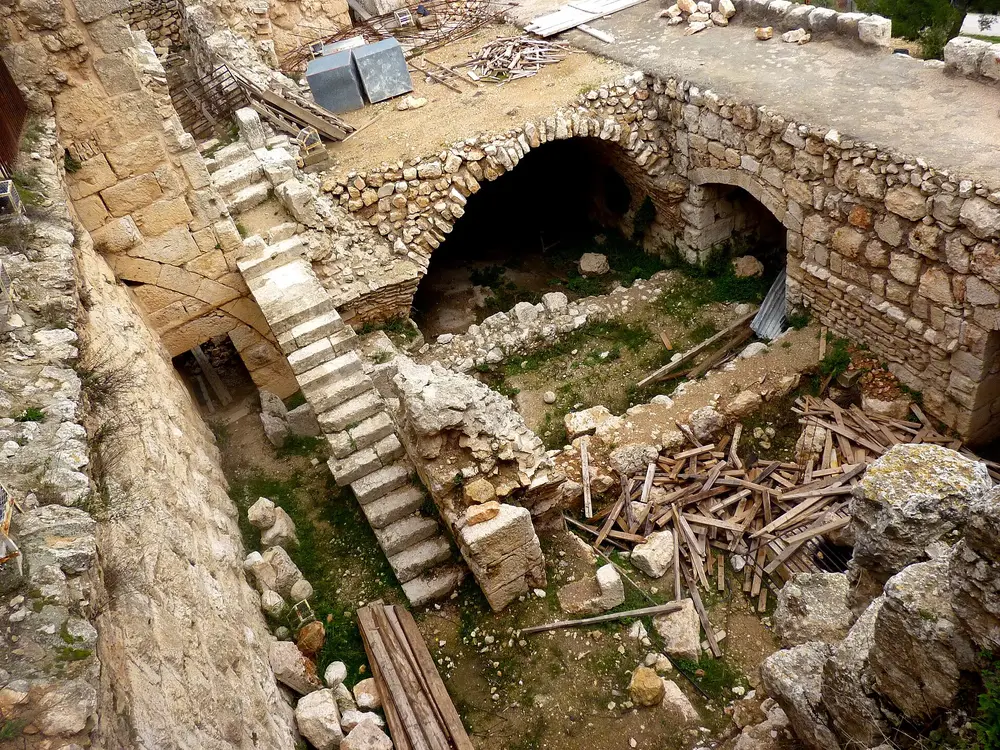
Private or shared Jerash, Ajloun Castle and Umm Qais day tour
All three northern highlights in one day from Amman, with a choice of private car or a shared group. 4.9/5 from about 270 reviews (as of November 2026).
Check availabilityBook via GetYourGuide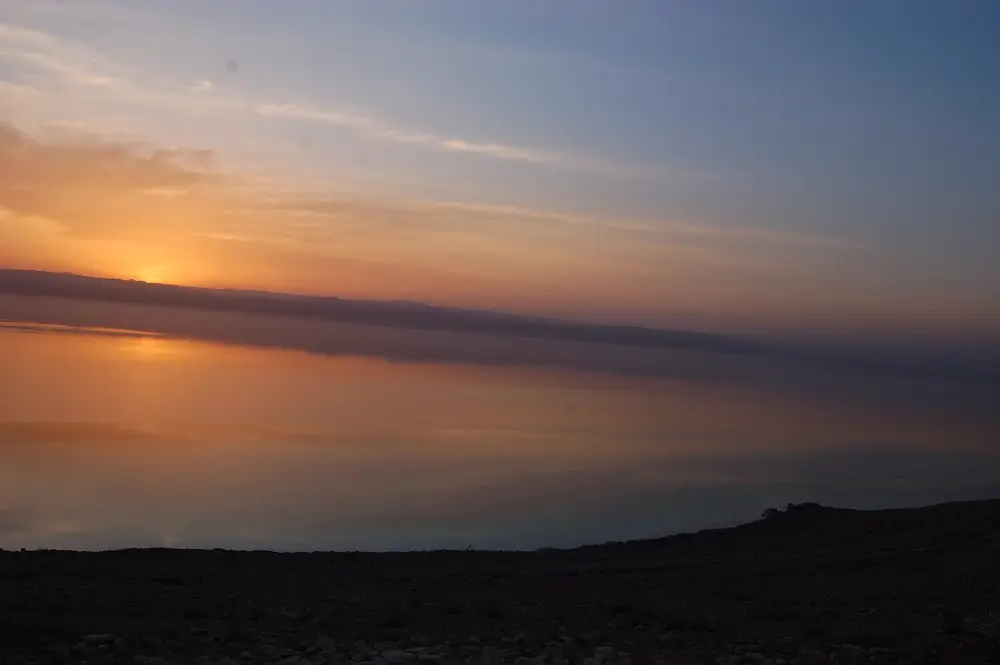
Amman day trip: Madaba, Mount Nebo, Baptism Site and Dead Sea
Four stops in one day from Amman, finishing with a float at a Dead Sea beach. 4.9/5 from about 115 reviews (as of November 2026).
Check availabilityBook via GetYourGuideTour listings are on GetYourGuide. Prices, times and cancellation terms are shown live on each listing and can change; JordanTravel.com may earn a commission at no extra cost to you.
Frequently asked questions
What is the number one attraction in Jordan?
Petra — one of the world's great archaeological sites and Jordan's most visited attraction.
How many UNESCO sites does Jordan have?
Seven as of November 2026: Petra (1985), Qusayr Amra (listed by UNESCO as Quseir Amra, 1985), Umm ar-Rasas (2004), Wadi Rum Protected Area (2011), the Baptism Site (2015), As-Salt (2021) and Umm el-Jimal (2024).
Is Jerash a UNESCO World Heritage Site?
Not yet — it is on Jordan's tentative list. Jordan's inscribed sites are Petra, Qusayr Amra, Umm ar-Rasas, Wadi Rum, the Baptism Site, As-Salt and Umm el-Jimal.
What is the best attraction in Jordan besides Petra?
Wadi Rum for most travellers, followed by the Dead Sea and Jerash. Hikers often rank Dana and Wadi Mujib just as highly.
Which Jordan attractions need booking in advance?
Wadi Rum camps, RSCN guided trails (Wadi Mujib's Canyon and Malaqi trails, Dana guides), Feynan Ecolodge and private tours in peak season. Petra and Jerash tickets are bought at the gate or covered by the Jordan Pass.
Is Little Petra worth visiting?
Yes — it is free, quiet and has a rare painted ceiling; allow an hour, ideally on the way to or from Petra.
What is the Jordan Museum known for?
The 'Ain Ghazal plaster statues, among the oldest large human figures ever found, and fragments of the Dead Sea Scrolls with the Copper Scroll.
Sources and official information
Facts were checked against these official sources in November 2026. Opening hours, prices and timetables change, so confirm before you go.
JordanTravel.com is an independent guide, not the official site of the Jordan Tourism Board, the Government of Jordan or any operator. Some links are affiliate links: tours go to GetYourGuide and hotels go to Booking.com, and we may earn a commission at no extra cost to you.