In short
- Jordan covers about 89,000 km² and has around 11.5 million people; Amman is the capital.
- Arabic is the official language; English is widely spoken in tourism.
- Most Jordanians are Sunni Muslims; Christian communities have lived here since the earliest centuries of Christianity.
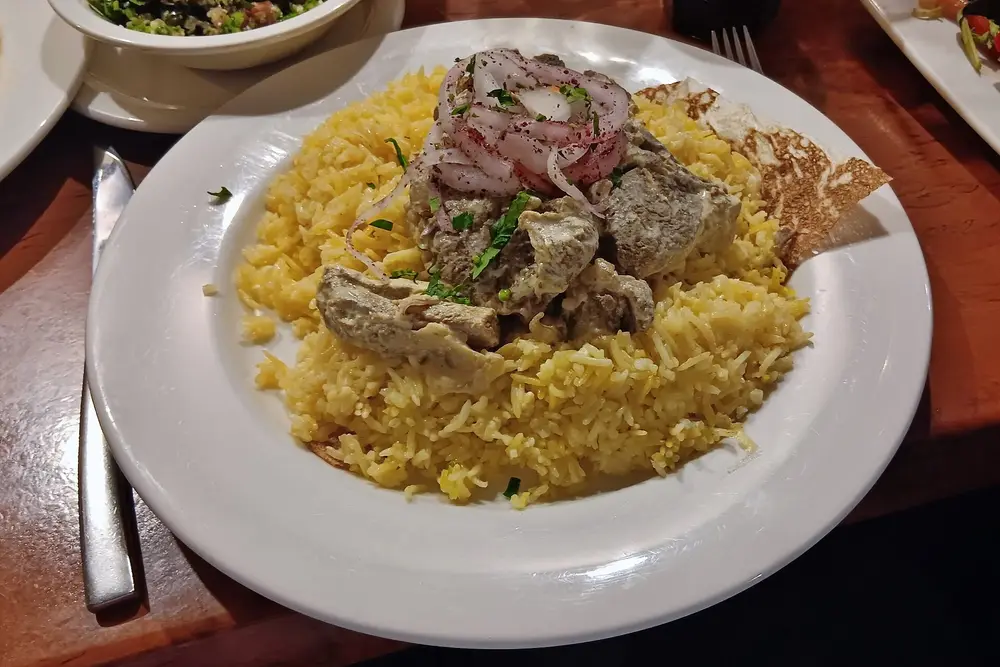
- Hospitality — karam — is at the heart of the culture, from Bedouin coffee to family feasts of mansaf.
Jordan at a glance
- Official name
- The Hashemite Kingdom of Jordan
- Capital
- Amman
- Area
- ≈ 89,300 km²
- Population
- ≈ 11.5 million (Department of Statistics estimate)
- Head of state
- King Abdullah II (since 1999)
- Language
- Arabic (official); English widely used
- Currency
- Jordanian dinar (JD), pegged to the US dollar
- Time zone
- UTC+3 all year
- Highest point
- Jabal Umm ad Dami, ≈ 1,850 m
- Lowest point
- Dead Sea shore, ≈ 430 m below sea level
Geography: three landscapes
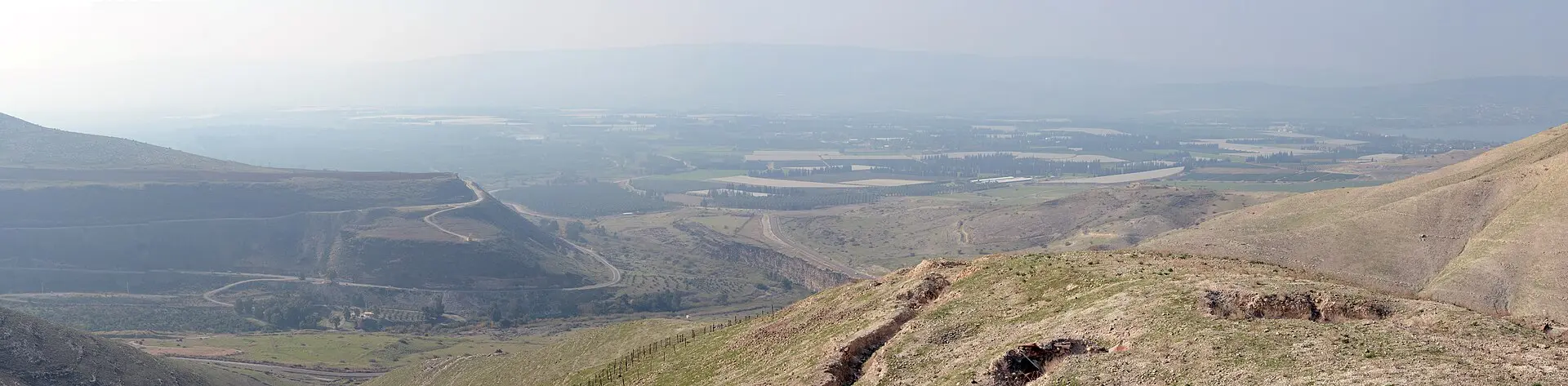
Jordan sits on the eastern side of the Great Rift Valley. In the west, the Jordan Valley, the Dead Sea and Wadi Araba form a deep trough running south to the Red Sea at Aqaba. Above it rise the highlands — a plateau of limestone and, in the south, sandstone and granite — where most people live and most historic sites stand. East of the highlands, the Badia desert covers about three-quarters of the country, stretching to Iraq and Saudi Arabia.
Water is the country's great constraint: Jordan is among the most water-scarce countries in the world, which is why you will see water tanks on every roof and why conservation is a national priority.
People and languages
Jordanians are a mix of East Bank families with tribal and Bedouin roots, Jordanians of Palestinian origin, and smaller communities of Circassians, Chechens and Armenians. The country has also welcomed large numbers of refugees over the decades. Arabic is spoken everywhere; Jordanian dialect is easy to pick up phrases in — marhaba (hello), shukran (thank you), ahlan wa sahlan (welcome), yalla (let's go). Signs are bilingual in Arabic and English.
Religion
Islam is the state religion, and the large majority of Jordanians are Sunni Muslims. Christians — Greek Orthodox, Catholic, Protestant and others — make up a small but long-established minority and are especially visible in Madaba, Fuheis, Karak and parts of Amman. The Hashemite royal family traces its descent to the Prophet Muhammad and has custodianship of Islamic and Christian holy sites in Jerusalem. Jordan is also home to biblical sites venerated by Christians, Muslims and Jews, including Mount Nebo and the Baptism Site.
Bedouin heritage and hospitality
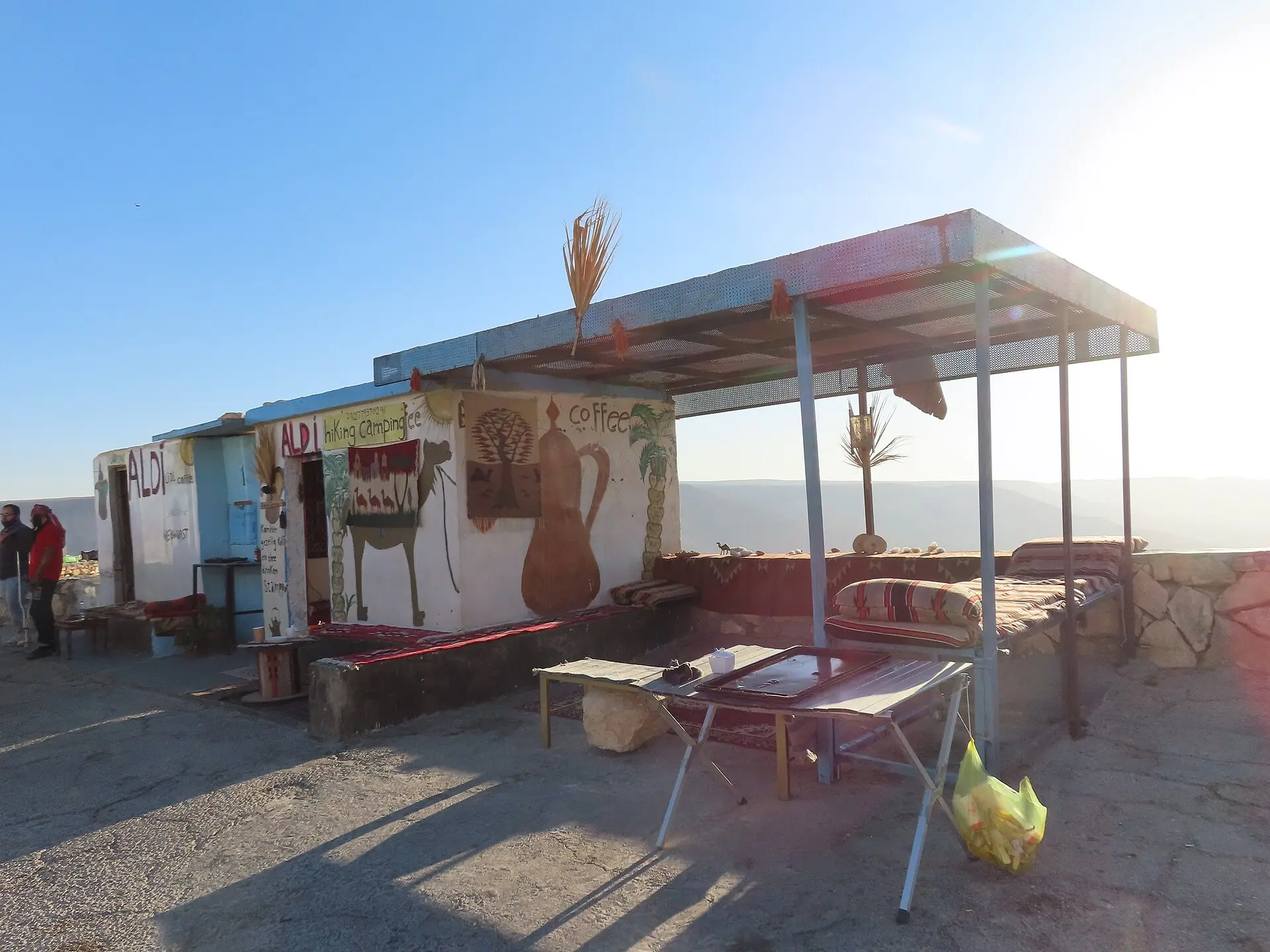
Bedouin traditions shape Jordanian identity far beyond the desert. The goat-hair tent (beit al-sha'ar), bitter cardamom coffee poured from a brass dallah, the code of protecting a guest for three days, and poetry and music around the fire are all part of national culture — you will meet them in Wadi Rum, Petra and at family gatherings. Expect to be offered tea constantly; accepting a cup is a pleasure and a courtesy.
Everyday culture
- Food is central: mansaf for celebrations, falafel and hummus for breakfast, knafeh any time — see food and drink.
- Family comes first; weekends (Friday–Saturday) are for family lunches and outings.
- Dress is modest; many women wear the hijab, and the red-and-white shemagh headscarf is a symbol of Jordan.
- Football unites the country — Jordan played its first FIFA World Cup in 2026.
- The King and the flag are respected; avoid criticising the royal family.
Nature and wildlife
Despite its dryness, Jordan has remarkable biodiversity because it spans Mediterranean, desert and tropical African habitats. The Royal Society for the Conservation of Nature, founded in 1966, manages reserves such as Dana, Mujib, Ajloun, Azraq and Shaumari, where the Arabian oryx was brought back from near extinction. The Rift Valley is also one of the world's great bird-migration routes. The black iris is the national flower.
Arts, music and modern Jordan
Amman has a lively art scene — Darat al-Funun, the Jordan National Gallery of Fine Arts and small galleries in Weibdeh and Jabal Amman — plus film (the Royal Film Commission supports productions shot in Wadi Rum and beyond), music festivals and a growing food and design culture. Jordanians are young: a large share of the population is under 30, connected and often fluent in English.
Jordan and its neighbours
Jordan borders Syria to the north, Iraq to the north-east, Saudi Arabia to the east and south, and Israel and the West Bank to the west, with a short Red Sea coastline at Aqaba. That position has shaped its modern history: the kingdom has absorbed several waves of refugees — Palestinians from 1948 and 1967, Iraqis after 2003 and Syrians after 2011 — and many Jordanians have family ties across the region. Despite the conflicts around it, Jordan has remained one of the most stable countries in the Middle East, and tourism is a pillar of its economy.
For visitors, this means a country that is used to welcoming outsiders and is proud of its reputation for hospitality, but also one where regional events are felt closely. Since early 2026 the wider region has been tense; check your government's travel advice before and during your trip, and see our travel tips for the current situation.
Etiquette for visitors
Jordanian hospitality is famous, and small gestures go a long way. Greet people with 'as-salamu alaykum' (peace be upon you) — the reply is 'wa alaykum as-salam' — and shake hands with men; with women, wait to see whether a hand is offered. Accept tea or coffee when it is offered; it is a sign of welcome. Use your right hand to eat, pass and receive things. Dress modestly in towns and religious sites. Ask before photographing people, especially women, and do not photograph military or police sites. If you are invited into a home, take off your shoes if your hosts do, bring sweets or pastries, and expect to be offered more food than you can eat.
Jordanians are generally open about politics and religion in conversation, but visitors should listen more than they lecture, and be sensitive about the regional situation — many Jordanian families have relatives in Palestine, Iraq and Syria.
Useful Arabic phrases
| English | Arabic (transliterated) |
|---|---|
| Hello | Marhaba / as-salamu alaykum |
| Thank you | Shukran |
| Please | Min fadlak (to a man) / min fadlik (to a woman) |
| Yes / no | Na'am (or aiwa) / la |
| How much? | Addesh? |
| Without sugar | Bala sukkar |
| The meter, please (taxi) | Il-addad, min fadlak |
| Goodbye | Ma'a salama |
| God willing | Inshallah |
Daily life in Jordan today
Most Jordanians live in cities — Amman, Zarqa and Irbid together hold a large share of the population — and the country is young, with a big student population and a lively café culture. Family remains at the centre of life: weekends mean long lunches with relatives, and weddings fill hotels and gardens in summer. Jordanians are proud of their hospitality, their army, their football team and their monarchy, and conversations often turn to politics, the economy and the region. Tourism, services, phosphate and potash mining, and remittances from Jordanians working abroad are mainstays of the economy, and water scarcity is one of the country's biggest challenges — Jordan is among the most water-poor countries in the world, so use water carefully.
Why visit Jordan
Few countries pack so much into so little space: one of the world's great ancient cities in Petra, a cinematic desert, the lowest point on earth, Roman, Byzantine, Islamic and Crusader monuments, coral reefs, long-distance hiking and some of the warmest hospitality anywhere. Start planning with our destinations and itineraries.
Frequently asked questions
What language is spoken in Jordan?
Arabic; English is widely spoken in hotels, restaurants and tourism.
Is Jordan a Muslim country?
Yes, Islam is the state religion and most Jordanians are Sunni Muslims, with a long-established Christian minority.
Who is the King of Jordan?
King Abdullah II, who acceded to the throne in 1999; Jordan is a constitutional monarchy with an elected parliament.
Is Jordan conservative?
Moderately: Amman is cosmopolitan, while towns and villages are more traditional. Modest dress and respect for local customs are appreciated everywhere.
What is Jordan famous for?
Petra, Wadi Rum, the Dead Sea, Roman Jerash, Bedouin hospitality, mansaf and some of the region's most welcoming people.
Is English widely spoken in Jordan?
Yes in tourism, hotels, restaurants and among younger, educated Jordanians; road signs are in Arabic and English. A few words of Arabic are warmly appreciated.
Why is water scarce in Jordan?
Low rainfall, a growing population and limited rivers make Jordan one of the world's most water-poor countries. Visitors can help by taking short showers and reusing towels.
What is the Jordanian flag?
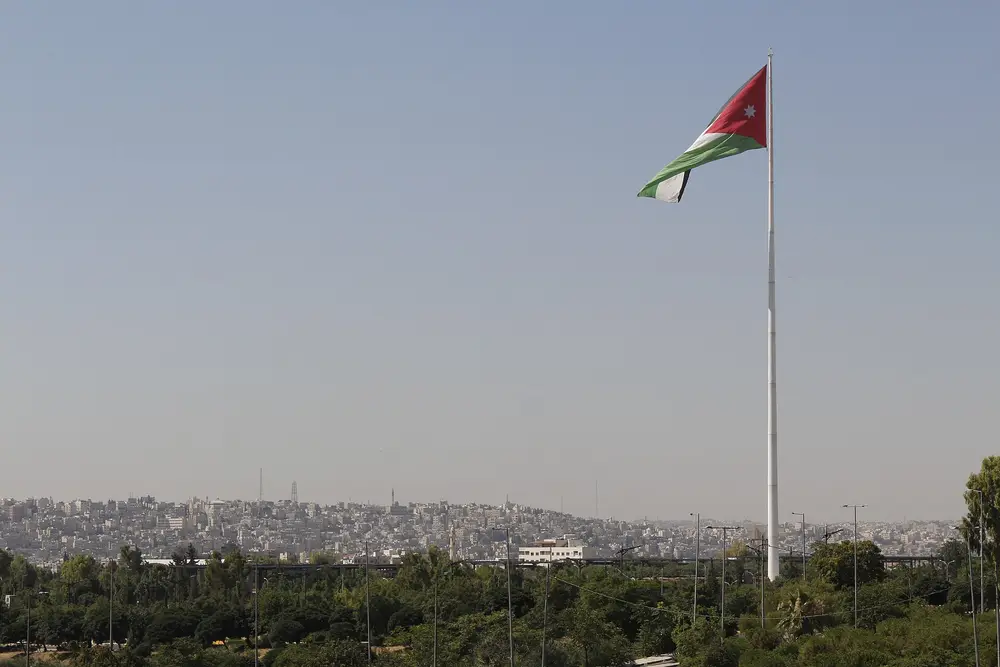
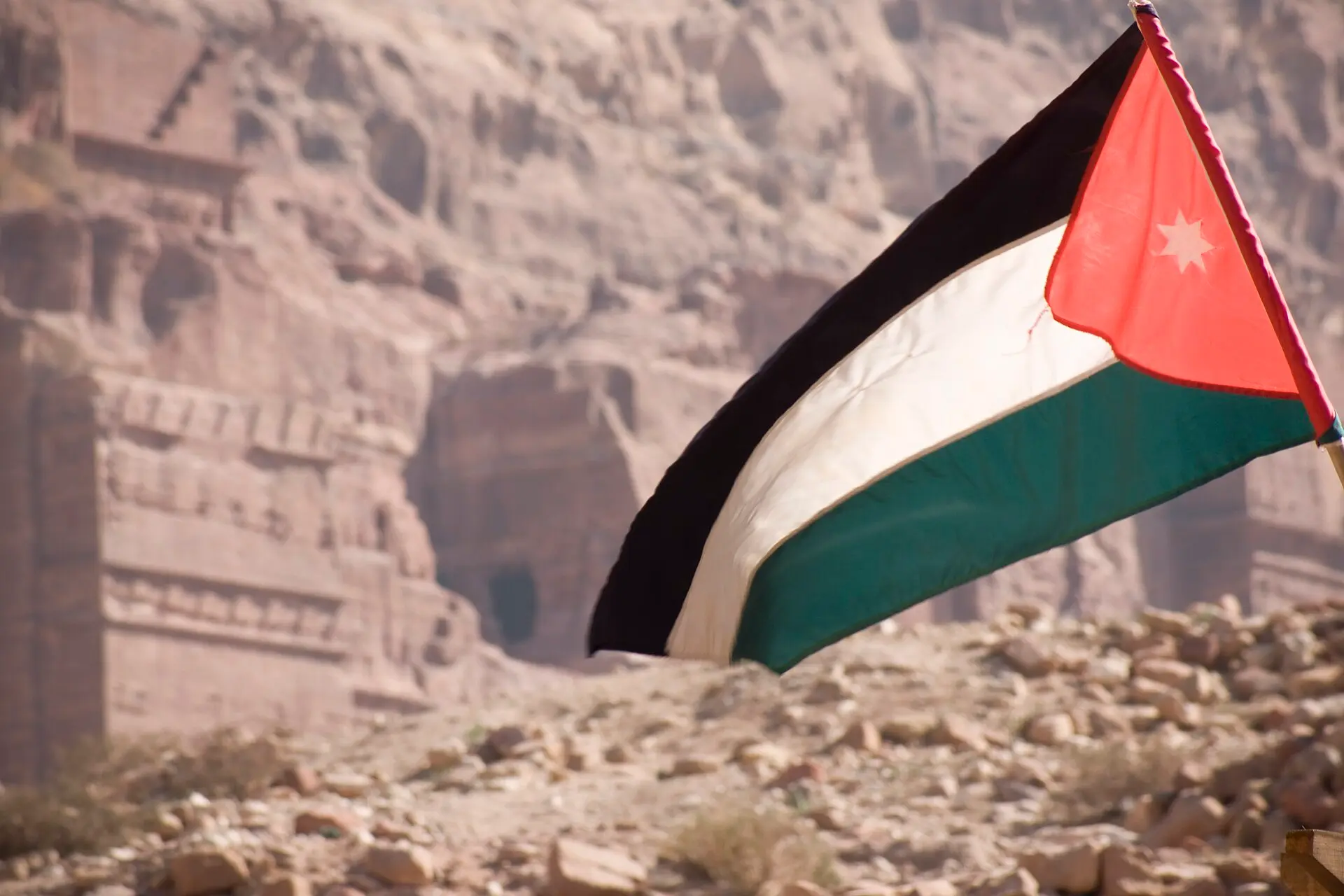
Black, white and green horizontal stripes with a red triangle at the hoist containing a white seven-pointed star; the colours recall the Great Arab Revolt.
Do Jordanians speak French or German?
Many guides and hotel staff speak several languages, especially in Petra and Amman; English is the most common second language.
Sources and official information
Facts were checked against these official sources in November 2026. Opening hours, prices and timetables change, so confirm before you go.
JordanTravel.com is an independent guide, not the official site of the Jordan Tourism Board, the Government of Jordan or any operator. Some links are affiliate links: tours go to GetYourGuide and hotels go to Booking.com, and we may earn a commission at no extra cost to you.