In short
- Best: March–May (flowers) and October–November (olive harvest).
- Summer is cooler than Amman in the forest.
Seasons
| Season | Weather | Highlights |
|---|---|---|
| Spring | ≈ 16–25 °C | Wildflowers, green hills |
| Summer | ≈ 28–31 °C | Shady forest walks |
| Autumn | ≈ 20–27 °C | Olive harvest (Oct–Nov) |
| Winter | ≈ 10–13 °C | Rain, fog, occasional snow on the heights |
Book tours in Ajloun & Umm QaisLive times, prices and free cancellation terms on GetYourGuide.
Check availabilitySpring in the north
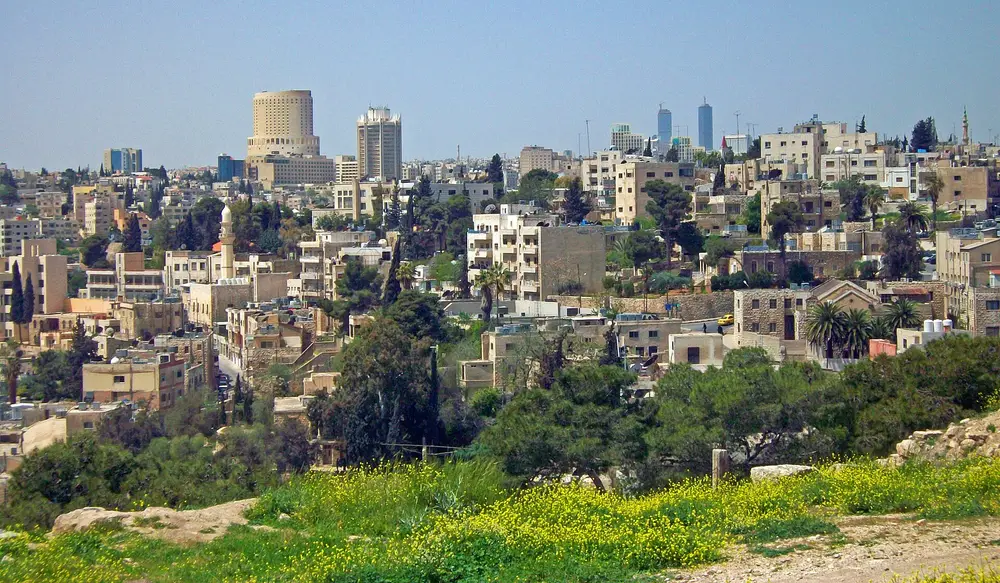
March and April are spectacular: the hills turn green, wild flowers including anemones and irises bloom, and temperatures are ideal for walking.
Olive harvest
In October and November families harvest olives across the north; you may be invited to help or to taste fresh oil at a press.
Winter
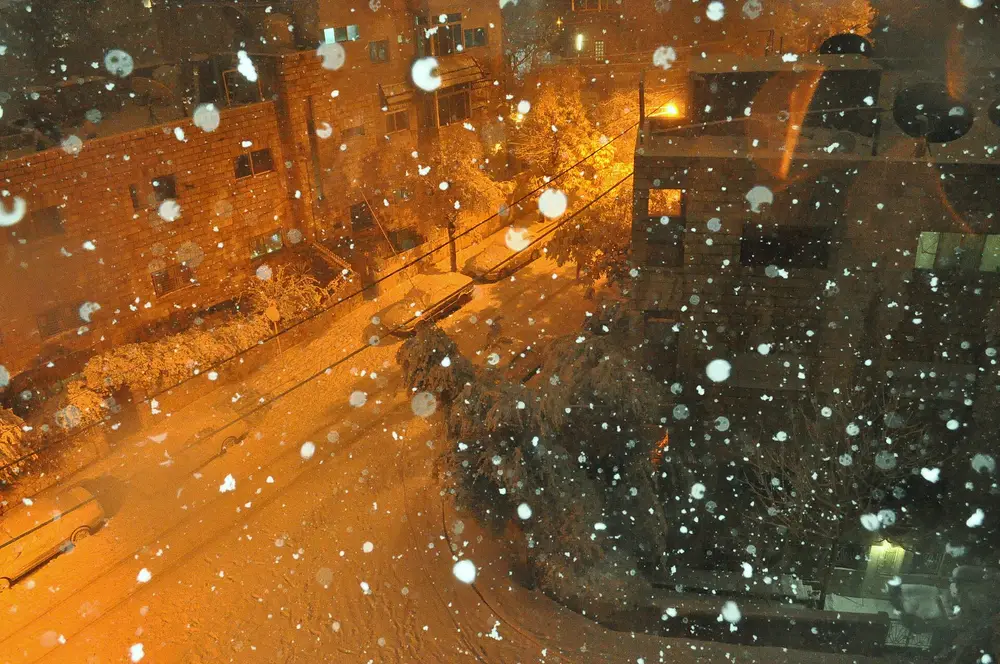
The northern hills are among the wettest parts of Jordan, with fog and occasionally snow. Trails can be muddy, but the forest is atmospheric.
Summer escape
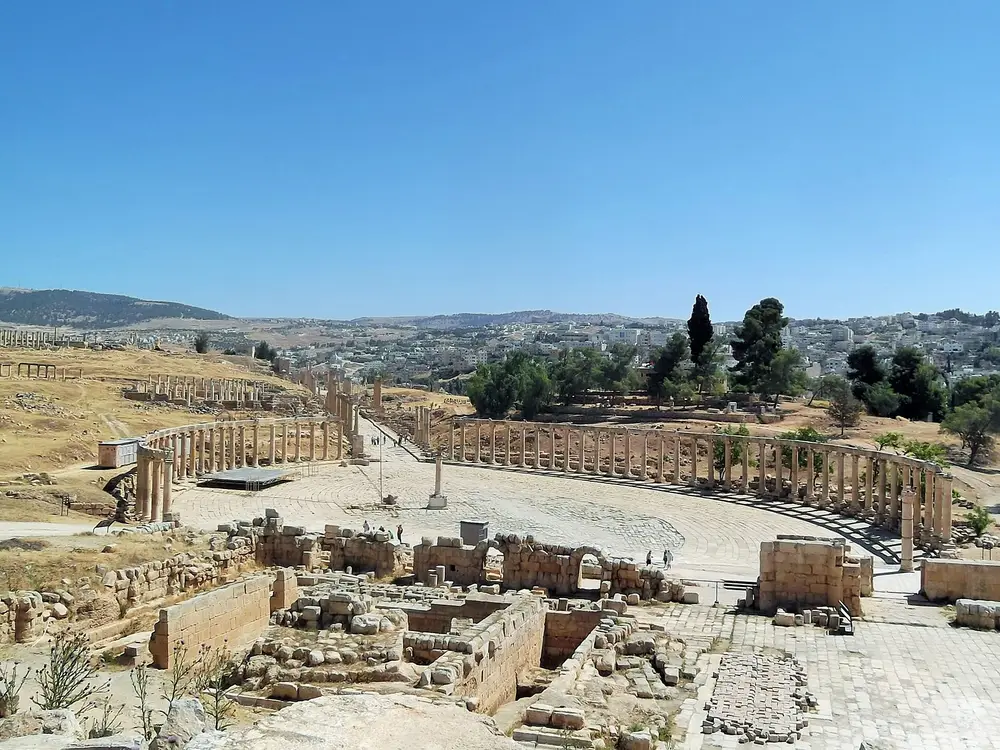
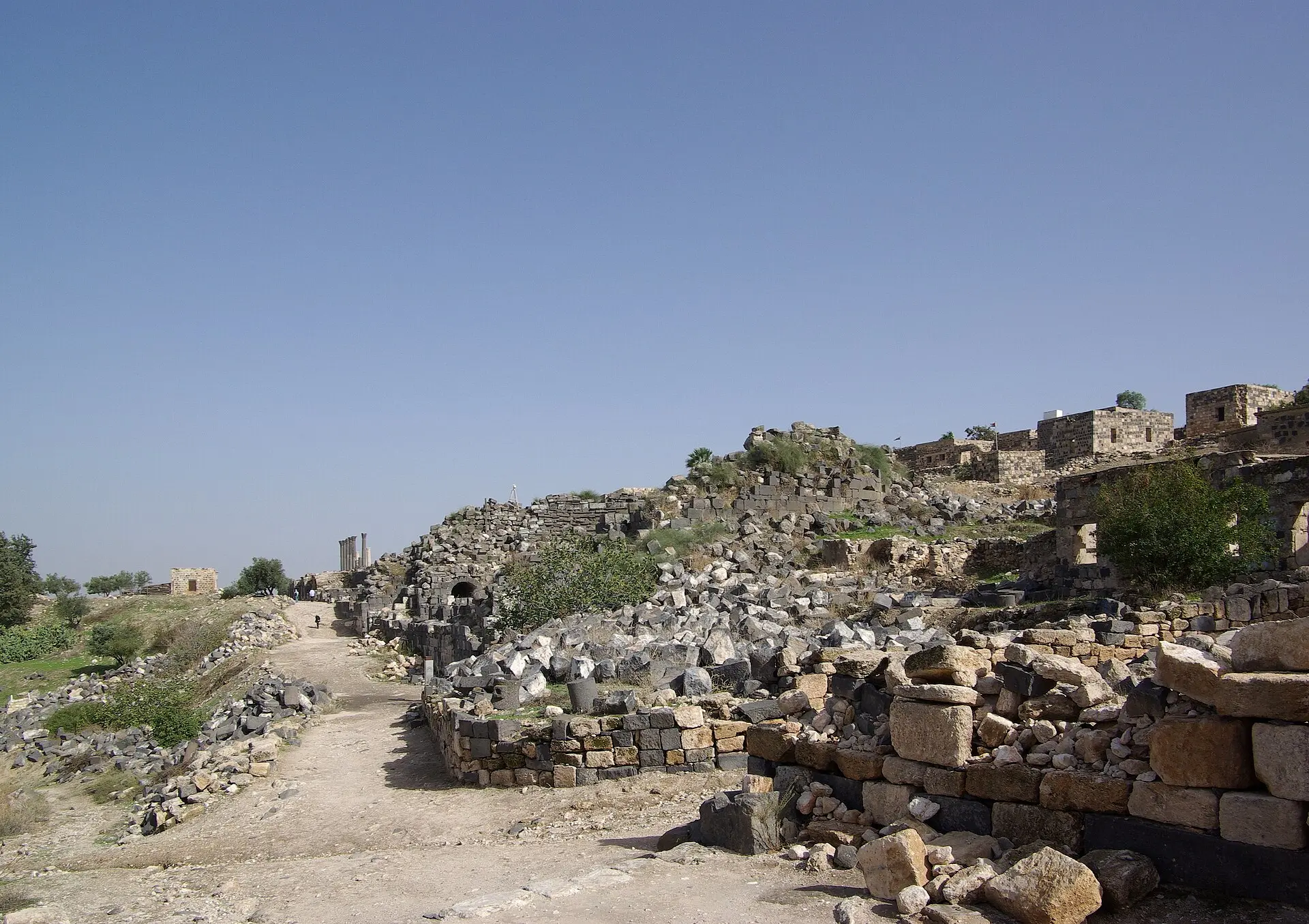
From June to September Jordanian families come to the Ajloun forests for picnics and cooler air. Weekdays are calmer. Umm Qais is breezy on its ridge, but its ruins have little shade — visit in the late afternoon for the best light over the Sea of Galilee.
Visibility
The views from Umm Qais and Ajloun Castle are clearest after winter rain and in crisp autumn weather; summer haze can hide the far side of the Jordan Valley.
Month by month
| Month | Ajloun day max | Notes |
|---|---|---|
| Jan | ≈ 10–12 °C | Wettest month; fog, occasional snow |
| Feb | ≈ 12 °C | Cold; Ramadan expected from about 8 Feb 2027 |
| Mar | ≈ 16 °C | Hills turn green; first wildflowers |
| Apr | ≈ 21 °C | Peak wildflowers; best walking |
| May | ≈ 25 °C | Warm; Eid al-Adha around 16–17 May 2027 |
| Jun | ≈ 28 °C | Picnic season begins |
| Jul | ≈ 30 °C | Cooler than Amman's valleys; busy weekends |
| Aug | ≈ 30 °C | Hazy views; go early |
| Sep | ≈ 28 °C | Dry and warm |
| Oct | ≈ 24 °C | Olive harvest begins; clear air |
| Nov | ≈ 17 °C | Harvest and first rains |
| Dec | ≈ 12 °C | Cold, damp, atmospheric |
Ramadan and holidays
Ramadan 2027 is expected to begin around 8 February and end with Eid al-Fitr around 9–10 March, with Eid al-Adha expected around 16–17 May 2027 (moon-sighting dependent). Sites stay open; rural restaurants may open only for iftar at sunset. During Eid and on Fridays, the forests around Ajloun and Dibeen fill with families grilling and picnicking — lively and friendly, but the roads are busy and the castle crowded. Weekday mornings are the quietest time.
Weather hazards
In winter, fog can reduce visibility on the mountain roads, and snow occasionally closes them for a day or two. From November to March, heavy rain can cause flash floods in valleys; the UK FCDO advises checking the forecast and avoiding wadis for at least a day after heavy rain. In summer, forest fires are a risk — never light fires outside designated areas.
Spring wildflowers: what to look for
From late February to April the northern hills are the best place in Jordan for wildflowers. Look for red anemones and poppies in the olive groves, cyclamen under the oaks, wild orchids on shady banks and, with luck, the black iris (Iris nigricans), Jordan's national flower, which grows in a few areas of the plateau. Flowers depend on winter rain, so a wet winter brings the best displays. Please do not pick them — many are protected.
Frequently asked questions
Is the north cooler than Amman in summer?
Slightly, especially in the forest around Ajloun, which is why it is a popular summer escape for Jordanians.
When is the best time to visit Ajloun?
April for wildflowers and green hills, October and November for the olive harvest and clear views. Summer is pleasant compared with the lowlands but busy with picnickers at weekends.
Does it snow in Ajloun?
Occasionally in January and February. The forests look magical, but roads can close for a day; check conditions before driving.
Is Umm Qais good in summer?
It is breezy on the ridge, but the ruins have little shade — visit in the morning or late afternoon, when the view over the valley is also at its best.
When is the olive harvest in northern Jordan?
Usually from October into November or December, depending on the season. Presses in the villages run day and night, and you can often buy fresh oil.
Sources and official information
Facts were checked against these official sources in November 2026. Opening hours, prices and timetables change, so confirm before you go.
JordanTravel.com is an independent guide, not the official site of the Jordan Tourism Board, the Government of Jordan or any operator. Some links are affiliate links: tours go to GetYourGuide and hotels go to Booking.com, and we may earn a commission at no extra cost to you.