In short
- Castle (1 h) + forest walk (2–3 h) + Umm Qais (2 h) = a full day.
- Spring is the most beautiful season.
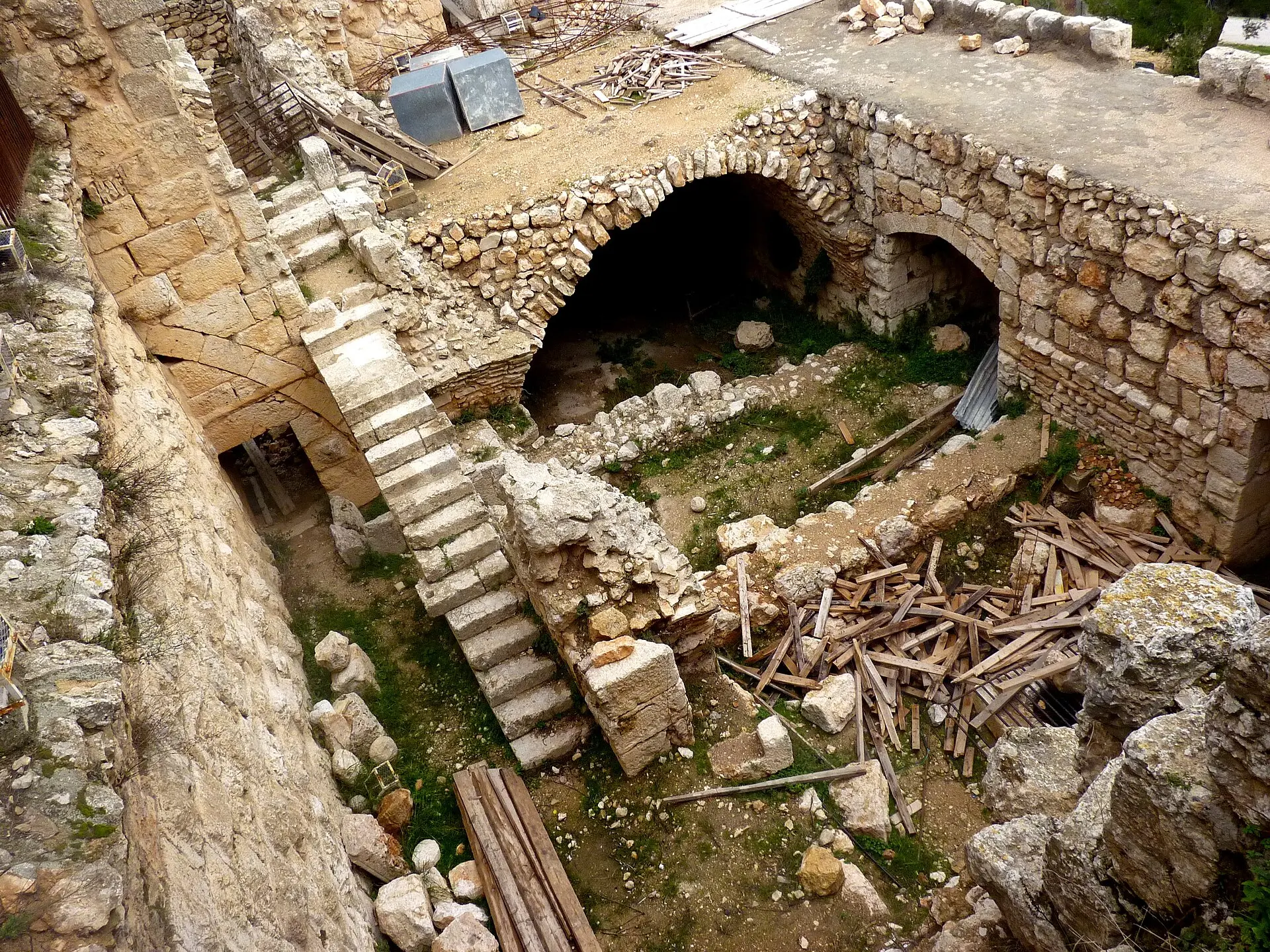
Ajloun Castle
Towers, vaulted halls, a moat cut from the rock and a small exhibition. Go early or late in the day for soft light over the valley.
Book tours in Ajloun & Umm QaisLive times, prices and free cancellation terms on GetYourGuide.
Check availabilityForest trails
RSCN trails in the Ajloun Forest Reserve include short loops near the lodge and longer guided walks to villages; book guided trails in advance through RSCN.
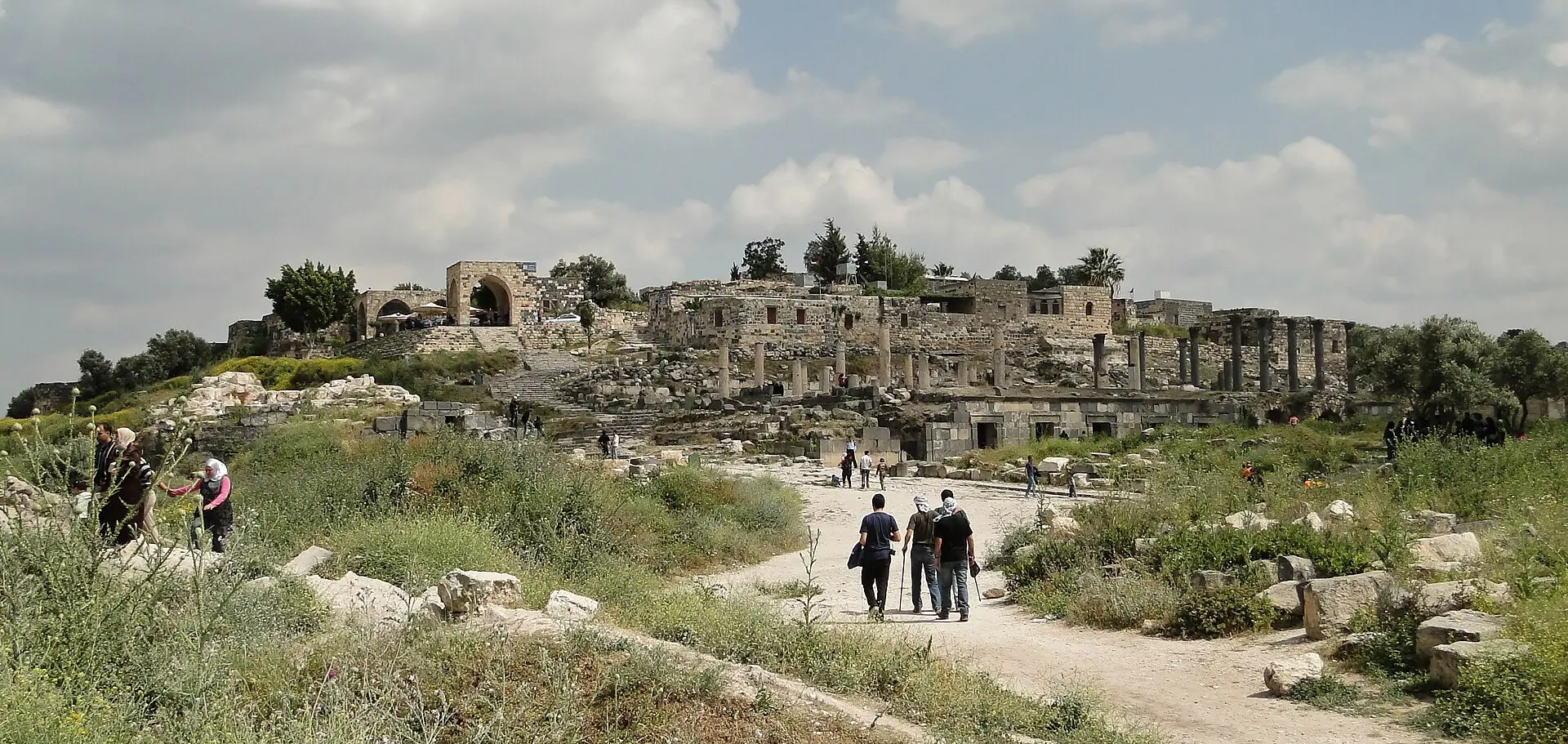
Umm Qais (Gadara)
West Theatre, colonnaded street, basilica terrace, the Ottoman village and museum, and the viewpoint over Lake Tiberias. Allow 1.5–2 hours.
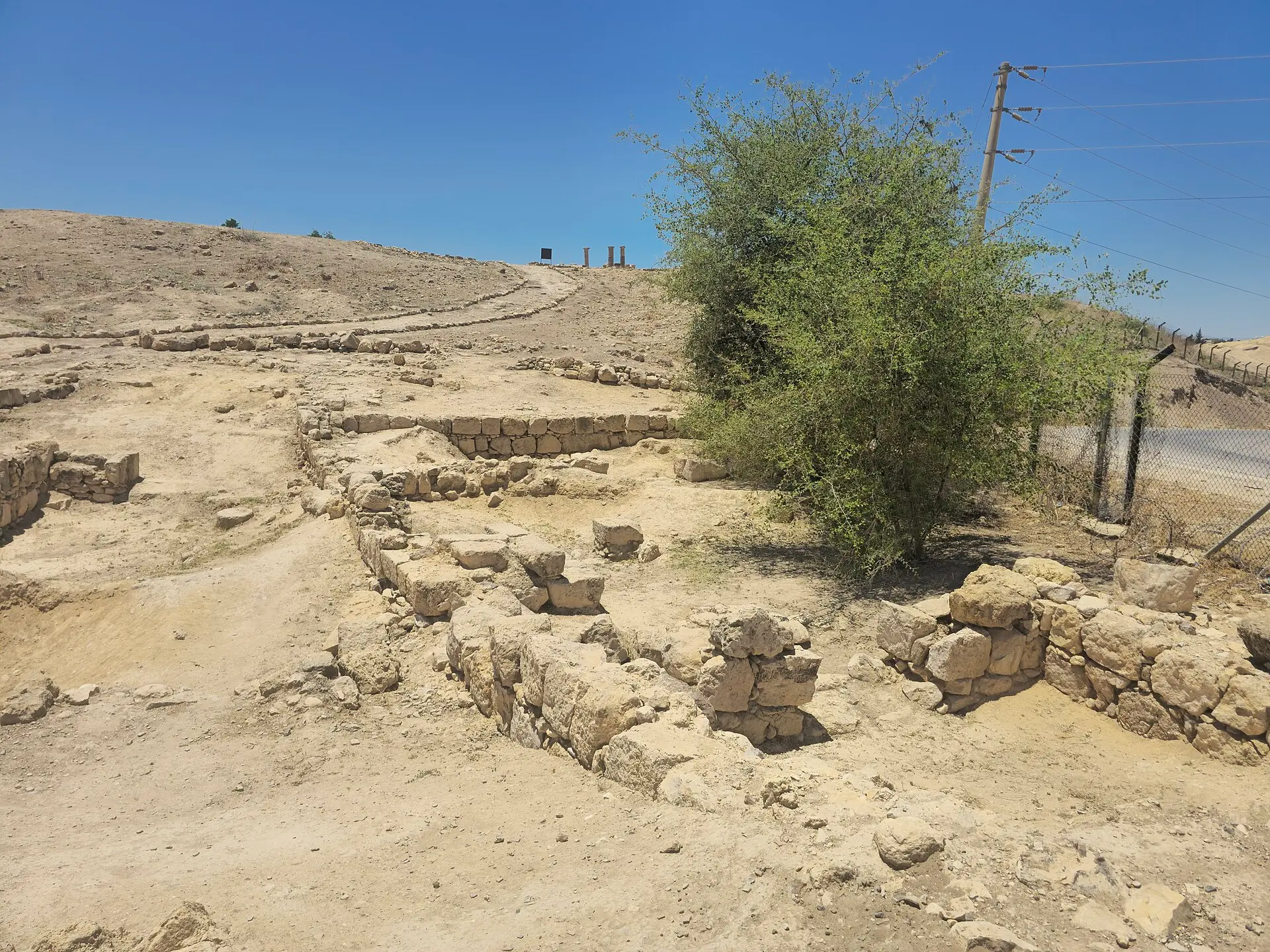
Pella (Tabaqat Fahl)
Ruins of a Decapolis city spread over a valley with a spring; about 1 hour.
Jordan Trail day hikes
Sections 101–104 of the Jordan Trail cross this region from Umm Qais to Ajloun through olive groves and oak forest.
Village experiences
Around the Ajloun Forest Reserve, RSCN and local cooperatives run small community projects: a soap workshop using olive oil, a biscuit house, calligraphy and a farm visit. They make good stops on forest walks and keep tourism money in the villages.
Mar Elias (Tell Mar Elias)
Near Ajloun, the hilltop ruins of a large Byzantine church are associated with the prophet Elijah, believed to have come from nearby Listib (Tishbe). It is a Christian pilgrimage site with mosaic fragments and views over the hills.
A day in the north
| Time | Plan |
|---|---|
| 8 AM | Leave Amman; Jerash at opening time |
| 11:30 AM | Ajloun Castle |
| 1 PM | Lunch in Ajloun or a forest walk |
| 3 PM | Umm Qais: ruins and view over the Sea of Galilee |
| 6 PM | Back in Amman (≈ 2 h drive) |
Where to eat
The Umm Qais rest house serves lunch on a terrace overlooking the Sea of Galilee; roadside restaurants around Ajloun grill meat and serve fresh bread, salads and local olive oil. In season, stop at farm stalls for figs, grapes and pomegranates.
Ajloun Forest Reserve in practice
Established by RSCN in 1987, the reserve covers about 12 km² of rolling hills between roughly 600 and 1,100 m. Woodland of evergreen oak, wild pistachio, carob and strawberry tree shelters roe deer (reintroduced), wild boar, foxes and many birds. Short self-guided trails start near the visitor centre; longer routes, such as the walks to the nearby village workshops or towards Ajloun Castle, are guided and should be booked through RSCN in advance. As of November 2026 the Jordan Tourism Board lists the entry for foreign visitors at JD 8 plus 16% tax.
- Run by
- Royal Society for the Conservation of Nature (RSCN)
- Size
- About 12 km², 600–1,100 m above sea level
- Entry
- JD 8 + 16% tax for foreign visitors
- Best seasons
- March–May and October–November
Umm Qais: what to look for
- West Theatre: built of black basalt, with seats facing the valley.
- Basilica terrace: an octagonal church on a platform with basalt columns.
- Decumanus: the main street, still paved with original stones.
- Ottoman village: restored stone houses, including Beit Rousan, now the museum.
- Viewpoint: across the Yarmouk gorge to the Golan Heights and, on clear days, the Sea of Galilee.
Remember the border note above: stay on the main archaeological site and the village, and do not wander towards the Yarmouk valley.
A two-day northern loop
- Day 1: Amman → Jerash at opening time → Ajloun Castle in the afternoon → night in a farm stay or RSCN cabin.
- Day 2: a morning walk in the forest reserve → Umm Qais for lunch with a view → Pella on the way down to the Jordan Valley → back to Amman or on to the Dead Sea.
Frequently asked questions
Can you see the Sea of Galilee from Umm Qais?
Yes, on clear days, along with the Golan Heights across the Yarmouk valley.
How long do I need at Ajloun Castle?
About an hour for the towers, halls and views; add time for the small museum and a coffee at the cafés below the castle.
Is Pella worth a stop?
For history lovers, yes: it has remains spanning thousands of years in a green valley, and it is quiet. Allow about an hour.
What can I buy in the Ajloun villages?
Olive-oil soap, local honey, olive oil from the autumn harvest, dried herbs and biscuits from the community workshops near the forest reserve.
Sources and official information
Facts were checked against these official sources in November 2026. Opening hours, prices and timetables change, so confirm before you go.
JordanTravel.com is an independent guide, not the official site of the Jordan Tourism Board, the Government of Jordan or any operator. Some links are affiliate links: tours go to GetYourGuide and hotels go to Booking.com, and we may earn a commission at no extra cost to you.